Film & Movie Production Transportation in New York
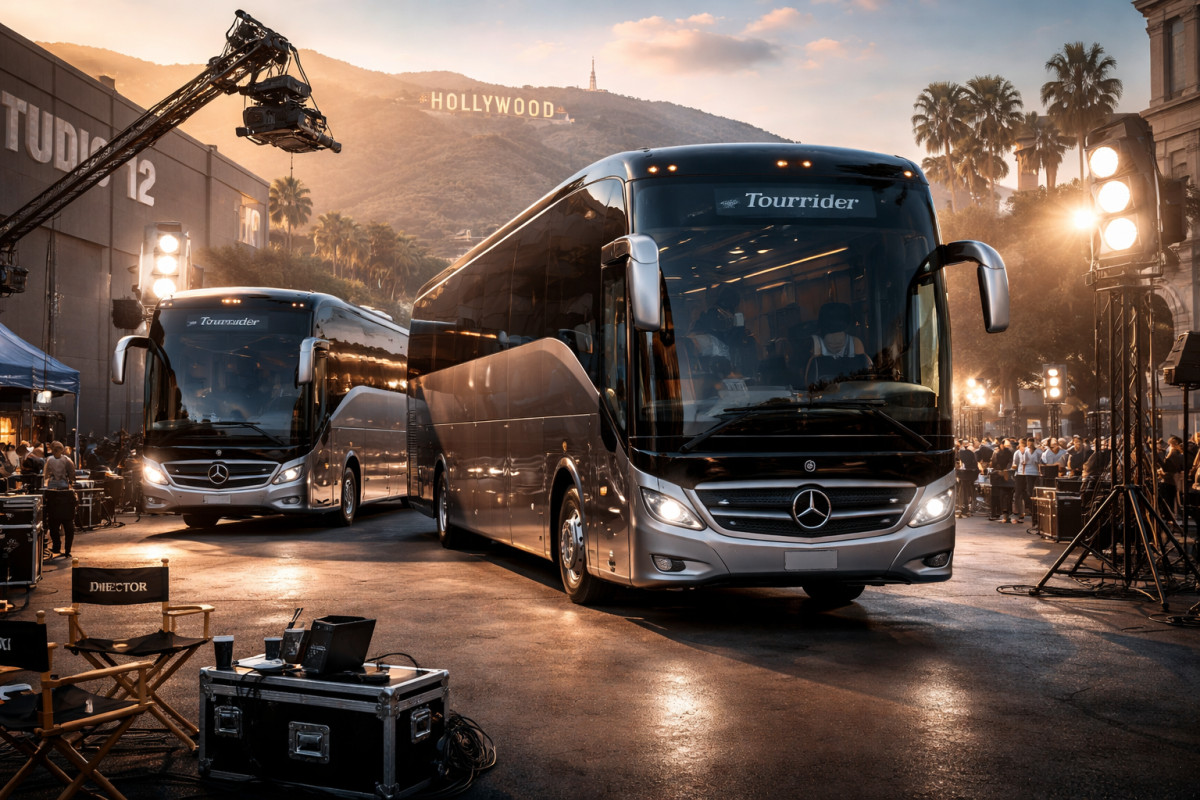
New York has always been more than a backdrop. It is a living organism of streets, bridges, studios, warehouses, and neighborhoods that constantly transform into cinematic worlds. From early morning call times to late-night wraps, every production in the New York region depends on movement. Actors, directors, camera crews, lighting teams, and production assistants all need to arrive on time, focused and ready. This is where professional film and movie production transportation becomes not just a service, but an invisible part of the creative process.
Comfortable, reliable, and well-organized bus rental in NYC solutions allow productions to stay on schedule, protect budgets, and maintain morale. In a city where minutes matter and traffic can change everything, the right charter bus can quietly hold the entire day together.
When transportation works flawlessly, creativity flows without interruption.
Why Transportation Is Critical for Film Productions
Behind every successful scene is logistics that no one sees on screen. Film crews often move between multiple locations in one day, sometimes crossing boroughs or heading outside the city limits. Coordinated transportation in the New York region reduces stress, eliminates confusion, and keeps the production running smoothly.
Key reasons transportation matters
-
Tight shooting schedules with limited permits
-
Large crews that must arrive together
-
Sensitive equipment requiring stable conditions
-
Long shooting days that demand comfort and rest
Without a dedicated charter bus solution, productions risk delays, fatigue, and unnecessary expenses that quickly add up.
Popular Bus Types




Mercedes-Benz Tourrider as a Production Standard
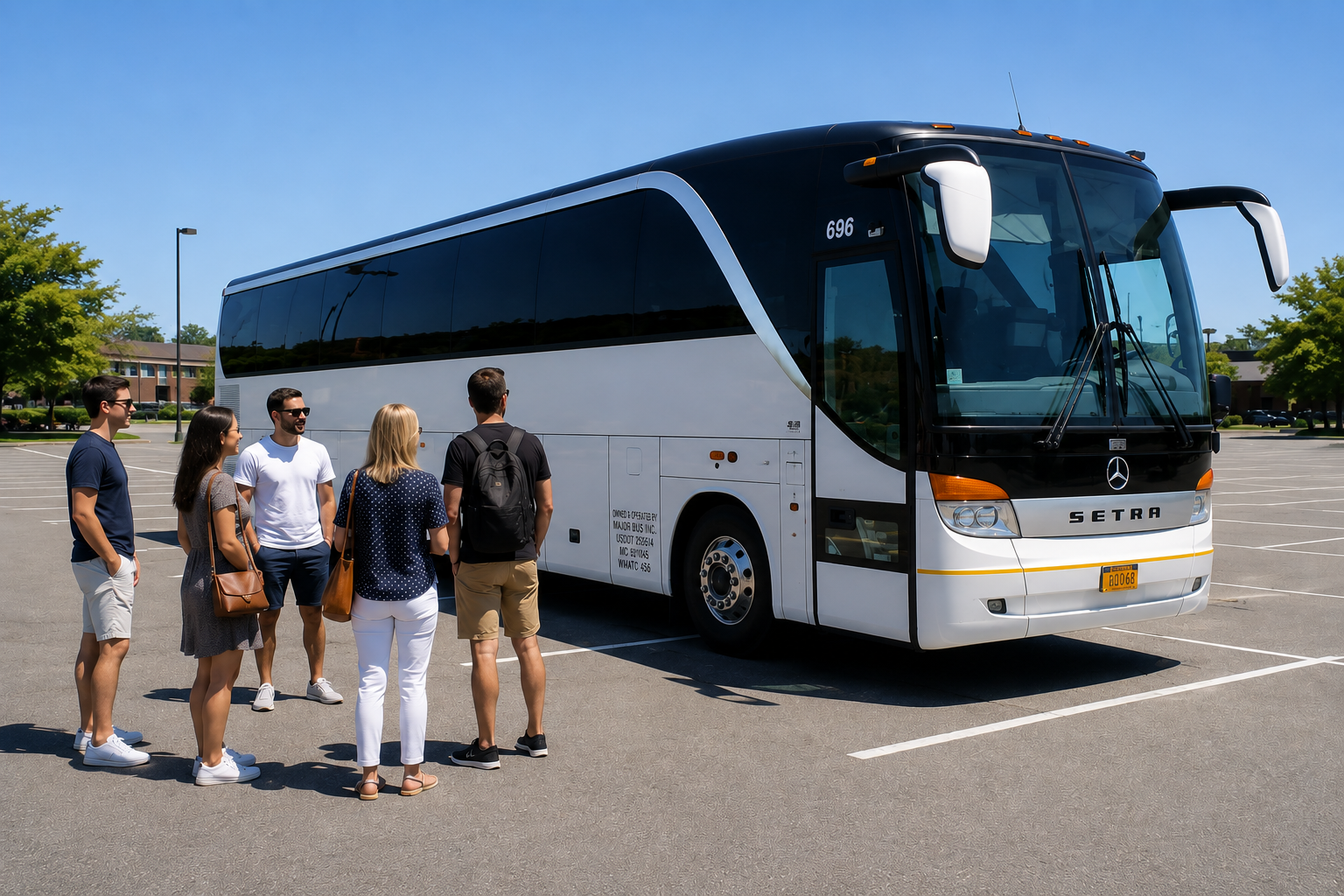
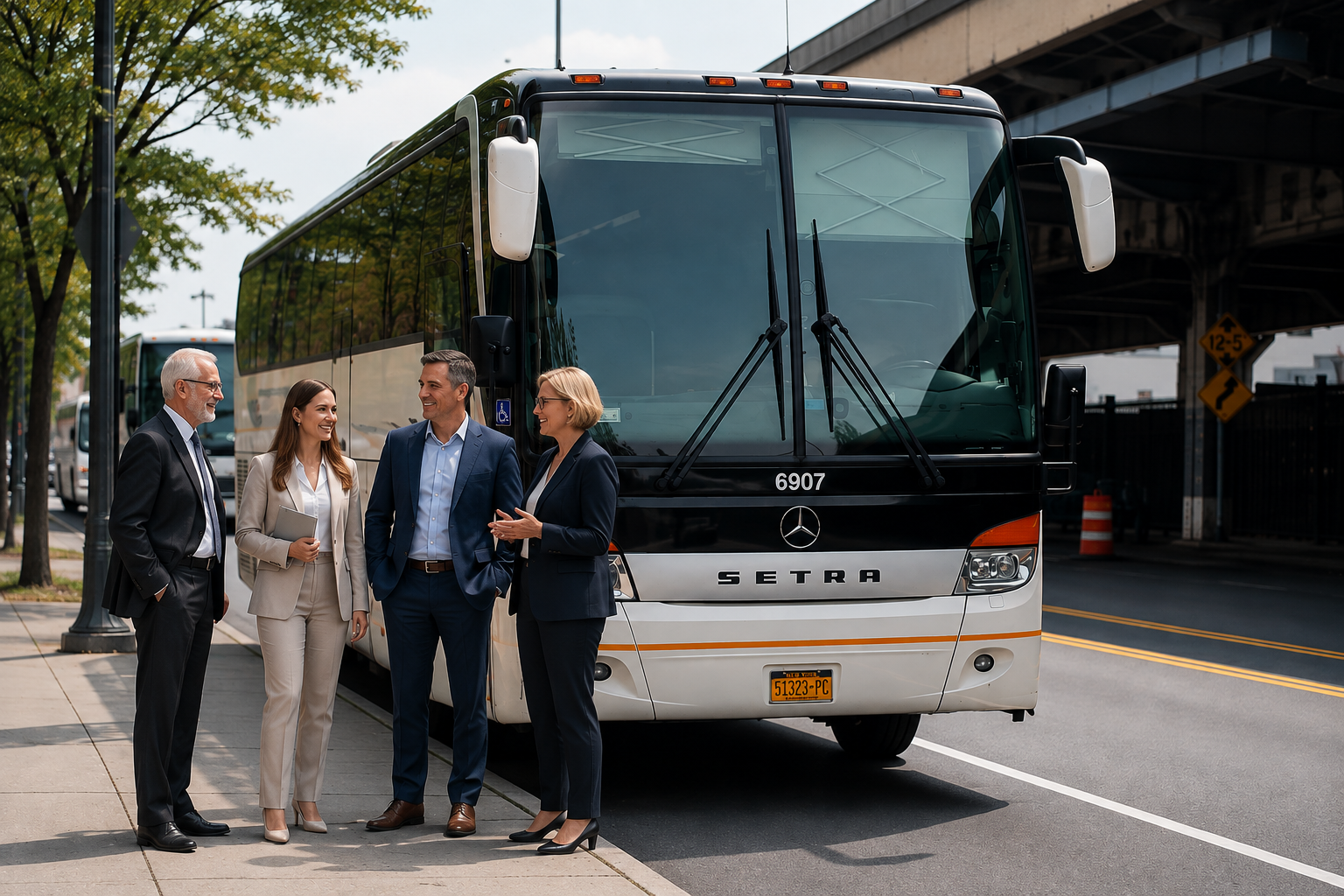
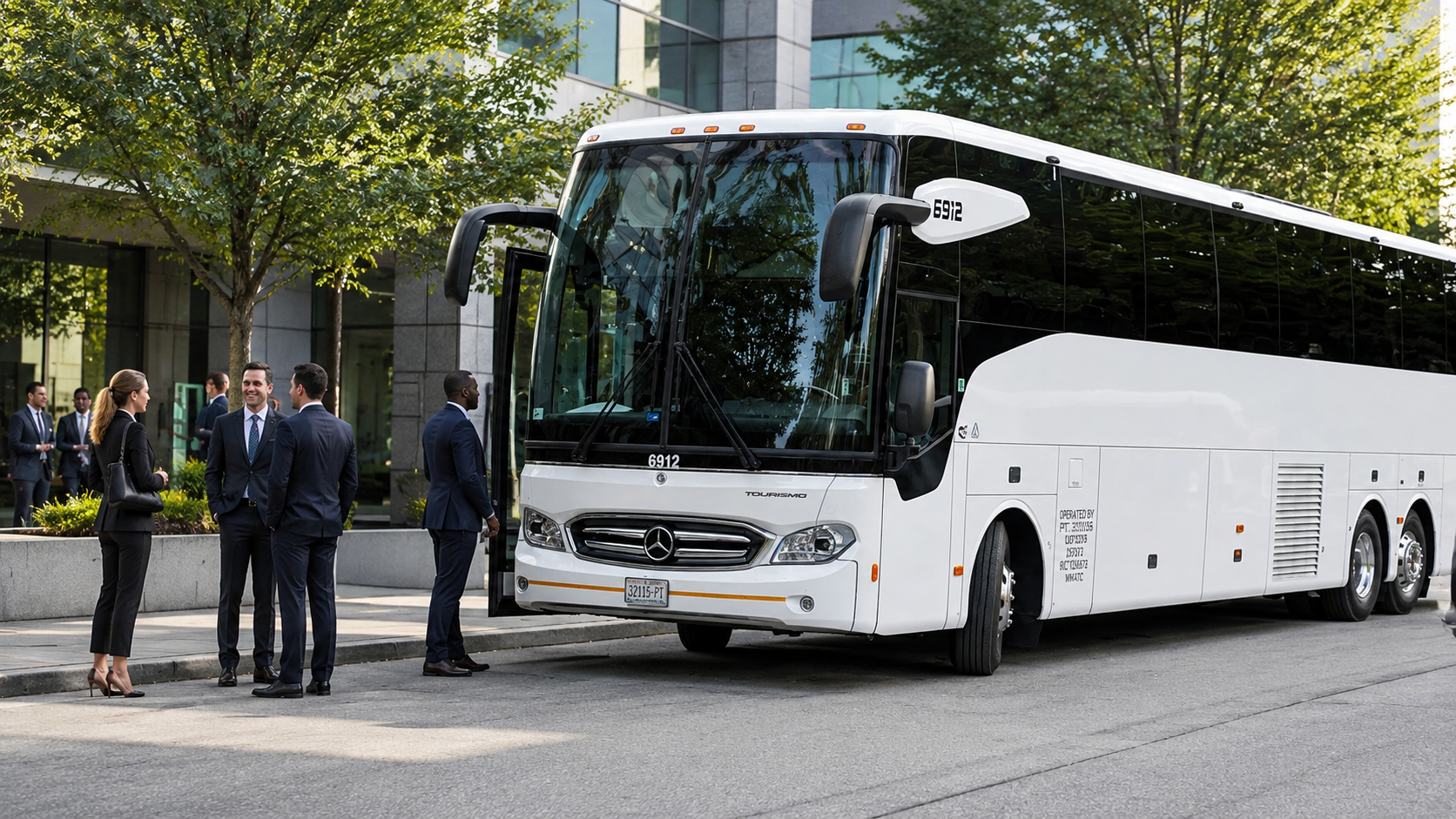
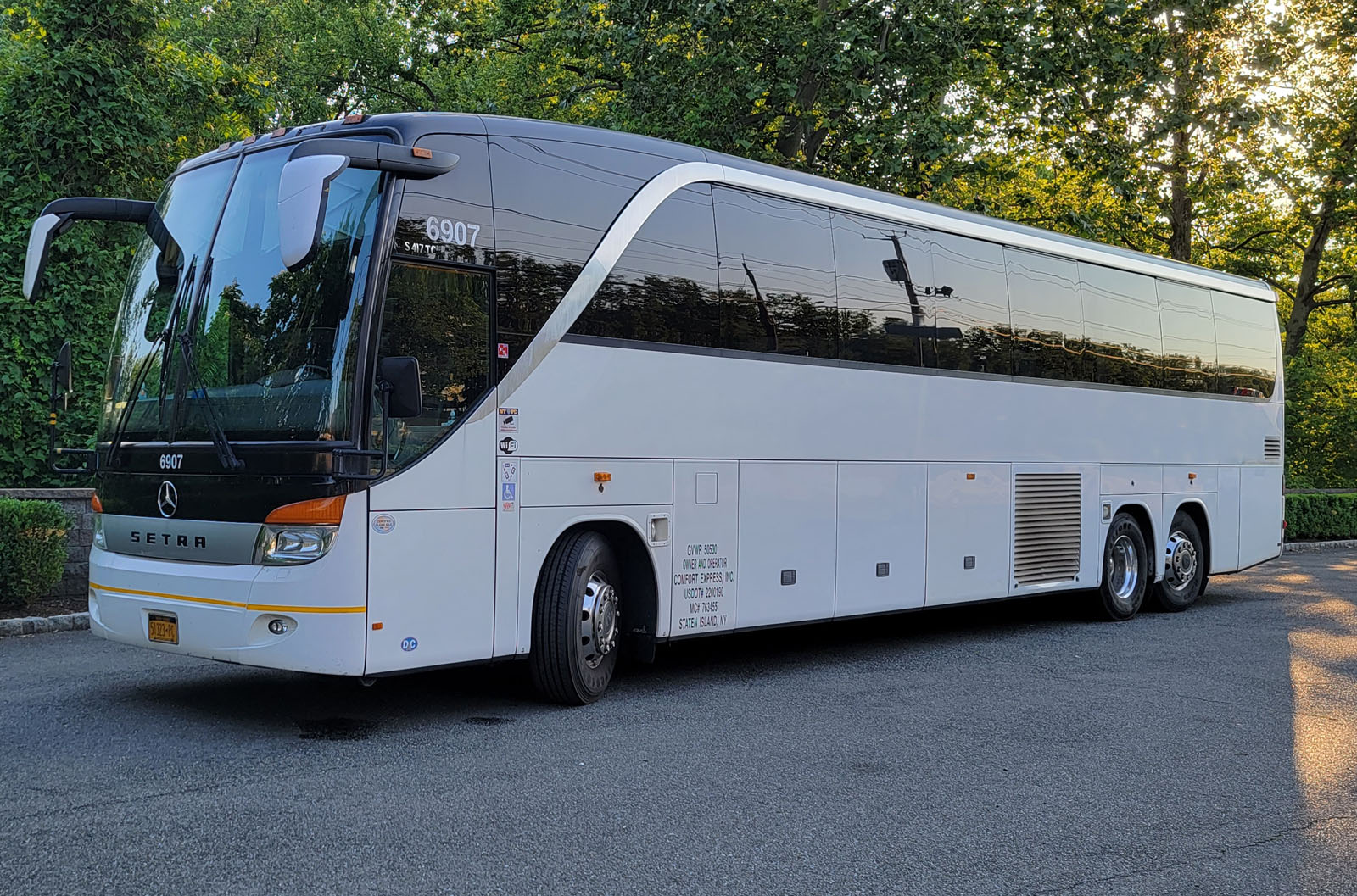
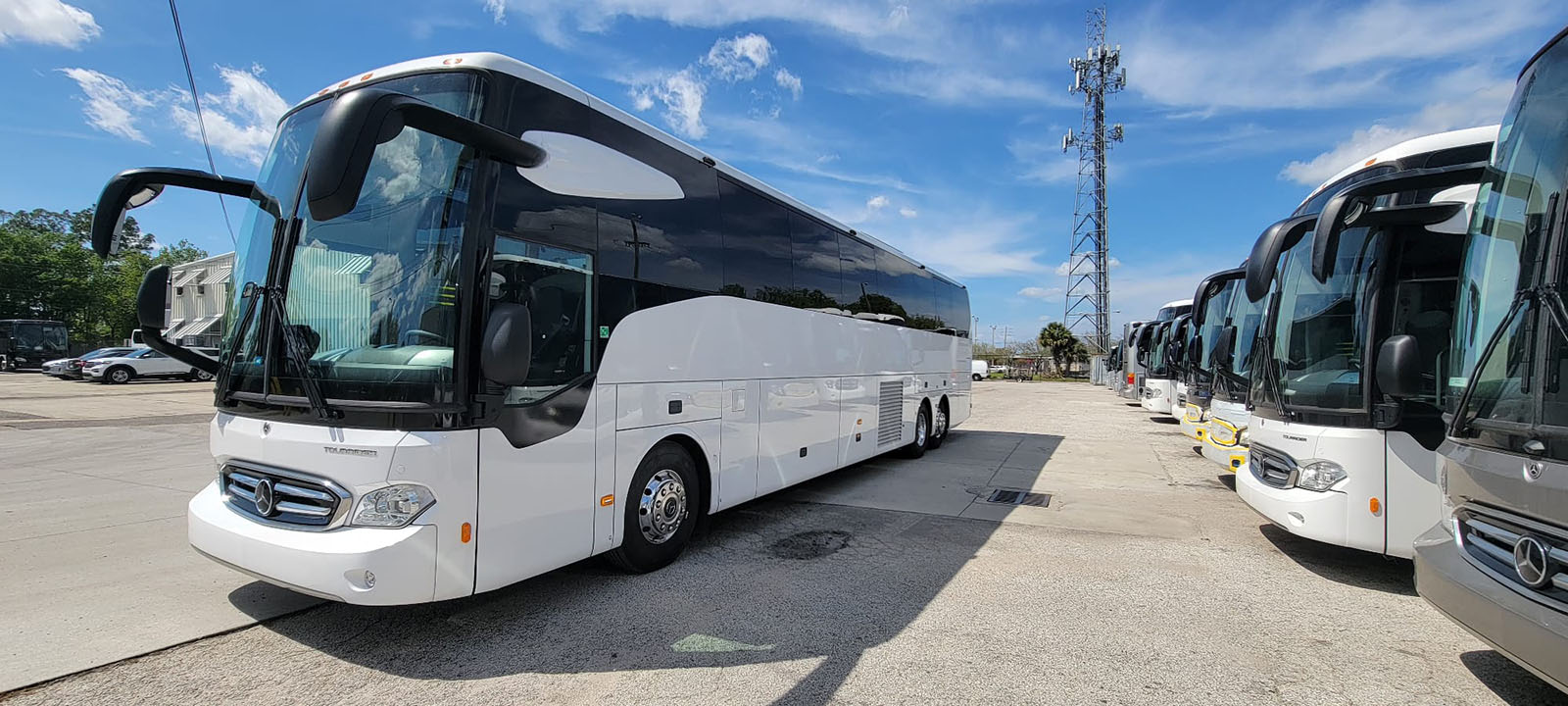
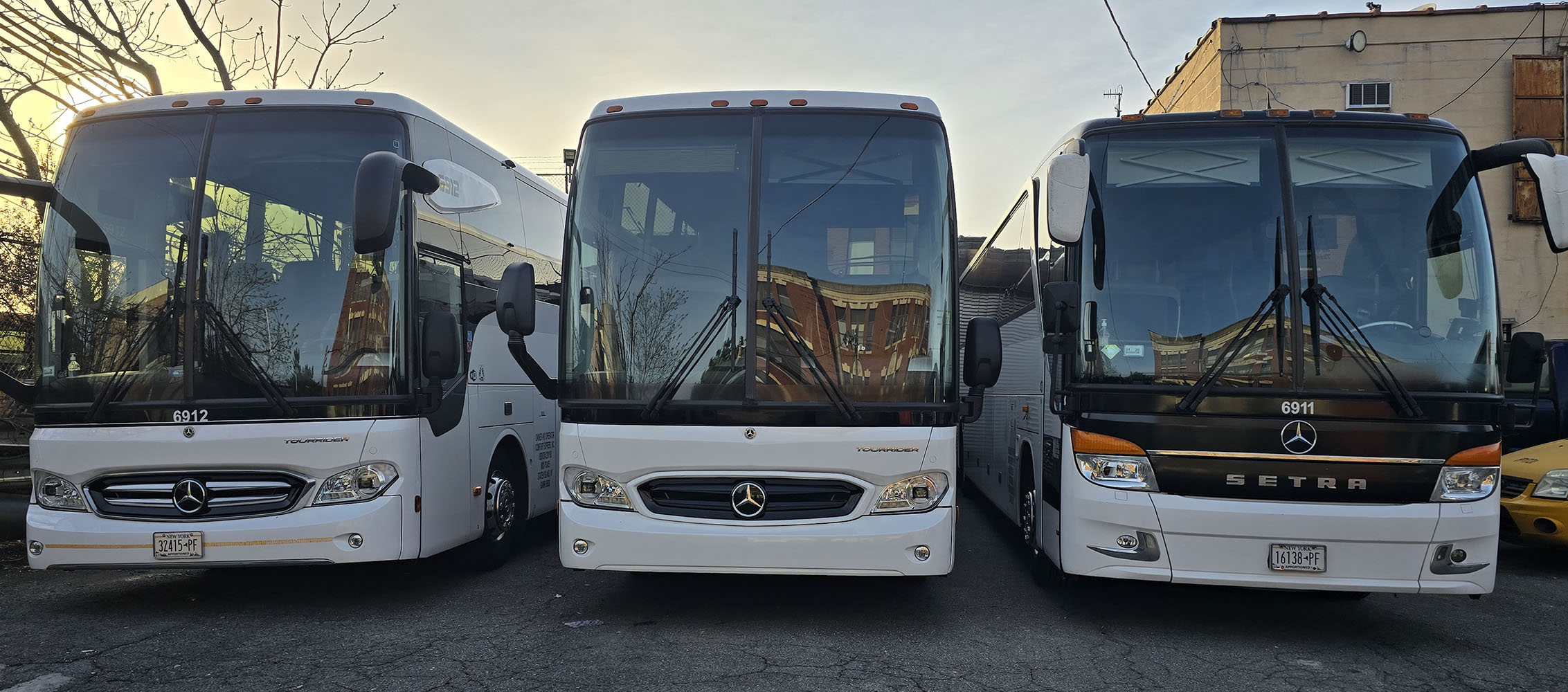
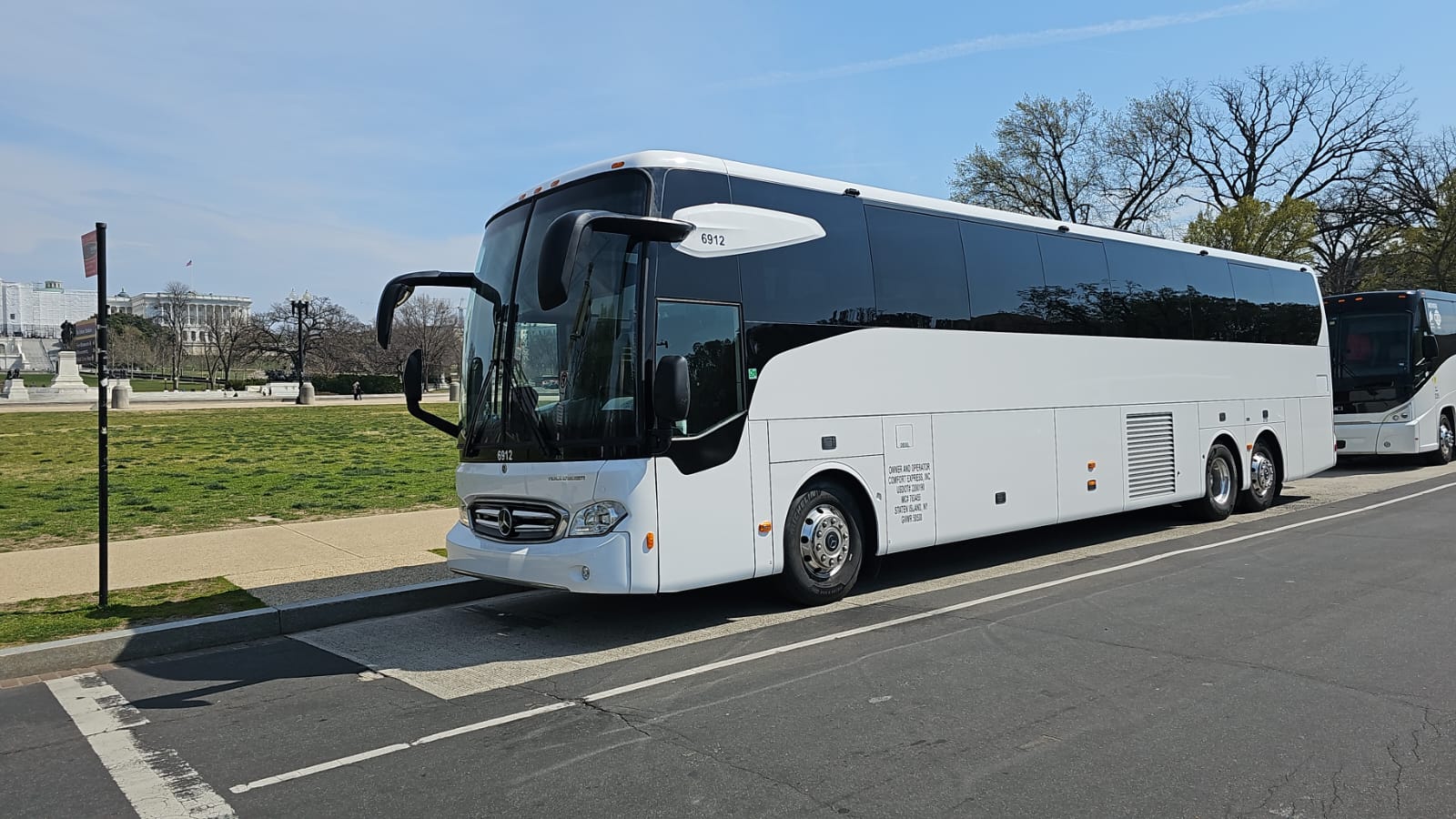
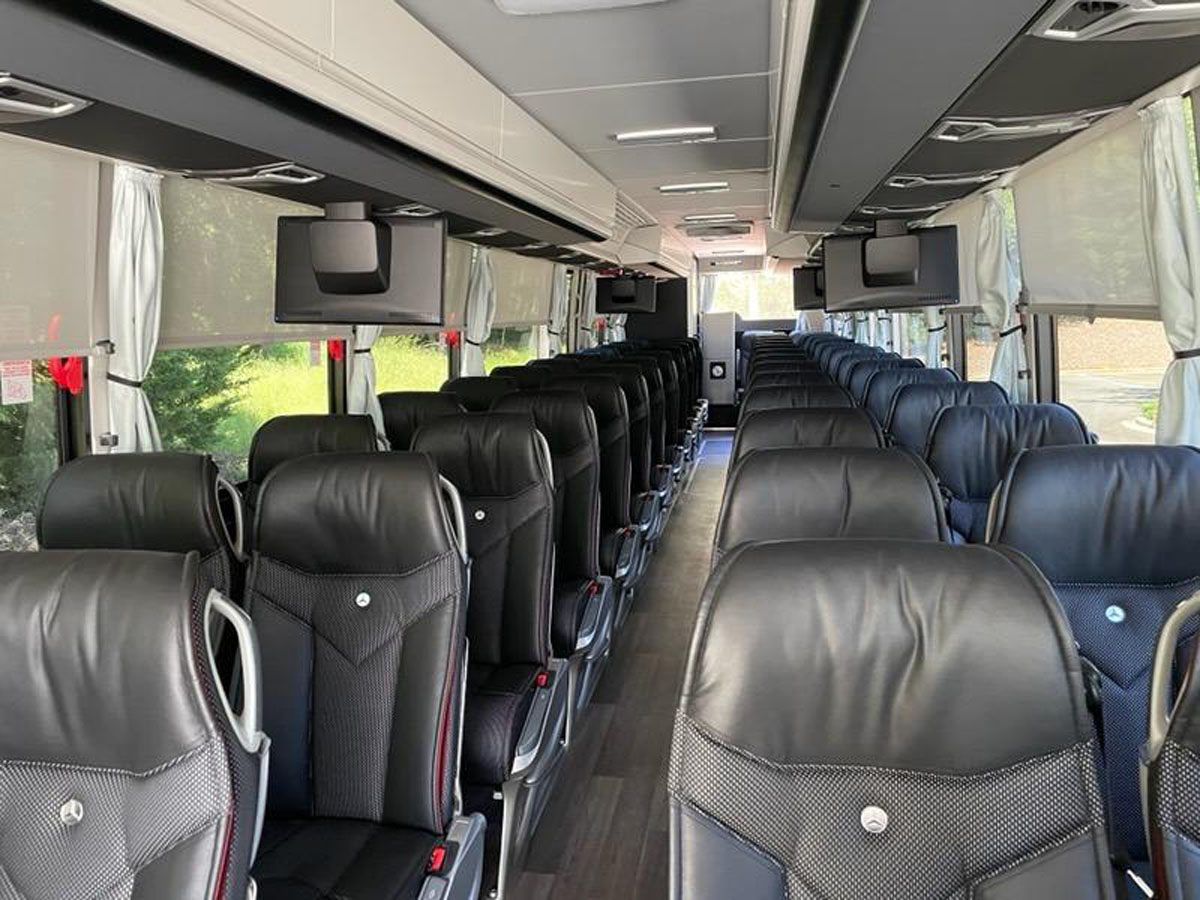
The Mercedes-Benz Tourrider has become a preferred choice for film and movie production transportation. Designed for long-distance comfort and premium travel, it fits perfectly into the demanding rhythm of New York shoots.
These buses are not simply vehicles. They are mobile rest zones, briefing rooms, and quiet spaces between scenes. With thoughtful engineering and luxury-level interiors, they support both efficiency and well-being throughout the day.
Interior Comfort for Long Shooting Days
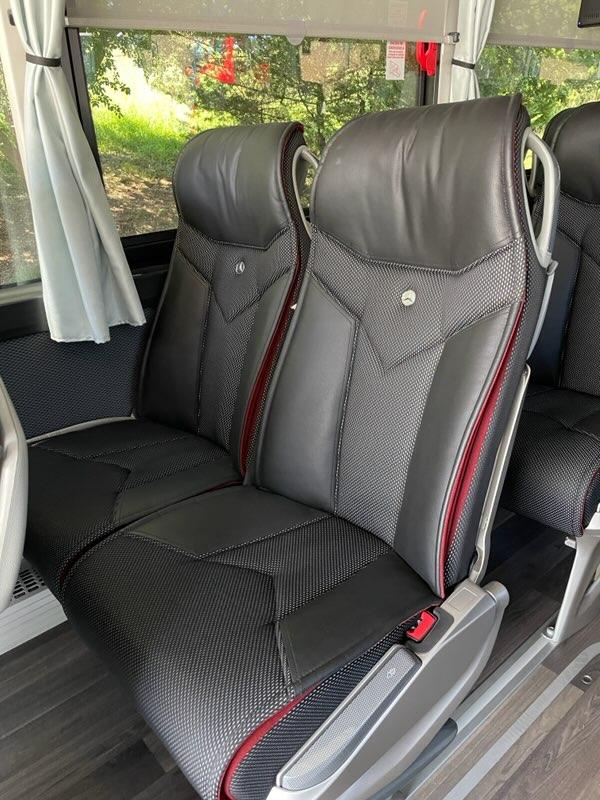
Inside the Mercedes-Benz Tourrider, every detail is built to reduce fatigue and increase focus. After hours on set, the ride back to the next location becomes a moment of recovery rather than exhaustion.
Comfort features include
-
Spacious reclining seats with ample legroom
-
Climate control suitable for all seasons
-
Onboard restroom for uninterrupted travel
-
Smooth suspension ideal for city streets and highways
This level of comfort makes bus rental not just practical, but essential for professional productions.
Connectivity and Entertainment Onboard
Modern productions rely on constant communication. Scripts change, schedules update, and creative discussions continue between locations. A charter bus equipped with WiFi and onboard screens becomes an extension of the production office.
Onboard amenities support the workflow
-
High-speed WiFi for emails and cloud access
-
Television screens for reviewing footage or schedules
-
Power outlets for phones, tablets, and laptops
-
Quiet zones for rest or focused conversation
A moving bus can still be a productive space when designed for modern production needs.
Photo Gallery


Serving the Entire New York Region
Film production in the New York region is not limited to Manhattan. Shoots often take place in Brooklyn, Queens, the Bronx, Staten Island, Long Island, and nearby areas of New Jersey or upstate New York. Reliable transportation connects these locations seamlessly.
A professional bus rental service understands regional challenges
-
Dense urban traffic and narrow streets
-
Permit restrictions and loading zones
-
Early morning and overnight schedules
-
Coordination with location managers
With experienced drivers and route planning, a charter bus becomes a dependable partner rather than a variable risk.
Typical bus rental prices:
| Bus Type | Per Hour | Per Day |
|---|---|---|
| 56-Passenger | $165 – $200 | $1,450 – $1,950 |
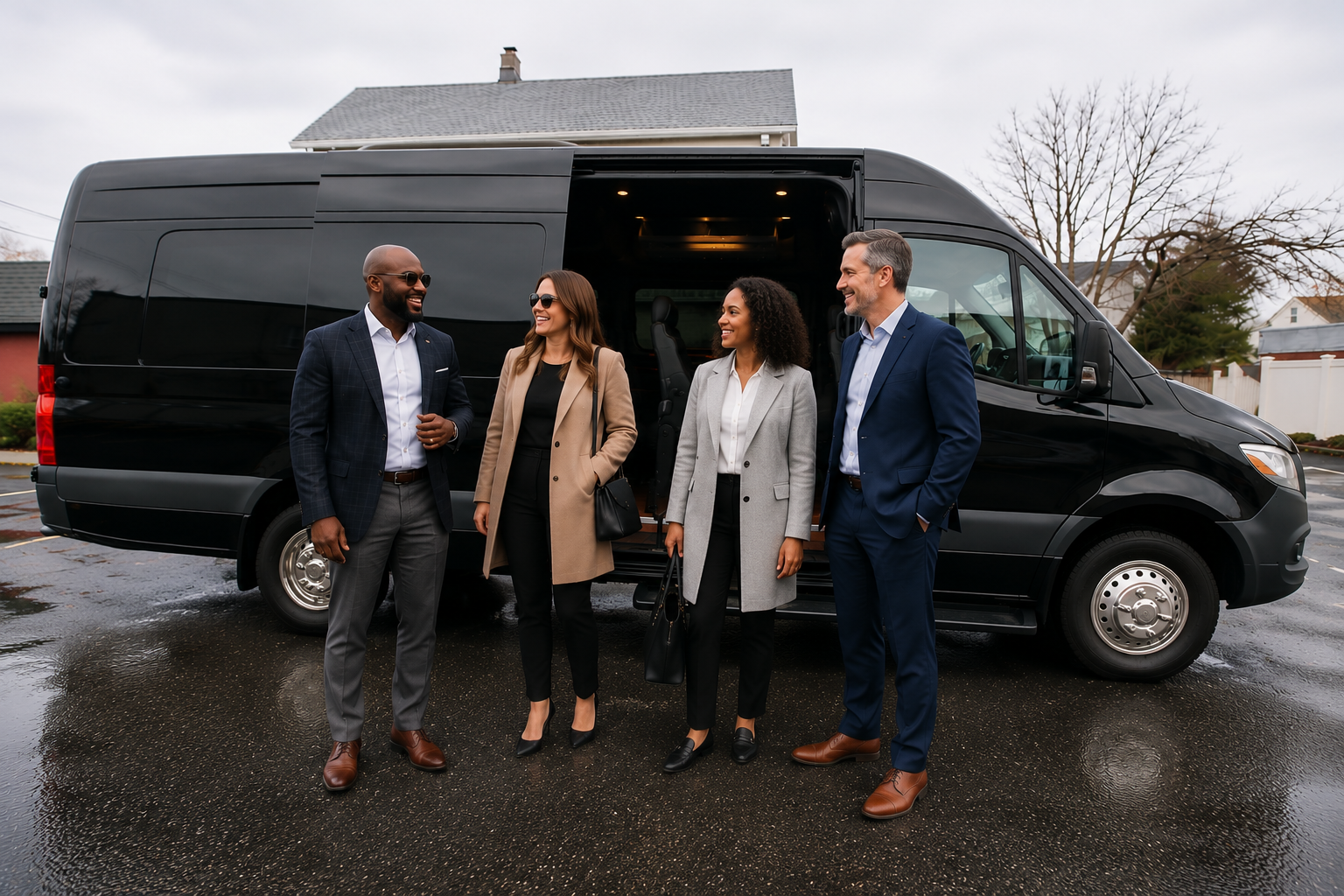
| Luxury Van | $100 – $125 min 6 hours | $1,100 – $1,250 10 hours |
Supporting Different Production Roles
Each department on a film set has unique needs. Transportation must adapt to these differences while keeping everyone aligned.
Common use cases include
-
Transporting cast members in comfort and privacy
-
Moving large crew groups efficiently
-
Shuttling production staff between base camp and set
-
Providing rest space during long standby periods
The Mercedes-Benz Tourrider balances professionalism and discretion, making it suitable for both high-profile talent and hardworking crew members.
When crews travel together in comfort, the entire production feels more unified.
Efficiency Without Compromising Style
Film productions are detail-driven. From costume design to camera angles, every choice reflects intention. Transportation should match this mindset. A premium charter bus aligns with the professional image of a serious production while delivering real operational benefits.
Advantages of organized bus rental
-
Reduced reliance on multiple vans or rideshares
-
Predictable timing and centralized movement
-
Lower stress for coordinators and assistants
-
Improved crew satisfaction and focus
In a competitive production environment like New York, these advantages translate directly into smoother days and better results on screen.
A Quiet Force Behind the Camera
Film & Movie Production Transportation in New York is rarely noticed by the audience, yet it shapes the entire experience behind the scenes. Comfortable Mercedes-Benz Tourrider buses with restroom, WiFi, television, and full amenities become moving sanctuaries between intense creative moments.
By choosing a professional charter bus solution, productions invest not only in logistics, but in people. Energy is preserved, communication flows, and creativity remains at the center of the work. In the fast-paced New York region, that quiet reliability is often the difference between a stressful shoot and a successful one.
Frequently Asked Questions
What is Film & Movie Production Transportation in New York?
What about Picture Cars and specialized filming vehicles?
Are there 'green' transportation options available for productions in NYC?
How can productions ensure efficient transportation in NYC?
What is the role of a Transportation Coordinator?
What are the biggest challenges of managing transportation in NYC?
Do productions need special permits for transportation in NYC?
What types of vehicles are commonly used in NYC film transportation?
Why is specialized transportation crucial for productions in NYC?
What should a production look for in a transportation vendor in NYC?
Read Also

OUR FLEET
Our Buses
Explore our modern, comfortable and well-maintained charter bus fleet.