The Met Cloisters Museum New York
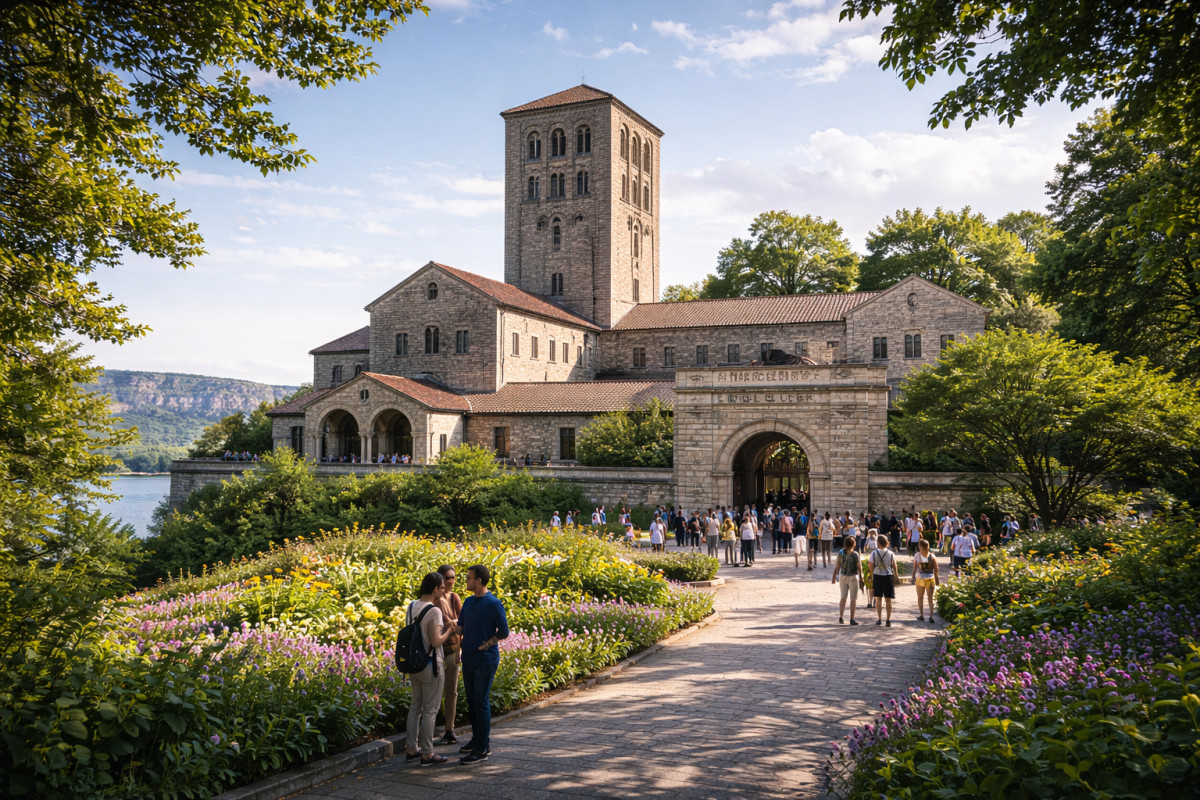
A journey into medieval art and architecture
Nestled atop a hill in Fort Tryon Park, The Met Cloisters Museum New York offers a profound escape into the artistry and spiritual ambiance of medieval Europe. Far from a typical urban museum, it stands as an architectural marvel in itself, meticulously assembled from authentic monastic cloisters, chapels, and other structures transported from France and Spain. This unique setting allows visitors to experience the art within an environment that closely echoes its original context, creating an immersive journey through a thousand years of history.
The museum's deliberate design prioritizes an intimate connection with its diverse collections, ranging from monumental sculpture to intricate illuminated manuscripts. Every gallery within The Met Cloisters Museum New York is a carefully curated space, designed not just to display artifacts, but to evoke the contemplative atmosphere of the Middle Ages. The natural light filtering through ancient windows, the serene courtyards, and the views overlooking the Hudson River all contribute to an experience that is both educational and deeply moving, distinguishing it as a premier destination for those seeking a tangible link to a bygone era.
The iconic Unicorn tapestries
Among the most celebrated treasures at The Met Cloisters Museum New York are the magnificent Unicorn Tapestries, a series of seven intricately woven masterpieces dating from the late 15th to early 16th century. These monumental works captivate with their vibrant colors, detailed flora and fauna, and rich symbolic narratives. Each tapestry depicts scenes from the hunt of the mythical unicorn, culminating in its capture and eventual presence in a magical garden.
Beyond their sheer beauty, the tapestries are a profound testament to medieval storytelling and artistry, intertwining themes of courtly love, spirituality, and the natural world. The exquisite detail in every blade of grass, every animal, and every human figure speaks volumes about the skill of the weavers and the cultural significance of the unicorn legend. Visitors often find themselves drawn into the intricate narratives, discovering new details with each viewing.
"To stand before the Unicorn Tapestries is to witness a woven narrative that transcends time, each thread imbued with centuries of myth and artistry, offering an unparalleled glimpse into medieval imagination."
The tapestries’ exceptional preservation allows for an appreciation of the sophisticated dyeing techniques and weaving methods employed during the period. Their vivid imagery and allegorical depth make them an enduring highlight of The Met Cloisters Museum New York, drawing admirers from around the globe to unravel their enduring mysteries.
Architectural marvels and sacred spaces
The very fabric of The Met Cloisters Museum New York is its most striking exhibit, built around five authentic medieval cloisters: Cuxa, Saint-Guilhem, Bonnefont, Trie, and the Fuentidueña Chapel Apse. Each cloister, with its unique architectural style and carved capitals, was meticulously dismantled from its original site in Europe and reassembled here, providing an unparalleled opportunity to walk through structures that once echoed with monastic life.
The Cuxa Cloister, dating from the 12th century, is particularly impressive with its grand scale and intricate Romanesque carvings, forming a serene garden courtyard at the heart of the museum. The delicate columns and arches of the Saint-Guilhem Cloister provide a striking contrast, while the more rustic Bonnefont Cloister offers another peaceful haven. The integration of these elements creates a seamless flow, inviting contemplation and quiet reflection.
"The very stones of The Met Cloisters Museum New York whisper tales of distant monasteries, meticulously re-erected to inspire contemporary contemplation and connect visitors to the spiritual essence of the Middle Ages."
The Fuentidueña Chapel Apse, a breathtaking 12th-century Spanish apse, stands as a crowning achievement, its monumental scale and Romanesque frescoes offering a powerful sense of sacred space. Its presence within The Met Cloisters Museum New York transports visitors directly into the solemn grandeur of a medieval church, showcasing monumental art in its intended architectural context. These reconstructed spaces are not mere backdrops but integral parts of the museum's profound experience.
Devotional masterpieces and exquisite craftsmanship
Beyond its architectural grandeur, The Met Cloisters Museum New York houses an extraordinary collection of medieval sculpture, liturgical objects, and decorative arts. Visitors encounter a wealth of devotional masterpieces, including exquisitely carved wooden figures, majestic altarpieces, and intricate metalwork. Pieces like the "Cross of The Cloisters," an elaborately carved ivory crucifix from 12th-century England, demonstrate the exceptional skill and profound piety of medieval artisans.
The collection also features a significant array of illuminated manuscripts, offering a glimpse into the painstaking artistry involved in creating sacred texts before the age of printing. These precious books, adorned with vibrant pigments and gold leaf, reveal stories and spiritual teachings through their intricate designs and calligraphy. Each leaf is a miniature work of art, telling tales of saints, biblical narratives, and aristocratic patrons.
"Within these hallowed halls, every carved figure and gilded manuscript leaf testifies to a profound devotion and unparalleled skill from a bygone era, illuminating the spiritual landscape of medieval Europe."
From monumental effigies to small, personal prayer books, the objects at The Met Cloisters Museum New York showcase the full spectrum of medieval craftsmanship. The attention to detail in items such as chalices, reliquaries, and processional crosses highlights the centrality of faith in daily life and the dedication of artists to their craft, ensuring that each piece not only served a function but also inspired awe.
Serene gardens of medieval enchantment
An indispensable part of the experience at The Met Cloisters Museum New York are its three exquisite gardens: the Cuxa Cloister Garden, the Bonnefont Cloister Garden, and the Trie Cloister Garden. These living exhibits are meticulously maintained to reflect authentic medieval plantings, based on historical sources, herbals, and monastic records. They offer a fragrant and vibrant counterpoint to the stone architecture and a deeper understanding of medieval life.
The Bonnefont Cloister Garden, for instance, is dedicated to plants used for culinary, medicinal, and magical purposes, carefully organized into beds according to their historical usage. It provides a fascinating insight into the practical knowledge and beliefs of the period. The Cuxa Cloister Garden, with its central fountain, offers a more formal, contemplative space, filled with plants known and admired in the High Middle Ages for their beauty and symbolism.
"The gardens at The Met Cloisters Museum New York are living manuscripts, meticulously cultivated to reflect the botanical knowledge and spiritual symbolism of the Middle Ages, offering a peaceful and aromatic journey through time."
The Trie Cloister Garden, located next to the Unicorn Tapestries, also features plants identified in the tapestries themselves, enhancing the narrative connection between the art and the natural world. These gardens are not merely decorative but serve as integral educational components, demonstrating the vital role plants played in medieval culture, religion, and daily existence. They offer a tranquil sanctuary within The Met Cloisters Museum New York, inviting visitors to pause and reflect amidst nature's beauty.
Stained glass narratives and ancient relics
The stained glass collection at The Met Cloisters Museum New York is another profound highlight, filling many of the museum's spaces with a kaleidoscopic glow. These vibrant windows, predominantly French and German from the 13th to 16th centuries, were originally designed to tell biblical stories and lives of saints to a largely illiterate populace. Their intricate designs and radiant colors transform light into narrative, creating an ethereal atmosphere.
Each pane of glass, carefully cut and leaded, depicts scenes with remarkable clarity and emotional depth, offering a window into the spiritual and artistic concerns of their time. The craftsmanship involved in creating these monumental works of art, capable of transforming harsh light into divine luminescence, is truly awe-inspiring. Visitors can trace narrative arcs through the windows, much as medieval worshippers would have done.
Beyond the grandeur of stained glass, the museum also houses an impressive array of smaller, yet deeply significant, relics and personal devotional items. These include intricately carved reliquaries, enamels, and jewelry, each object whispering stories of faith, pilgrimage, and veneration. Such artifacts provide a tangible connection to the spiritual practices and beliefs that permeated medieval society, offering a glimpse into the personal dimensions of faith. The sheer diversity of these collections ensures that every corner of The Met Cloisters Museum New York holds a unique discovery, constantly enriching the visitor's understanding of this fascinating period.
Planning your visit
Visiting The Met Cloisters Museum New York is an immersive experience that benefits from thoughtful planning. Given its serene location and extensive collections, allocating ample time is recommended to fully appreciate the architecture, art, and gardens. The museum offers a tranquil retreat from the city's hustle, making it an ideal destination for those seeking cultural enrichment and peaceful reflection.
Approximate admission prices
| Visitor category | Price (USD) |
|---|---|
| Adults | 30 |
| Seniors (65+) | 22 |
| Students | 17 |
| Children under 12 | Free |
| NY State Residents | Pay-what-you-wish |
| NJ and CT Residents | Pay-what-you-wish (with valid ID) |
Note: Prices are approximate and subject to change. The "pay-what-you-wish" policy for New York State, New Jersey, and Connecticut residents requires a valid ID. It covers admission to The Met Fifth Avenue, The Met Cloisters Museum New York, and The Met Breuer within the same three-day period.
Directions from midtown Manhattan
The Met Cloisters Museum New York is conveniently accessible from various points in Midtown Manhattan, offering several public transportation options for a scenic journey uptown to Fort Tryon Park.
By subway
- Take the A train (express) northbound to 190th Street (the second-to-last stop).
- Upon exiting the station, an elevator will take you up to Fort Washington Avenue.
- From there, turn right and walk north through Fort Tryon Park for approximately 10-15 minutes, following signs directly to The Met Cloisters Museum New York. Alternatively, you can take the M4 bus from directly outside the subway exit for a shorter ride to the museum entrance.
By bus
- The M4 bus provides a direct route from Midtown Manhattan to the entrance of The Met Cloisters Museum New York.
- You can catch the M4 bus along Madison Avenue (northbound) and it will take you straight into Fort Tryon Park, with a stop directly at the museum's entrance. This option offers a comfortable ride with direct access, passing through various neighborhoods on its way uptown.
By taxi or rideshare
For a more direct and comfortable option, taxis and rideshare services are readily available from Midtown Manhattan. The journey typically takes between 20 to 40 minutes, depending on traffic conditions. Simply provide the driver with the address of The Met Cloisters Museum New York (99 Margaret Corbin Drive, New York, NY 10040) for a straightforward trip.
Frequently Asked Questions
What is The Met Cloisters Museum?
Is there a gift shop or food options at The Met Cloisters?
Can I take photos inside The Met Cloisters?
Is The Met Cloisters accessible for visitors with disabilities?
Are there gardens at The Met Cloisters?
What are some highlights or must-see collections at The Met Cloisters?
What are the opening hours of The Met Cloisters?
What are the admission fees for The Met Cloisters?
How do I get to The Met Cloisters?
Where is The Met Cloisters located?
What is the history behind The Met Cloisters?
Read Also



OUR FLEET
Our Buses
Explore our modern, comfortable and well-maintained charter bus fleet.