National Museum of the American Indian New York
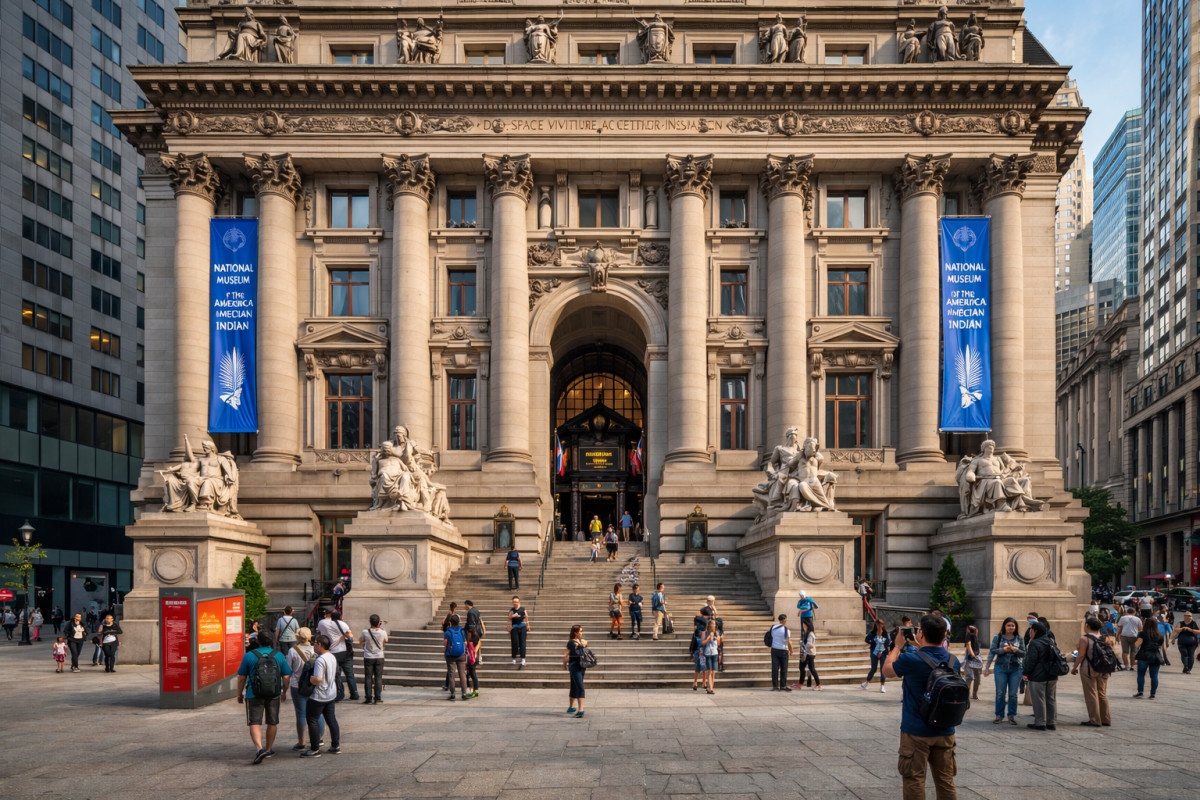
The National Museum of the American Indian New York stands as a vibrant testament to the enduring cultures, histories, and contemporary lives of Indigenous peoples across the Western Hemisphere. Unlike traditional museums that often present Native cultures as relics of the past, this institution champions a dynamic and self-determined narrative, offering visitors an immersive journey into living traditions and vital artistic expressions. It’s a space where Indigenous voices are amplified, challenges are addressed, and a profound respect for cultural diversity is fostered within the grandeur of the Alexander Hamilton U.S. Custom House. The experience here transcends mere observation; it invites contemplation and connection.
Unveiling rich indigenous narratives
Permanent exhibitions
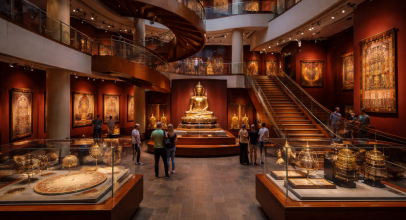
The heart of the National Museum of the American Indian New York's offering lies in its meticulously curated permanent exhibitions. "Infinity of Nations: Art and History in the Collections of the National Museum of the American Indian" is a cornerstone, presenting a breathtaking panorama of cultural material from across the Americas. Visitors encounter thousands of objects, from ancient artifacts to contemporary masterpieces, each telling a story of resilience, innovation, and spiritual depth. Regions are explored with an emphasis on unique cultural expressions – the intricate beadwork of the Plains nations, the sophisticated pottery of the Southwest, the majestic totemic art of the Northwest Coast, and the vibrant textiles of Mesoamerica and the Andes. Each display is a testament to the diverse spiritual beliefs, social structures, and artistic genius that define Indigenous societies.
Another compelling area within the National Museum of the American Indian New York is dedicated to "Developing Stories: Native Photographers in the Field." This evolving exhibition highlights the critical role of Indigenous photographers in shaping their own visual narratives, capturing community life, cultural events, and pressing social issues from an insider's perspective. It offers a powerful counterpoint to historical ethnographic photography, asserting agency and self-representation. The museum consistently refreshes its smaller galleries with focused exhibitions that delve into specific aspects of Native life, art, or current affairs, ensuring there's always something new to discover for repeat visitors.
"The museum serves not just as a repository, but as a dynamic platform where Indigenous peoples share their stories, their struggles, and their triumphs in their own words."
The architectural marvel itself
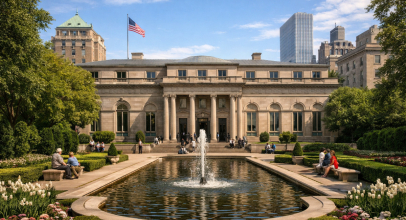
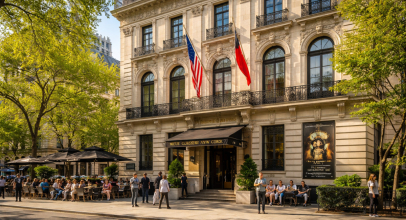
Housed within the magnificent Alexander Hamilton U.S. Custom House, the building itself is an integral part of the visitor experience at the National Museum of the American Indian New York. This Beaux-Arts landmark, completed in 1907, with its opulent facade adorned with allegorical sculptures representing continents, provides a striking contrast and a rich historical backdrop for the vibrant Indigenous cultures it now showcases. The grandeur of the rotunda, with its enormous dome and murals by Reginald Marsh, often leaves visitors awe-struck, setting an impressive stage for the cultural journeys within. The juxtaposition of this monumental architecture with the intimate and profound narratives of Native peoples creates a truly unique atmosphere.
Engaging with diverse art forms
The sheer breadth of artistic expression on display at the National Museum of the American Indian New York is remarkable. From delicate basketry woven with generations of knowledge to bold contemporary paintings that challenge modern perceptions, the museum's collection spans millennia and continents. Visitors can admire intricate quillwork and porcupine hair embroidery, vibrant textiles made from naturally dyed fibers, ceremonial regalia imbued with spiritual significance, and finely crafted pottery reflecting regional aesthetics. Beyond traditional forms, the museum actively features contemporary Indigenous artists whose work explores identity, history, and current events through diverse media, including sculpture, photography, film, and installation art. These modern pieces bridge the past and present, demonstrating the continuous evolution and vitality of Native creativity.
Cultural performances and public programs
The National Museum of the American Indian New York is more than a static exhibition space; it is a lively cultural hub. Throughout the year, the museum hosts an array of public programs, including traditional dance performances, music concerts, storytelling sessions, and hands-on workshops. These events provide invaluable opportunities for visitors to engage directly with Indigenous cultures in dynamic and interactive ways. Witnessing a traditional drum circle or a ceremonial dance offers a profound sensory experience that complements the visual displays, bringing the cultures to life. These programs underscore the museum's commitment to presenting Indigenous cultures as living, breathing entities, continuously adapting and thriving.
The spirit of self-representation
A defining characteristic of the National Museum of the American Indian New York is its commitment to presenting Indigenous perspectives through the voices of Native peoples themselves. Exhibitions are developed in close collaboration with tribal communities, ensuring that narratives are culturally authentic and respectful. This approach fosters a deeper understanding and appreciation, moving beyond outdated stereotypes to reveal the complexity, resilience, and wisdom of Indigenous societies. The museum empowers Native individuals to share their histories, their languages, and their worldviews, making it an essential destination for anyone seeking an authentic understanding of America's first peoples.
"Understanding Indigenous cultures requires listening to Indigenous voices, a principle at the very core of this institution's mission."
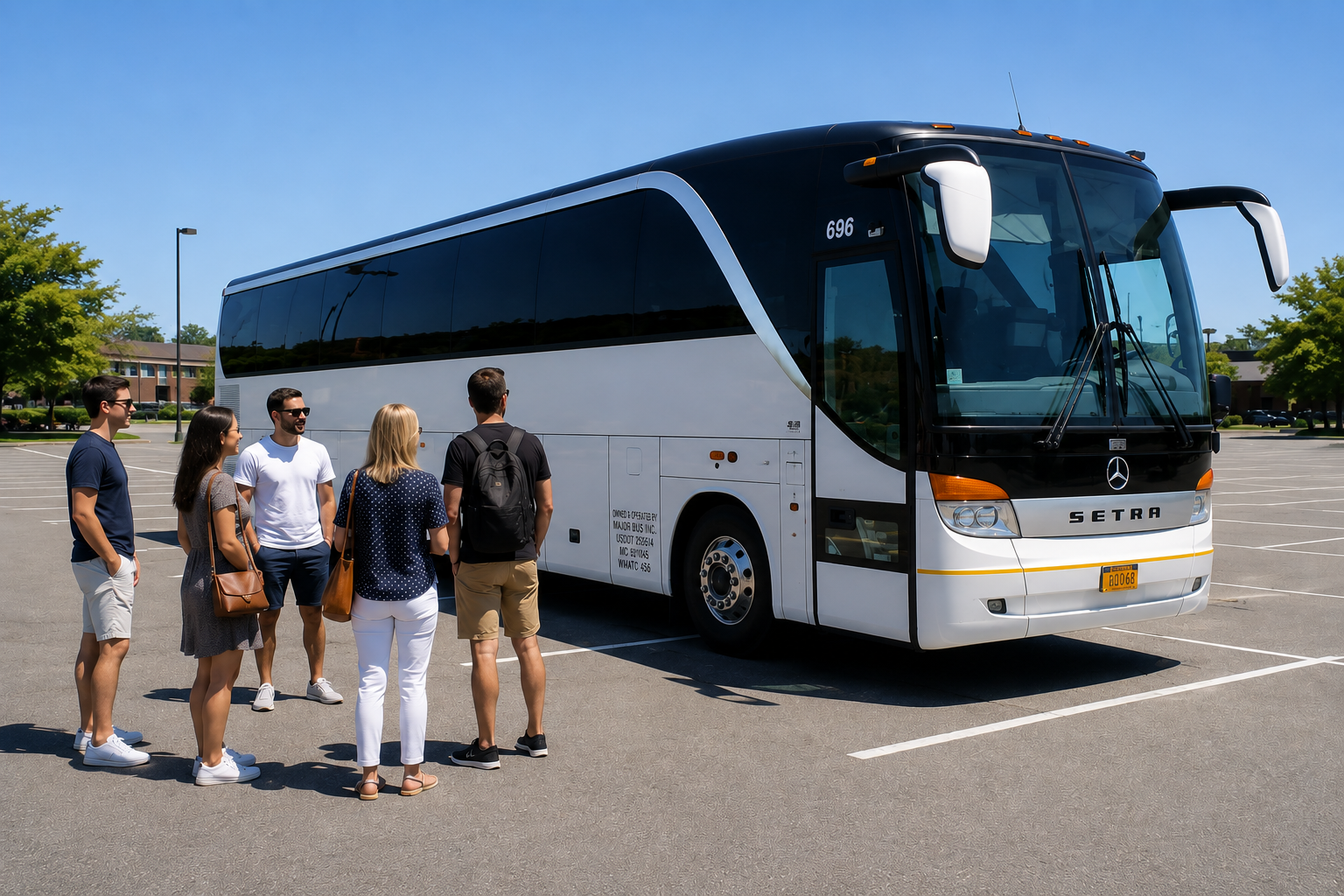
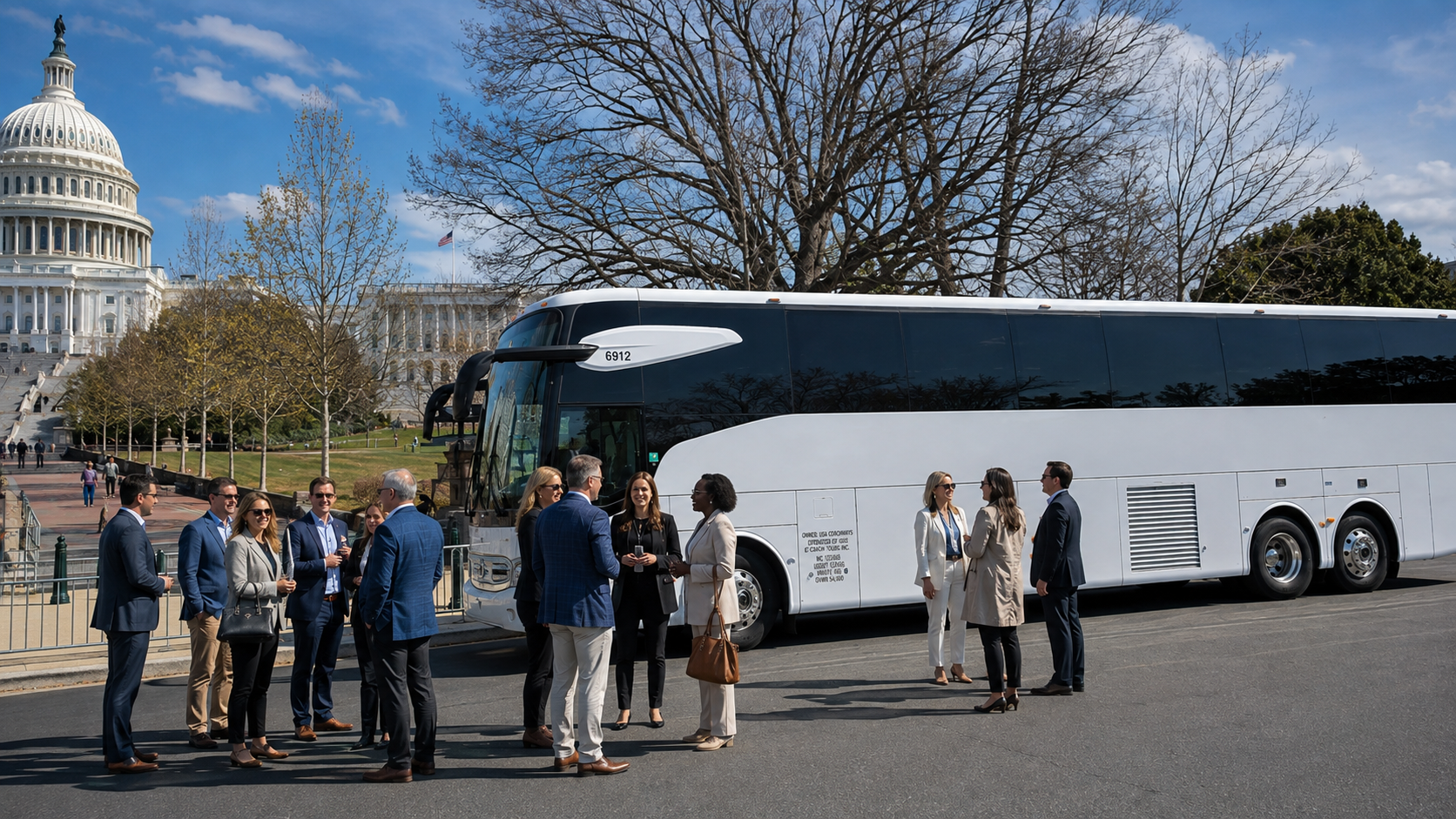
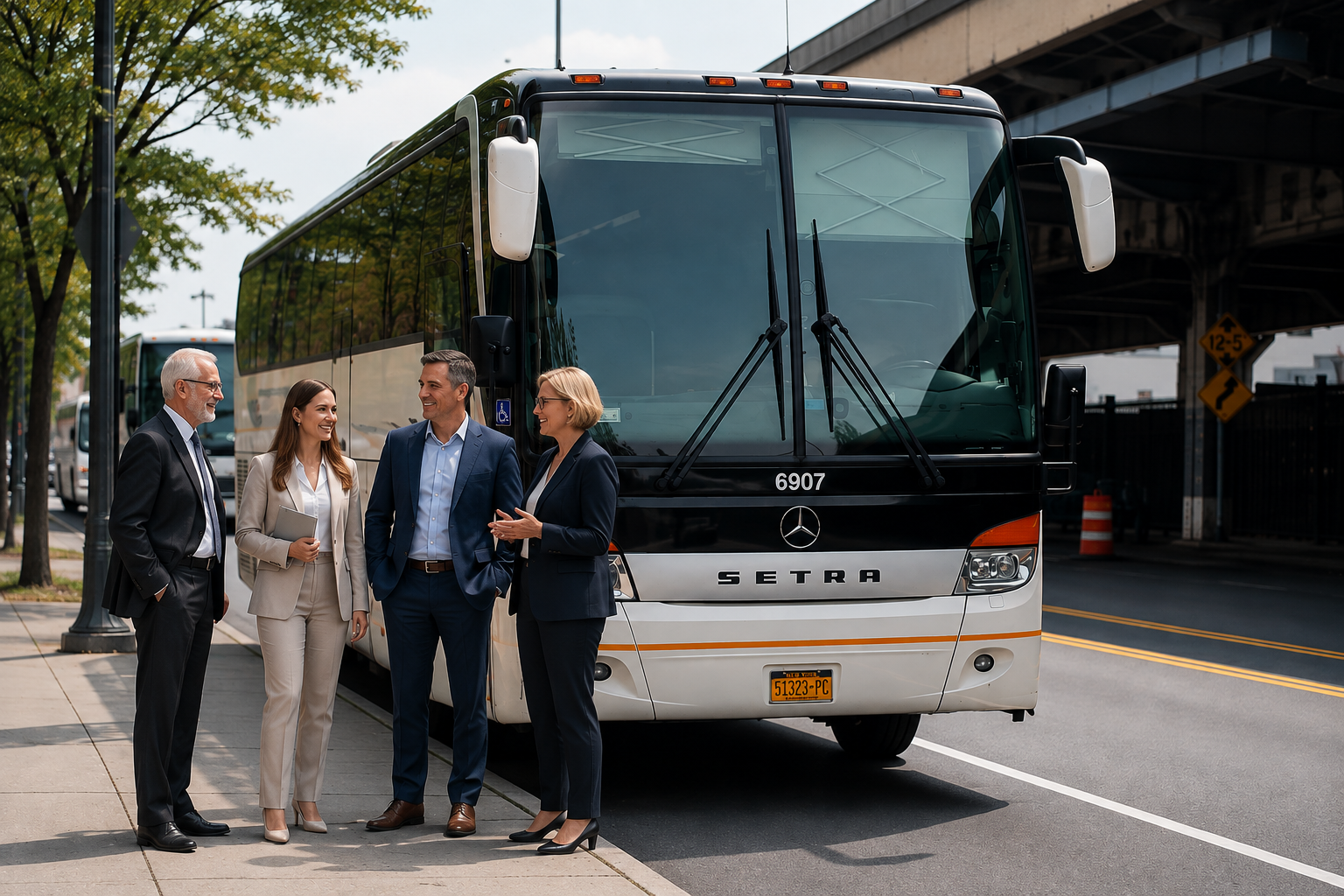
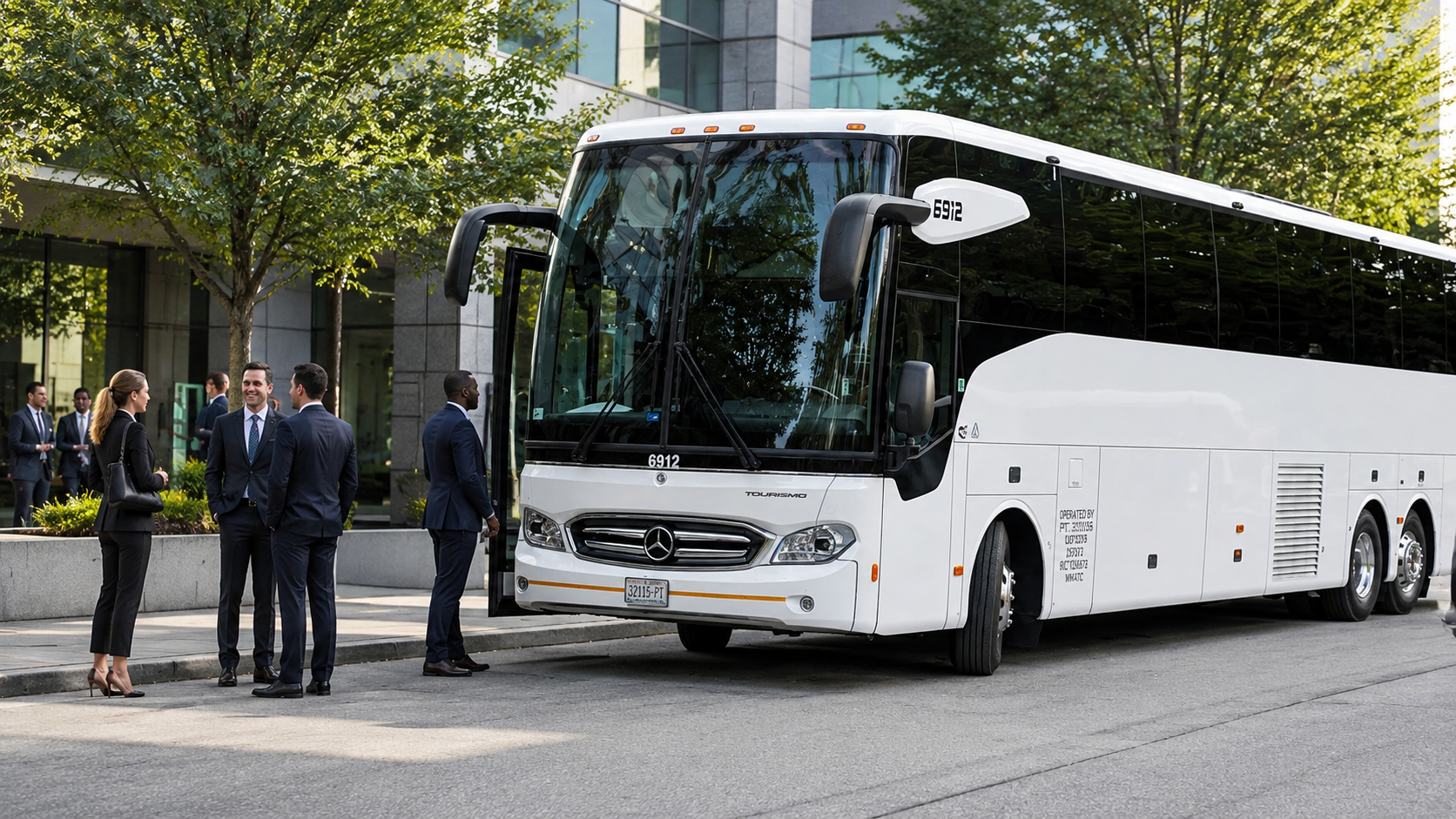
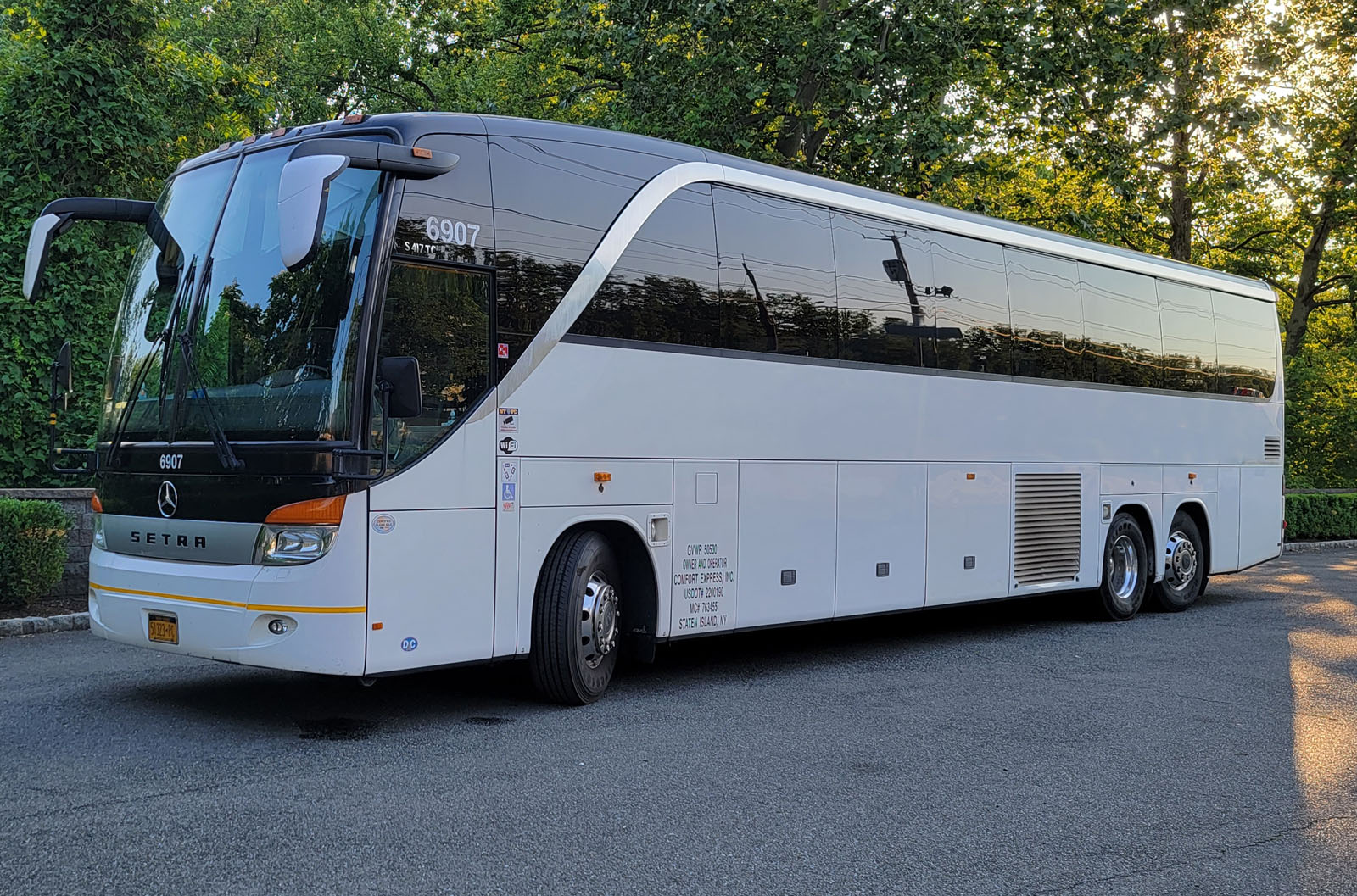
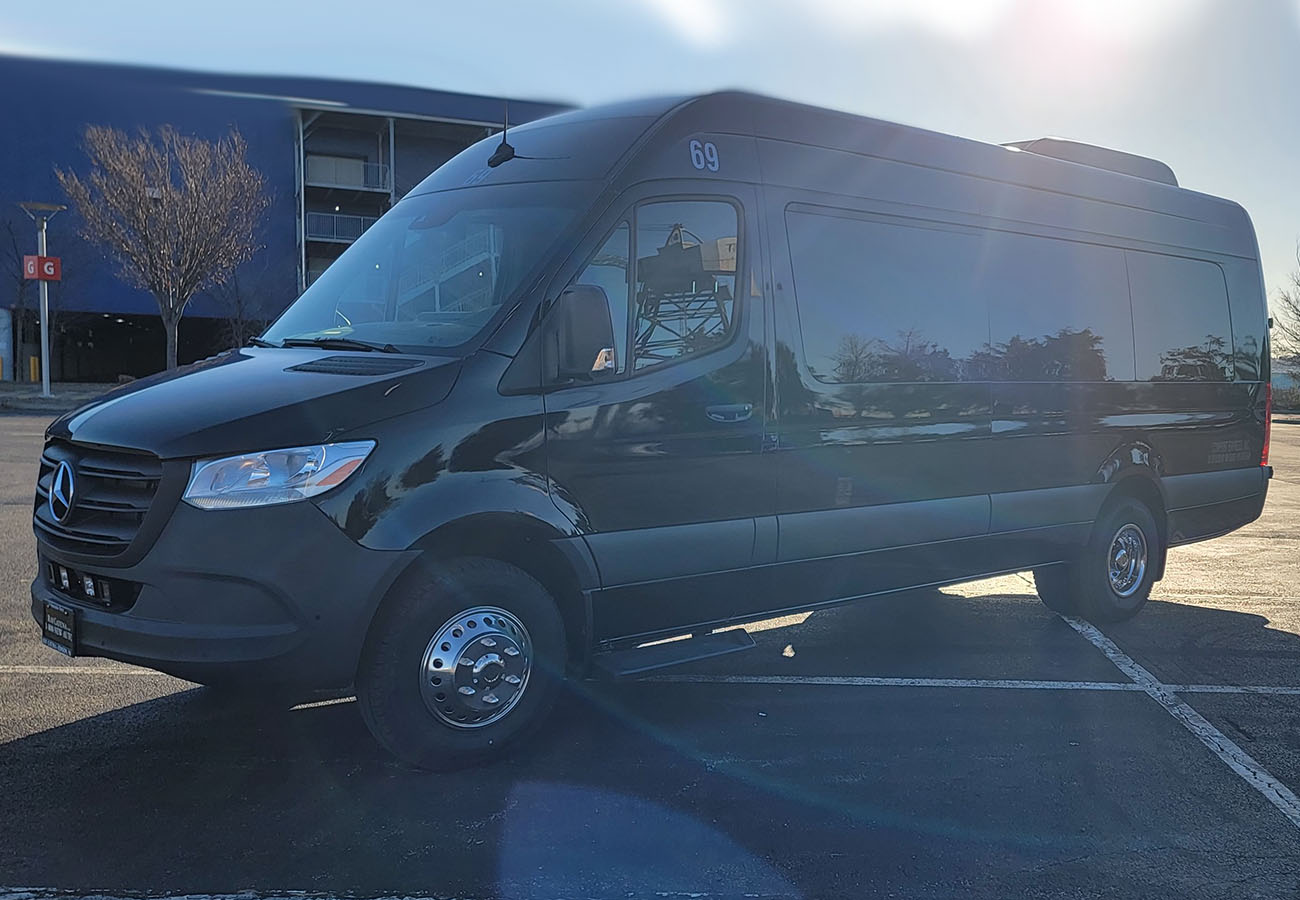
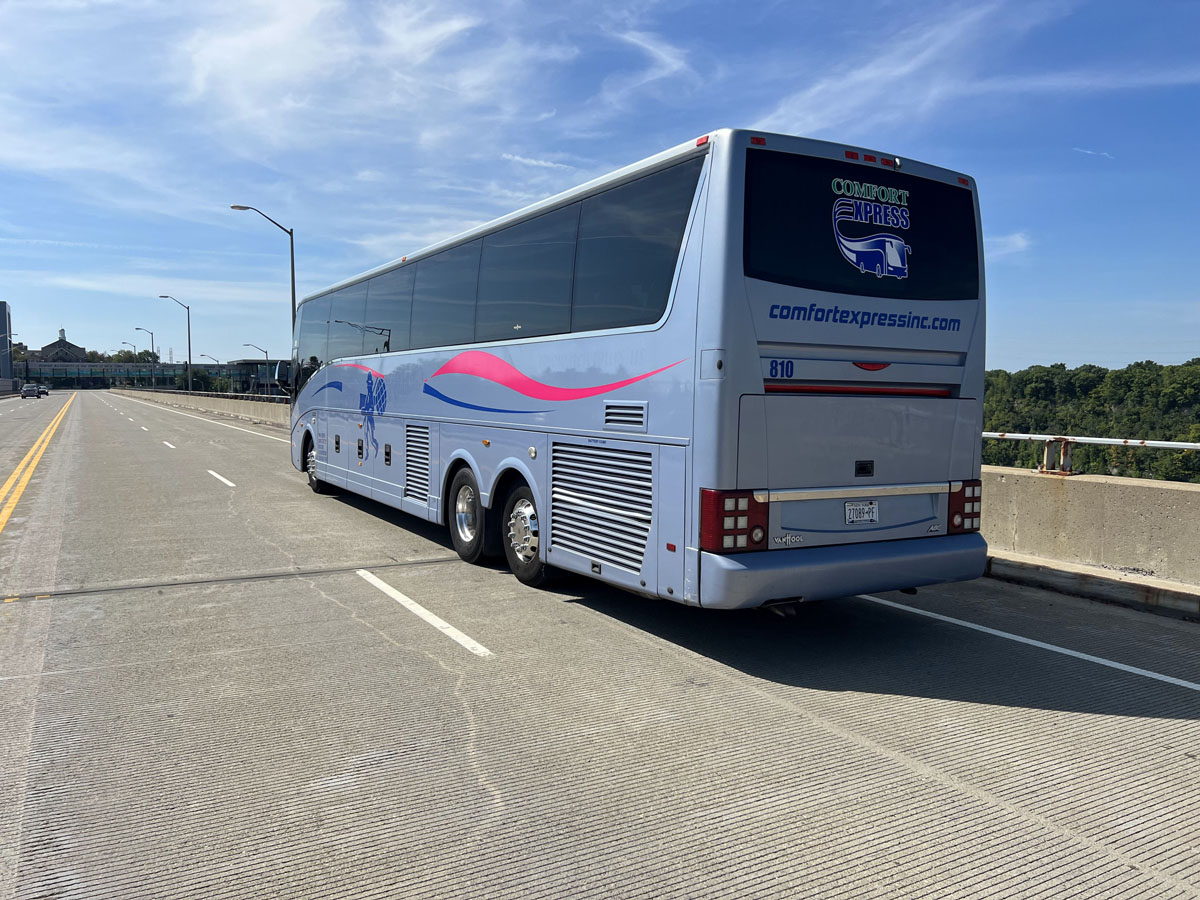
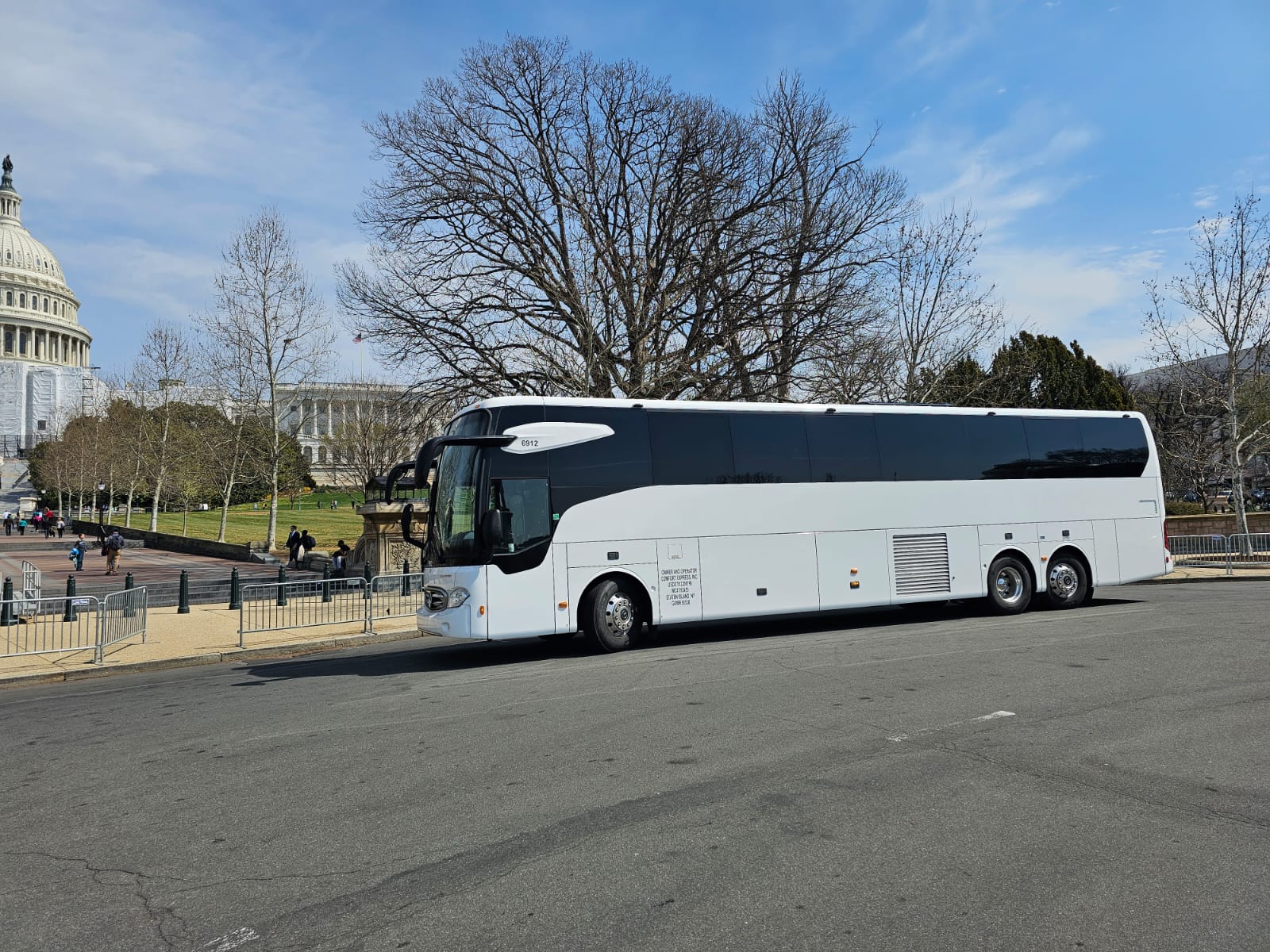
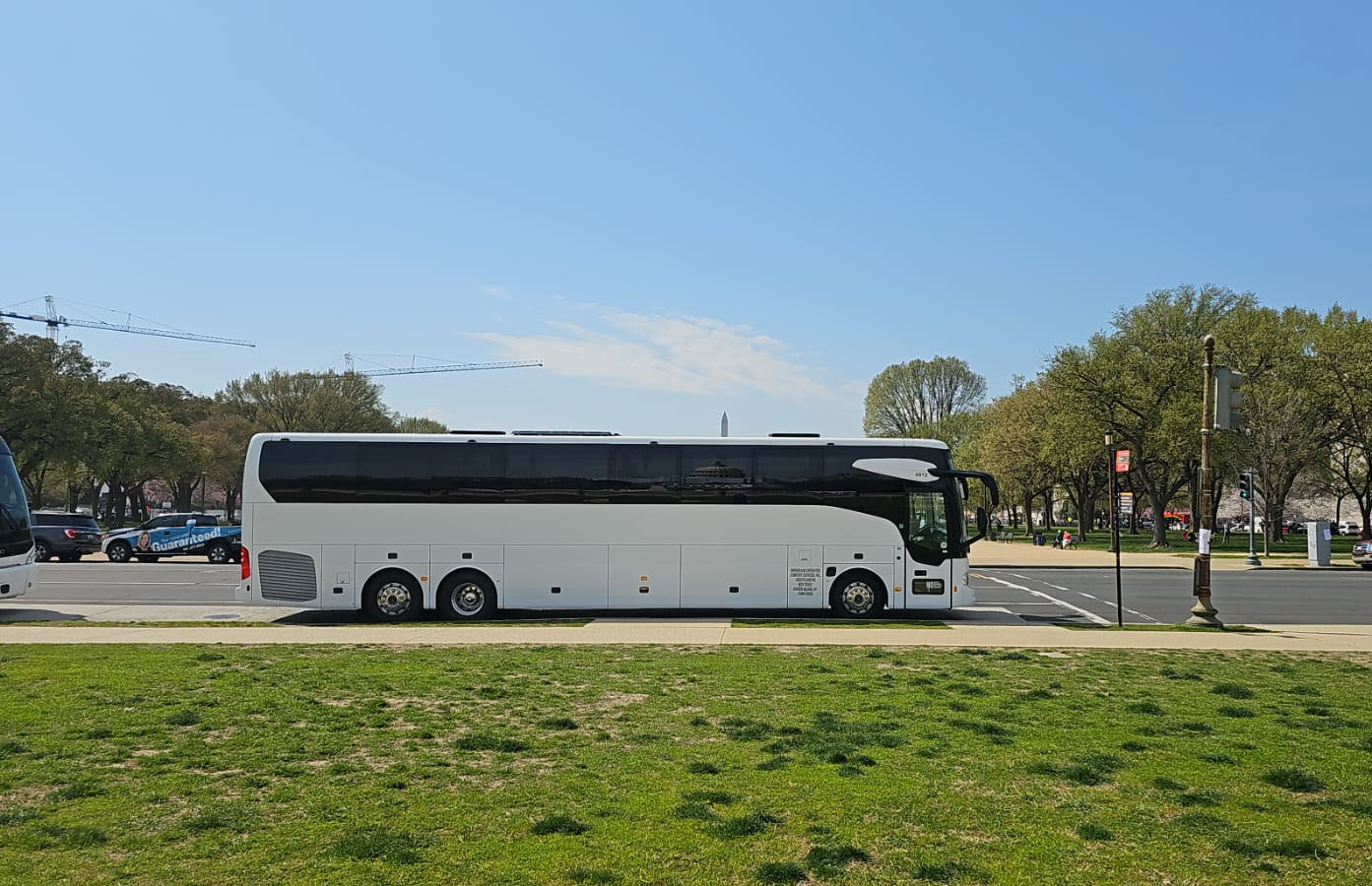
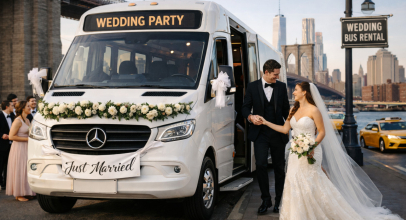
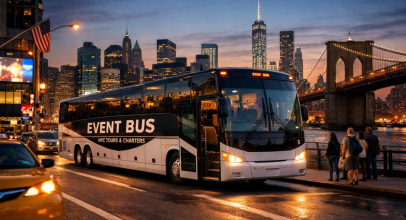
Typical bus rental prices:
| Bus Type | Per Hour | Per Day |
|---|---|---|
| 56-Passenger | $165 – $200 | $1,450 – $1,950 |
| Luxury Van | $100 – $125 min 6 hours | $1,100 – $1,250 10 hours |
Planning your visit
Entry and accessibility
One of the most appealing aspects of the National Museum of the American Indian New York is its completely free admission. This policy ensures that the rich cultural heritage and contemporary stories of Indigenous peoples are accessible to everyone, regardless of economic status. The museum is also committed to accessibility for all visitors, offering wheelchair access, accessible restrooms, and elevators to all floors. Information regarding specific accommodations, such as assistive listening devices or sign language interpretation for programs, is readily available upon request.
Navigating the exhibits
To fully appreciate the vastness and depth of the collections, visitors might consider dedicating at least two to three hours to explore the National Museum of the American Indian New York. Start with the main galleries on the second floor, which house "Infinity of Nations," before moving to the special exhibitions. Informative plaques and multimedia presentations accompany many displays, offering deeper insights. Don't forget to visit the museum's gift shop, which features an excellent selection of books, jewelry, and art crafted by Indigenous artists, providing a direct way to support Native communities. A café offering light refreshments is also available, perfect for a short break.
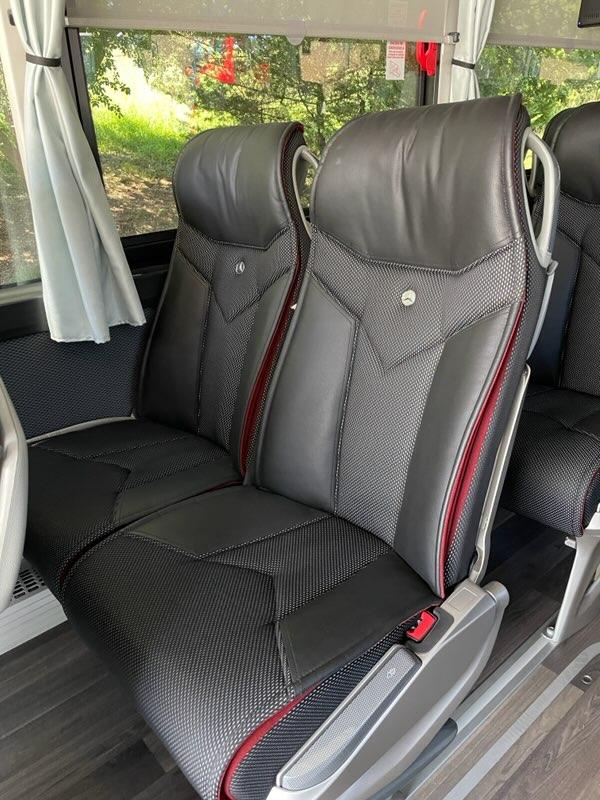
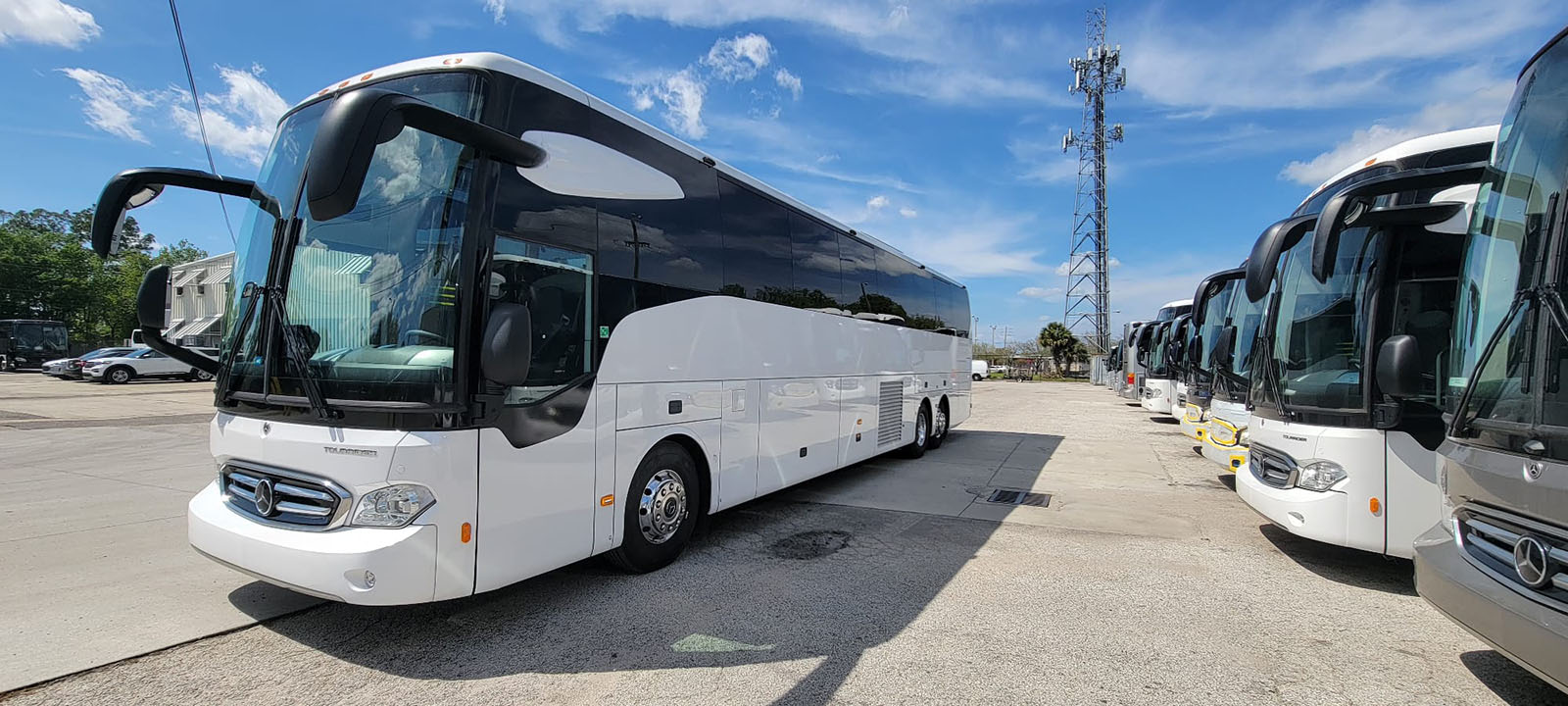
Popular Bus Types




Approximate visitor costs
| Item | Cost (USD) |
|---|---|
| General Admission | Free |
| Special Programs/Workshops (select events) | Varies, often free or low cost |
| Gift Shop items | Starting from $5 (jewelry, books, art) |
| Café refreshments | $5 - $15 (snacks, drinks, light meals) |
| Public Transportation (one-way fare) | $2.90 (MTA MetroCard or OMNY) |
Photo Gallery


Reaching the museum from central Manhattan
The National Museum of the American Indian New York is conveniently located in Lower Manhattan, making it easily accessible from anywhere in the city center.
By subway
This is often the quickest and most efficient way to reach the museum.
- Take the 4 or 5 express train (green line) to Bowling Green station. The museum is directly across the street from the subway exit.
- Alternatively, take the 1 local train (red line) to South Ferry station. From there, it's a short walk north along State Street.
- The R or W local train (yellow line) to Whitehall Street station also leaves you just a block away, heading east on Water Street then north on Bowling Green.
By bus
Several MTA bus lines serve the area, offering a scenic route through Lower Manhattan.
- M15, M15-SBS (Select Bus Service), M20, and M55 bus routes all have stops within a short walking distance of the National Museum of the American Indian New York. Check real-time bus tracking apps for the most current information on routes and stops.
By foot or taxi/rideshare
From popular central Manhattan locations like Times Square or Midtown, walking would be a substantial journey (approximately 45-60 minutes), but it could be an option if you enjoy extensive sightseeing along the way through different neighborhoods. Taxis and rideshare services are readily available throughout Manhattan and will drop you directly at the museum's entrance at One Bowling Green. Travel time will vary significantly based on traffic conditions, typically ranging from 20-40 minutes from Midtown. It is advisable to factor in potential traffic delays, especially during peak hours, when planning your visit to the National Museum of the American Indian New York. The museum's proximity to Battery Park and the Staten Island Ferry terminal also makes it an excellent stop for those exploring the tip of Manhattan. Its presence enriches the cultural landscape of New York, providing a vital space for learning and appreciation.
Frequently Asked Questions
What is the National Museum of the American Indian New York?
Can I bring bags or coats into the museum? Is there a coat check?
Are guided tours or educational programs available?
What is the museum's policy on photography?
Does the museum have a gift shop or cafe?
Is the museum accessible for visitors with disabilities?
How can I get to the museum using public transportation?
What kind of exhibits and collections can I expect to see?
Is there an admission fee to visit the museum?
What are the museum's operating hours?
Where is the National Museum of the American Indian New York located?
How can I contact the museum for more information?
Read Also
OUR FLEET
Our Buses
Explore our modern, comfortable and well-maintained charter bus fleet.