Rubin Museum of Art New York
Exploring the Rubin's unique focus
The Rubin Museum of Art stands as a singular cultural beacon in New York City, dedicating its focus to the art, cultures, and profound ideas of the Himalayas, with a meticulous emphasis on the diverse artistic expressions emanating from Tibet and surrounding regions. Far more than just a conventional gallery, it offers an immersive and deeply personal journey into a world rich with spiritual depth, centuries-old wisdom, and unparalleled artistic mastery. Visitors are invited to explore an intricate visual tapestry that encapsulates the belief systems, philosophical underpinnings, and vibrant cultural expressions from a vast geographic area encompassing Tibet, Nepal, Bhutan, India, and Mongolia. The museum’s collection, vast and meticulously curated with over 3,500 objects, serves as an unparalleled gateway to understanding the complex spiritual landscapes and enduring artistic traditions of these often-mystified lands. Each visit unveils new layers of meaning, transforming mere observation into a profound educational and introspective experience. The core of the Rubin’s profound allure lies in its unparalleled collection of Himalayan art, meticulously spanning from the second to the early twentieth century. This includes an extraordinary array of paintings, sculptures, textiles, and ritual objects, each piece a testament to human creativity and spiritual devotion. Every artifact held within these walls tells a story, often imbued with layers of intricate spiritual meaning, depicting revered deities, enlightened beings, complex mandalas, and compelling narratives drawn from both Buddhist and the ancient Bon traditions. The museum excels in presenting these objects not merely as isolated aesthetic pieces, but as vital, interconnected components of a living culture and a vibrant spiritual practice, revealing their original context and purpose.
Thangka paintings a window to enlightenment
Among the most celebrated and visually arresting elements in the Rubin’s collection are the Thangka paintings. These intricate scroll paintings, traditionally used as essential aids for meditation, visualization, and sacred instruction, are breathtaking in their meticulous detail, vibrant mineral-derived colors, and profound symbolic complexity. Each deliberate brushstroke by a devoted artist contributes to a larger narrative, conveying cosmological maps, tantric deities, and intricate visual commentaries on profound Buddhist philosophy. Viewing these exquisite works up close is an experience of revelation, exposing not only the exceptional technical skill and patience of the ancient artists but also the profound spiritual dedication and understanding embedded within each creation. The narrative power and spiritual luminosity of these paintings gently transport the viewer, offering unparalleled insights into a universe governed by compassion, wisdom, and the interconnectedness of all phenomena.
The Rubin Museum's collection provides an unparalleled opportunity to engage with art that is both aesthetically compelling and deeply spiritually resonant, offering a unique pathway to understanding Himalayan culture.
Sculptures and ritual objects embodying devotion
Beyond the captivating two-dimensional realm, the museum features an equally impressive collection of sculptures, often masterfully crafted from bronze, copper, wood, or various precious alloys. These three-dimensional representations depict Buddhas, bodhisattvas, and powerful tutelary deities, offering a tangible and intimate connection to the spiritual realm. They often display specific mudras (symbolic hand gestures) and iconographic details that convey particular teachings, states of being, or energetic principles. Complementing these sculptures are a diverse range of ritual objects such as vajras, phurbas, prayer wheels, butter lamps, and elaborate ceremonial masks, which illuminate the practical and performative aspects of spiritual practice and cultural ceremonies. The exquisite craftsmanship inherent in these pieces often blends profound artistic beauty with a functional sacred purpose, underscoring their integral role in daily life and spiritual rituals.
The Gateway to Himalayan Art experience
One of the most enriching and accessible experiences for new and returning visitors alike is the museum’s ongoing "Gateway to Himalayan Art" installation. This thoughtfully curated journey serves as an invaluable guide, leading visitors through the fundamental concepts, visual language, and symbolic meanings embedded within Himalayan art. It acts as a powerful demystifier, explaining complex iconographic symbols and profound philosophical themes in an understandable way. The Gateway transforms mere casual viewing into genuine understanding, equipping one with the visual literacy and contextual knowledge needed to appreciate the broader collection more deeply. Through thematic groupings, clear explanatory texts, and interactive elements, this special section fosters a deeper and more meaningful connection with the art and its rich cultural and spiritual context.
Typical bus rental prices:
| Bus Type | Per Hour | Per Day |
|---|---|---|
| 56-Passenger | $165 – $200 | $1,450 – $1,950 |
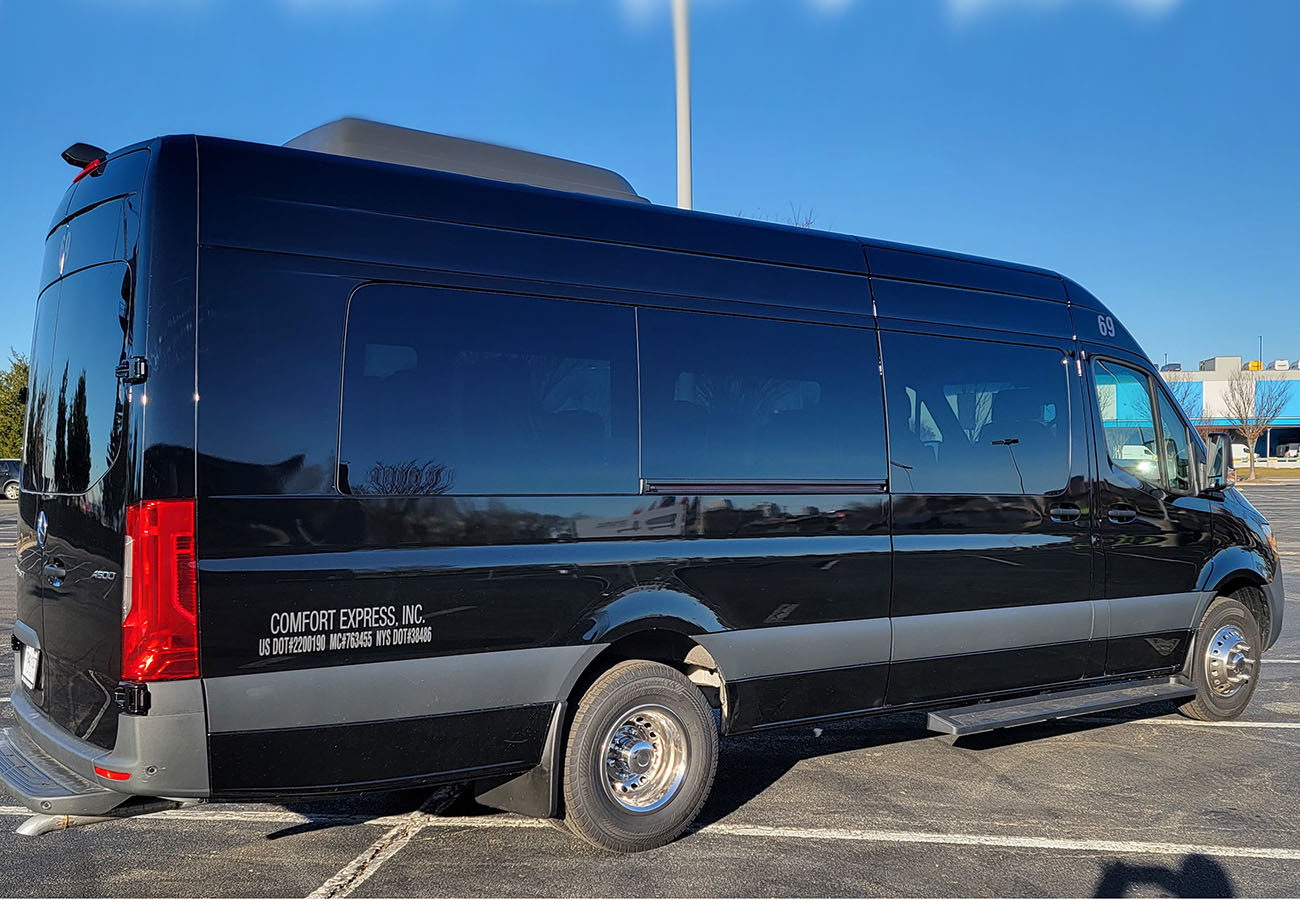
| Luxury Van | $100 – $125 min 6 hours | $1,100 – $1,250 10 hours |
Dynamic exhibitions and programming
The Rubin is renowned not only for its exemplary permanent collection but also for its continually evolving schedule of temporary exhibitions. These often explore contemporary themes through the compelling lens of Himalayan art or bridge ancient traditions with modern perspectives, fostering cross-cultural dialogue and intellectual curiosity. These special exhibitions are meticulously researched, innovatively presented, and designed to offer fresh insights, diverse interpretations, and often surprising connections, ensuring that the museum experience remains vibrant, intellectually stimulating, and deeply engaging for every visitor.
Mindfulness and meditation programs
Beyond its extraordinary visual art, the museum has established itself as a significant hub for mindfulness and contemplative practices. Regular events, immersive workshops, and guided meditation sessions are consistently offered, providing visitors with unique opportunities to engage directly with the philosophical and practical underpinnings of the art they encounter. From popular "Mindful Mondays" to elaborate sound bath experiences and guided meditations focusing on compassion or wisdom, these programs are carefully designed to foster a sense of inner peace, intellectual inquiry, and personal growth, effectively making the Rubin a truly unique sanctuary in the heart of the bustling city. The very atmosphere of the museum, characterized by its quiet galleries and thoughtfully designed contemplative spaces, actively encourages introspection, reflection, and a deeper, more personal connection with the art's spiritual origins.
Film series and cultural dialogues
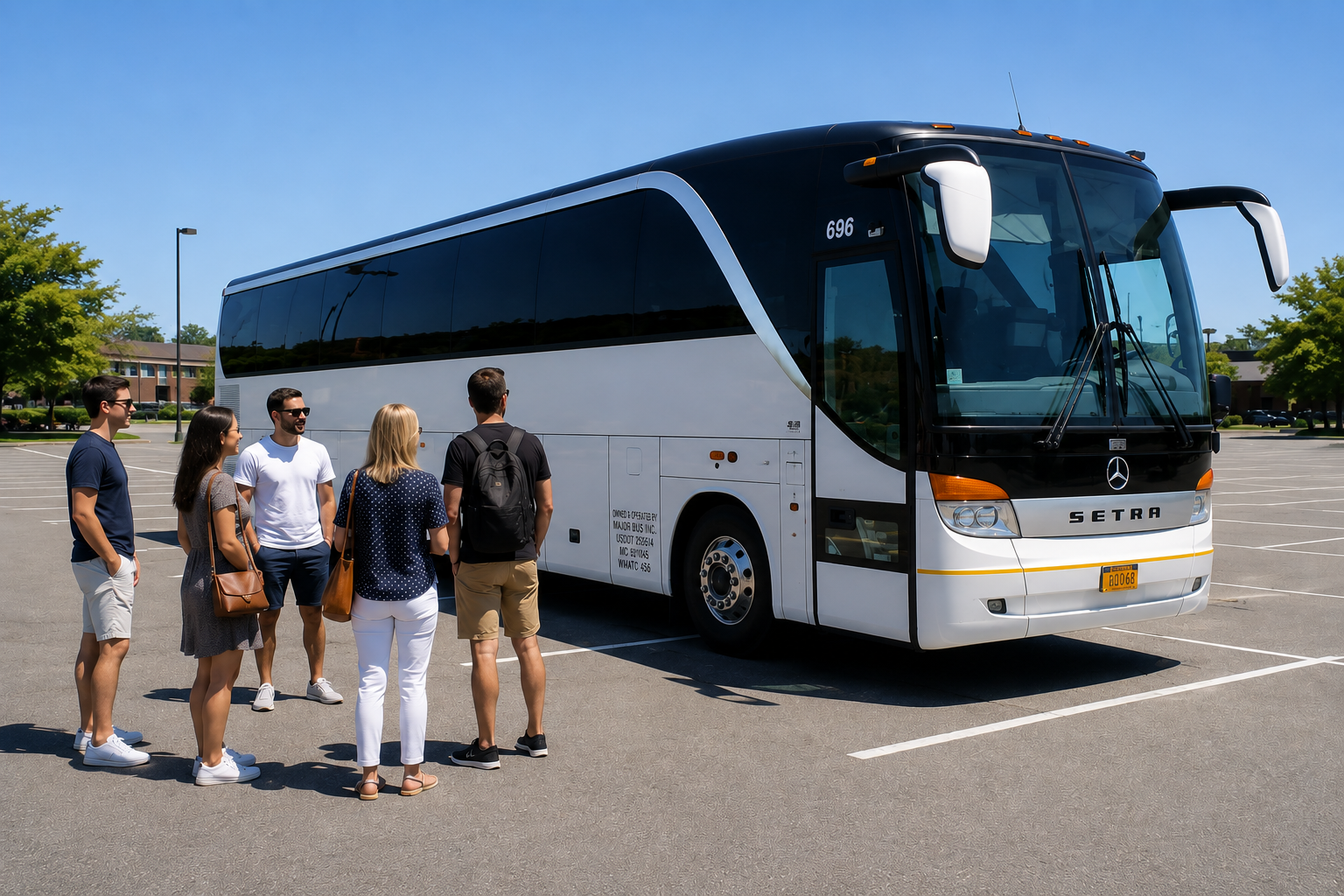
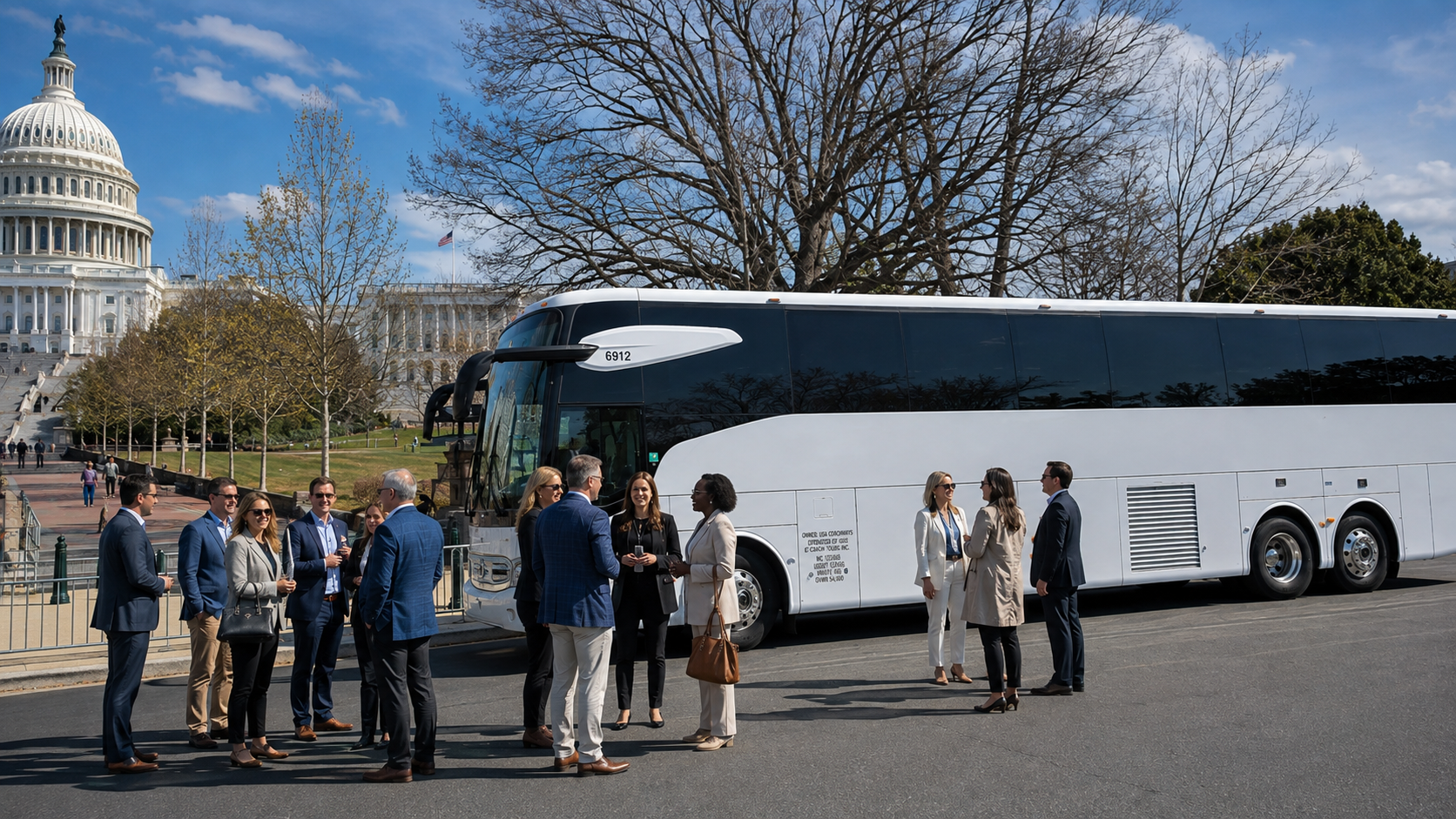
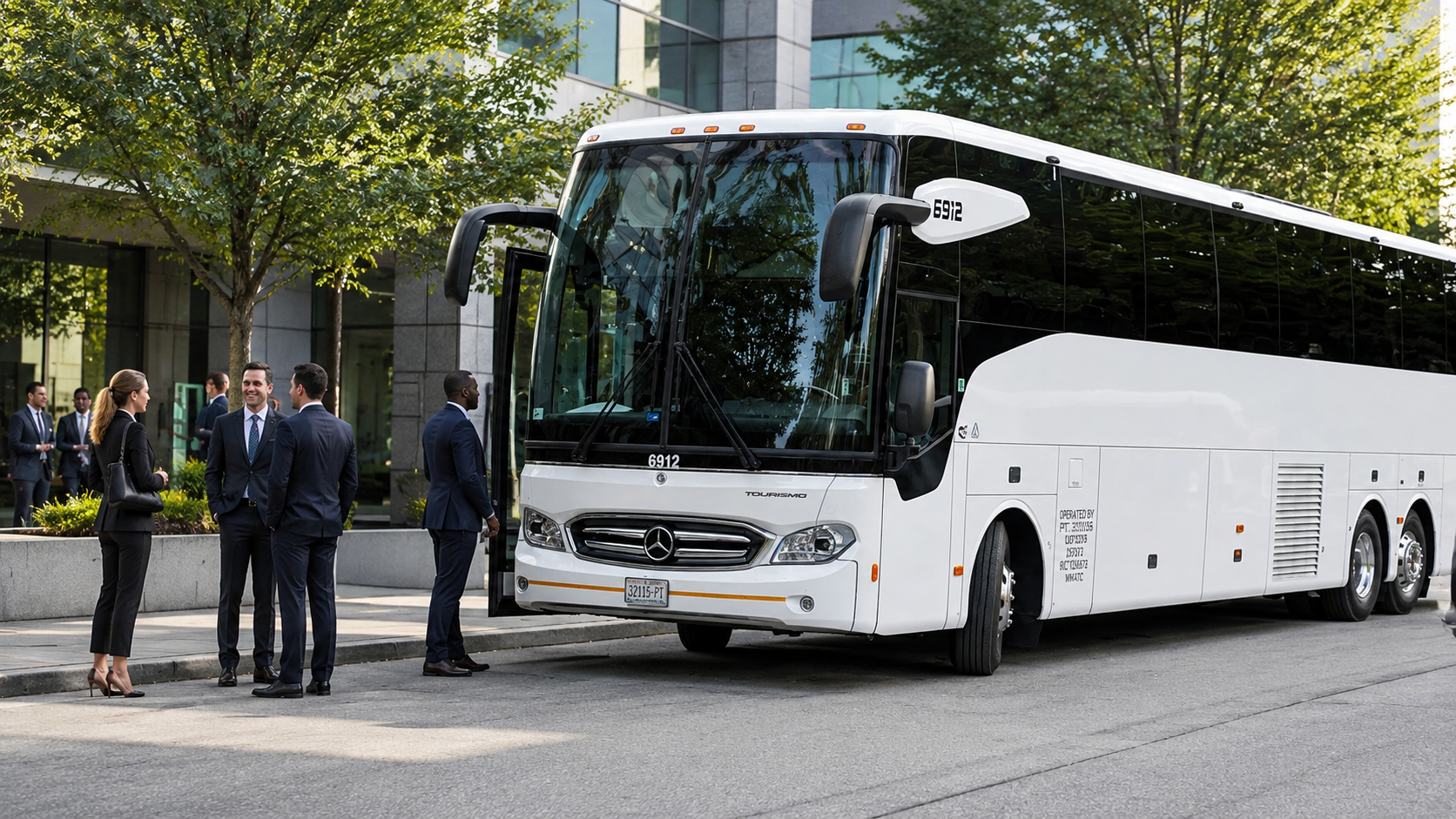
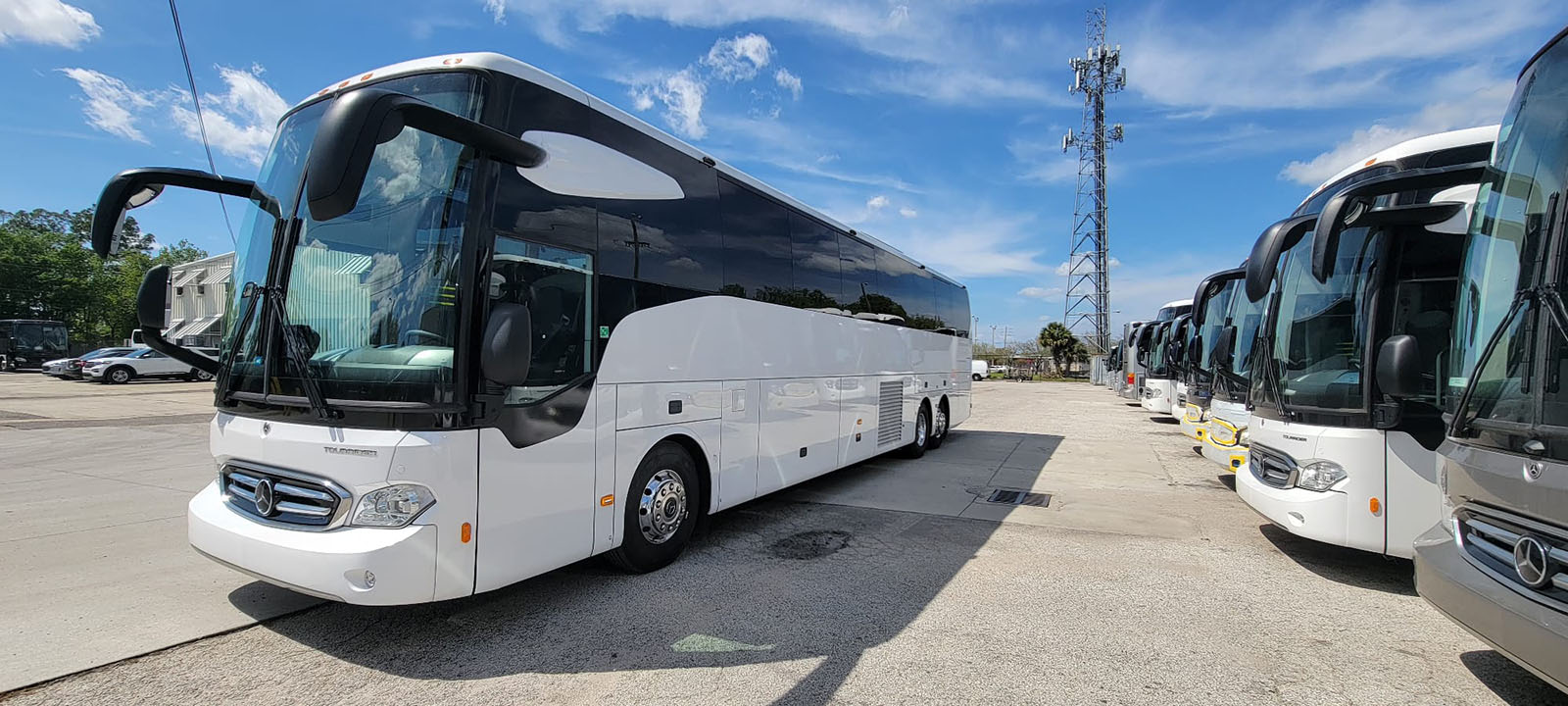
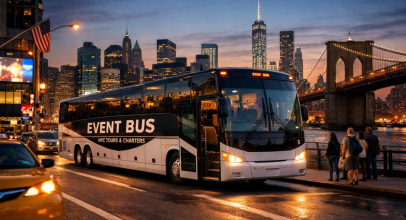
The Rubin also proudly hosts an acclaimed film series, showcasing a diverse selection of documentaries, artistic films, and independent cinema that delve into various aspects of Himalayan culture, spirituality, environmental challenges, and contemporary issues facing the region. These screenings are frequently accompanied by insightful discussions with filmmakers, cultural experts, and scholars, creating a dynamic and engaging forum for cultural exchange, intellectual discourse, and a deeper understanding of the complex tapestry of Himalayan life and thought. The museum actively seeks to foster meaningful dialogue, inviting a wide range of voices to share their perspectives, thereby enriching the visitor's understanding and appreciation. Planning a group trip to the Rubin Museum of Art, or any of New York's incredible destinations, is made effortless and enjoyable with the right transportation. For a comfortable, convenient, and stress-free journey for your entire party, consider securing a dedicated charter bus. Avoid the hassle of navigating public transport logistics, finding multiple parking spots, or coordinating separate vehicles. Travel together in style and comfort, ensuring everyone arrives refreshed and ready to immerse themselves in art and culture. For easy group travel arrangements, visit Bus Rental.
Popular Bus Types




The architectural ambiance
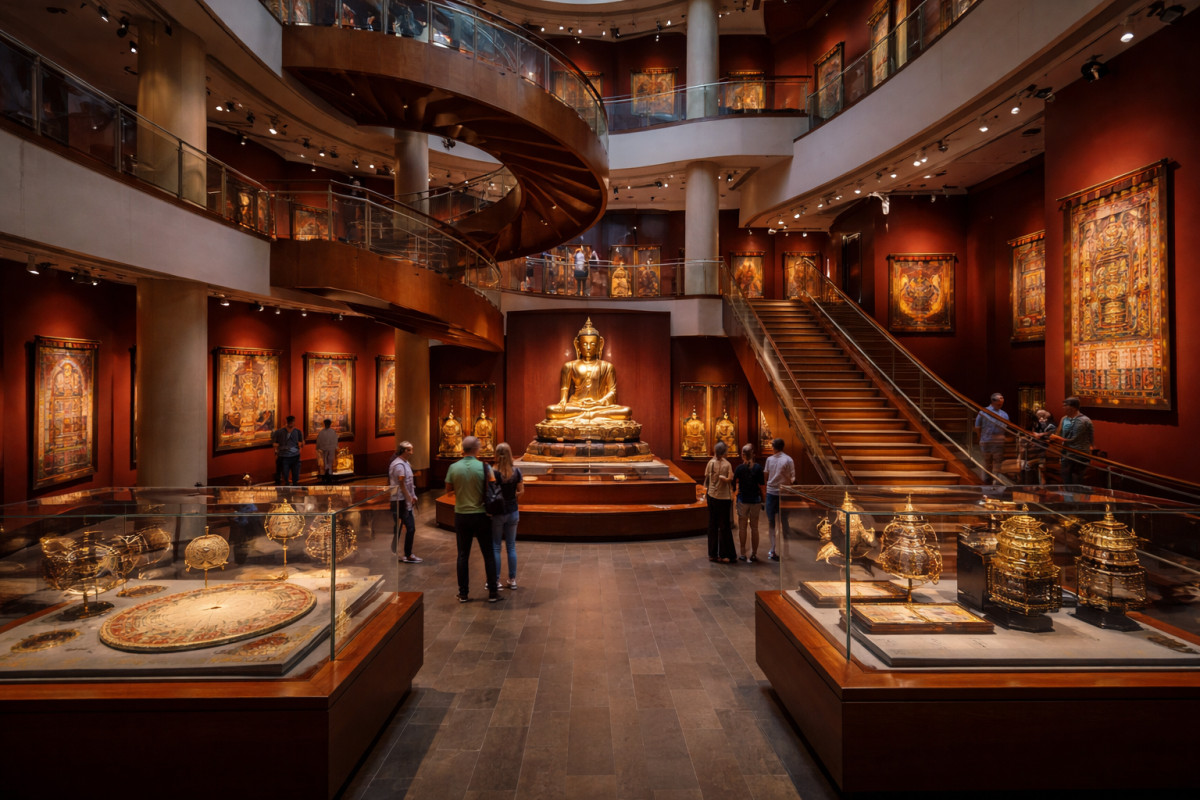
Housed in a meticulously renovated former Barney's department store building, the Rubin Museum's architecture itself is an integral part of the visitor experience, purposefully designed to enhance and facilitate a contemplative journey. The building’s most iconic feature is its spiraling central staircase, affectionately known as the "Himalayan Art Spiral." This architectural marvel serves as a symbolic ascent, gently guiding visitors through different floors, thematic galleries, and levels of understanding. The deliberate use of warm, inviting lighting, natural materials like wood and stone, and thoughtfully designed, serene spaces collectively create an atmosphere of profound tranquility and reverence. This careful architectural design plays a crucial role in shaping the visitor’s intellectual and emotional journey, subtly inviting quiet reflection, focused observation, and profound discovery at every turn. The building seamlessly blends modern aesthetics with a sense of timelessness, perfectly complementing the ancient art it houses.
Photo Gallery


A journey through spiritual landscapes
Visiting the Rubin is much more than simply observing artifacts; it is about embarking on a profound intellectual and spiritual journey. The art housed within its inspiring walls represents thousands of years of human endeavor to understand the cosmos, the intricate nature of the self, and the elusive path to enlightenment. From the dynamically fierce protector deities, often depicted with powerful intensity, to the exquisitely serene and compassionate Buddhas, each piece invites deep contemplation on universal themes of life, death, rebirth, suffering, joy, and the relentless pursuit of wisdom. The museum consistently curates experiences that transcend mere visual engagement, actively encouraging visitors to connect with the profound human aspirations, spiritual struggles, and ultimate triumphs embedded within these extraordinary artworks. It serves as a reminder of humanity's shared quest for meaning and transcendence.
For the contemplative visitor
Whether you are a seasoned art enthusiast with a deep appreciation for diverse cultures, a spiritual seeker curious about Eastern philosophies, or simply a curious individual seeking a rich and distinct cultural tradition, the Rubin offers something uniquely profound and personally enriching. Its unwavering dedication to creating an environment specifically conducive to reflection, deep learning, and personal discovery truly sets it apart from other institutions. The museum's strong emphasis on accessible interpretation, engaging programming, and immersive experiences ensures that visitors of all backgrounds and levels of familiarity can engage meaningfully and profoundly with the powerful narratives, intricate aesthetics, and deep spiritual significance of Himalayan art. It's not just a place to see art; it’s a cherished space to slow down, to look deeply, to listen intently, and to perhaps discover new perspectives on the nature of reality, consciousness, and the enduring human spirit.
Planning your visit
Approximate admission prices
| Category | Price (USD) |
|---|---|
| Adults | 19.00 |
| Seniors (65+) | 14.00 |
| Students with ID | 14.00 |
| Members | Free |
| Children (12 and under) | Free |
| Friday evenings (6-10 PM) | Free |
*Note: Prices are approximate and subject to change. It is highly recommended to check the official museum website for the most current information, any specific special exhibition fees, and updated operating hours before planning your visit.*
Getting there from Midtown Manhattan
The Rubin Museum of Art is strategically and conveniently located in the vibrant Chelsea neighborhood of Manhattan, making it easily accessible from Midtown and various other parts of the city.
By Subway
- For the most direct route, take the A C E trains to 14th Street / 8th Avenue station. Upon exiting, the museum is a pleasant, short walk east on 17th Street.
- Alternatively, take the 1 2 3 trains to 14th Street / 7th Avenue station. From here, walk one block west to 7th Avenue and then proceed south to 17th Street.
- You can also take the F M L trains to 14th Street / 6th Avenue station. After exiting, walk west on 17th Street directly towards the museum.
By Bus
- Several MTA bus lines provide convenient access. The M7, M14A, M14D, and M20 bus lines all have stops located within close proximity to the museum, allowing for easy arrival.
By Walking Taxi Rideshare
From the bustling heart of Midtown, such as Times Square or Rockefeller Center, the Rubin Museum is situated approximately 1.5 to 2 miles southwest. A comfortable taxi or rideshare service will typically take about 10-20 minutes, heavily depending on current traffic conditions. Walking offers a longer, but exceptionally scenic, option through lively and diverse Manhattan neighborhoods, usually taking between 30-40 minutes. This allows for an opportunity to experience the city's unique charm en route to the museum.
Frequently Asked Questions
What is the Rubin Museum of Art?
Does the Rubin Museum offer special programs or events?
Am I allowed to take photos inside the Rubin Museum?
How can I get to the Rubin Museum using public transportation?
Does the museum have a gift shop or a cafe?
Is the Rubin Museum of Art accessible for visitors with disabilities?
Does the Rubin Museum offer guided tours?
What type of art does the Rubin Museum primarily collect and display?
How much is admission to the Rubin Museum and are there any discounts or free days?
What are the operating hours of the Rubin Museum?
Where is the Rubin Museum of Art located?
When was the Rubin Museum of Art founded?
Read Also
OUR FLEET
Our Buses
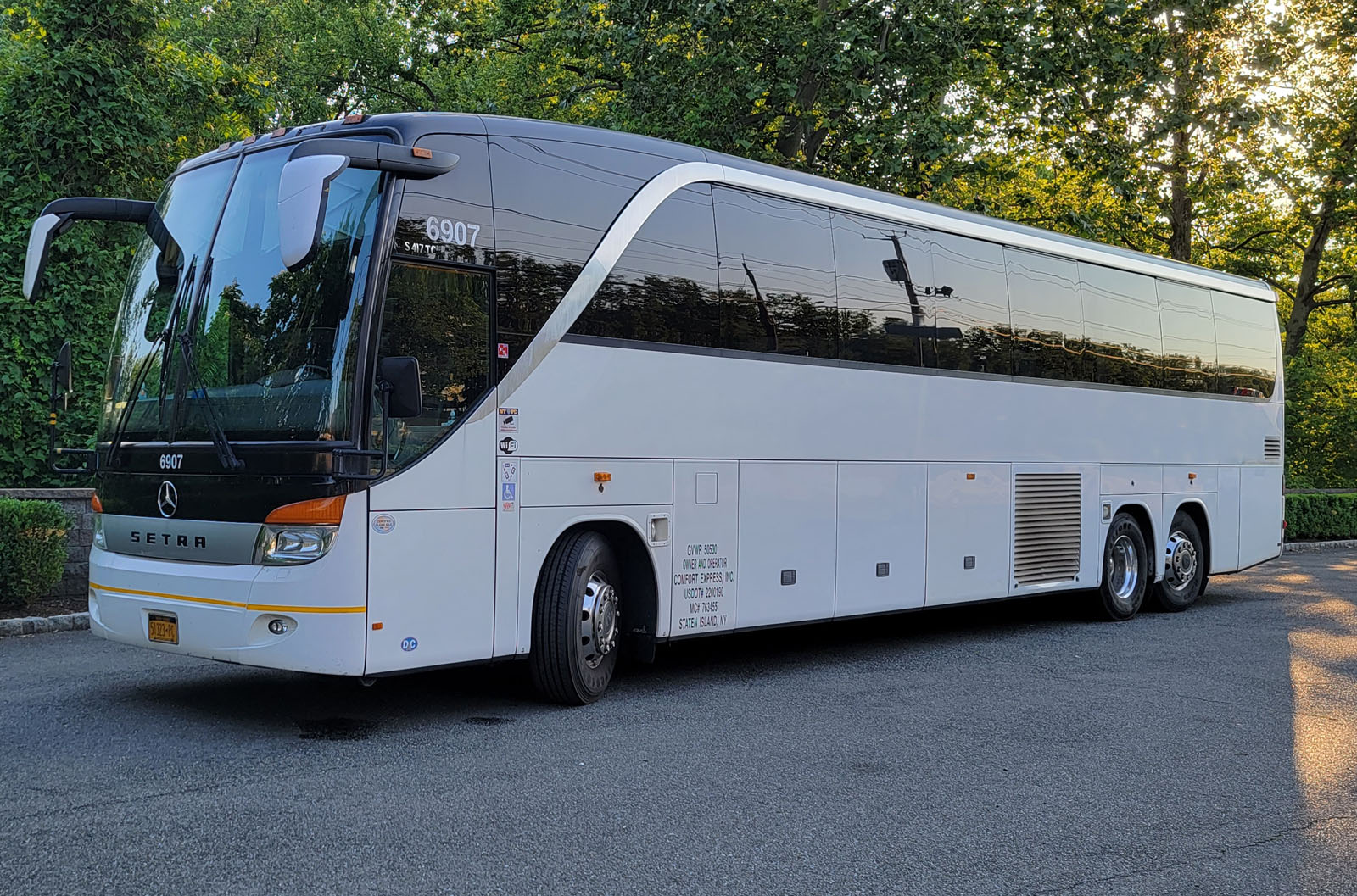
Explore our modern, comfortable and well-maintained charter bus fleet.