The Morgan Library and Museum New York
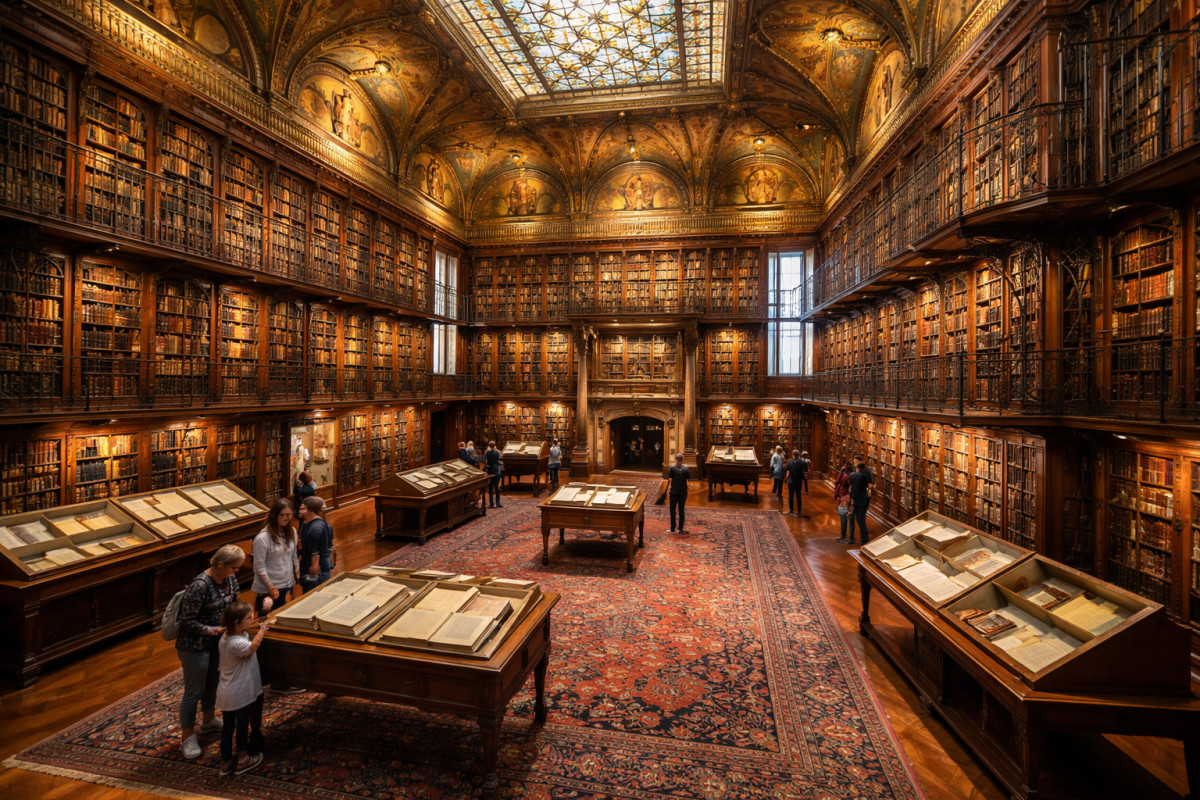
Nestled amidst the vibrant pulse of New York City, The Morgan Library and Museum stands as a formidable sanctuary of human creativity and intellectual endeavor. More than a mere repository, it is an exquisitely curated experience, an architectural jewel housing unparalleled collections that invite profound contemplation. It is a place where the tangible artifacts of thought and imagination transcend their material form, becoming portals to past genius and future inspiration.
Architectural grandeur
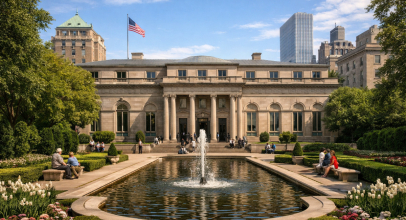
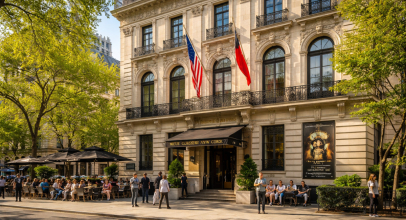
The Morgan’s architectural ensemble is a testament to timeless design and meticulous craftsmanship. The original McKim, Mead & White building, a stately Italian Renaissance-style palazzo, exudes an air of dignified authority, its marble facade speaking volumes of its purpose before one even steps inside. It is a harmonious blend of classical aesthetics and robust solidity, a deliberate statement of enduring cultural value.
A symphony in stone
The exterior, with its carefully carved ornamentation and imposing presence, hints at the treasures within. The expansion, thoughtfully integrated by Renzo Piano, respects the legacy of the original while introducing a contemporary transparency and lightness, fostering a dialogue between the venerable past and the dynamic present. This seamless integration creates a unified complex that is both grand and inviting, a deliberate journey through distinct yet interconnected spaces.
A space meticulously crafted, where every beam and fresco whispers tales of enduring beauty and intellectual ambition.
The choice of materials, from the Tennessee pink marble to the bronze accents, speaks to an uncompromising commitment to quality and longevity. Every detail, from the grand portico to the subtle landscaping, contributes to an overarching sense of aesthetic perfection and scholarly gravitas.
Interiors of profound contemplation
Inside, the library’s interiors are an exercise in opulence and intellectual stimulation. J. Pierpont Morgan’s study, preserved with its original furnishings and artworks, offers an intimate glimpse into the mind of a colossal collector. The East Room, perhaps the most iconic space, with its three-tiered walls of books, its soaring painted ceiling, and the vibrant tapestry adorning one wall, creates an atmosphere of breathtaking reverence for the written word. The natural light filtering through stained-glass windows illuminates ancient texts and modern minds alike, fostering an environment ripe for discovery and quiet reflection.
Typical bus rental prices:
| Bus Type | Per Hour | Per Day |
|---|---|---|
| 56-Passenger | $165 – $200 | $1,450 – $1,950 |
| Luxury Van | $100 – $125 min 6 hours | $1,100 – $1,250 10 hours |
Echoes of literary genius
The core of The Morgan’s allure resides in its extraordinary collection of rare books and manuscripts. It is a tangible lineage of human thought, from the earliest expressions on parchment to the seminal literary works that shaped civilizations. Here, the very origins of narrative and knowledge are preserved, offering an unparalleled journey into the creative process.
The intimate parchment
Among the most mesmerizing holdings are the medieval illuminated manuscripts, each page a miniature universe of devotion, artistry, and painstaking labor. These vibrant testaments to faith and storytelling, with their rich pigments and intricate gilding, transcend their age, speaking directly to the viewer with undiminished beauty. Beyond the visual spectacle, they offer profound insights into the religious, social, and intellectual currents of their time.
To hold a page touched by the author's own hand is to bridge centuries, touching the very genesis of thought.
Equally captivating are the autograph manuscripts of literary giants. To behold the actual handwriting of authors like Charles Dickens, Honoré de Balzac, or Mark Twain is to feel an almost electric connection to their creative struggles and triumphs. These documents, complete with crossings-out and marginal notes, offer an intimate portal into the minds that gave birth to timeless narratives.
Printed treasures
The collection extends to a remarkable array of early printed books, including incunabula (books printed before 1501), charting the revolutionary impact of the printing press. These early editions stand as monuments to the dissemination of knowledge, representing pivotal moments in human communication and scholarship. The careful preservation of these fragile artifacts underscores their immeasurable value in understanding the trajectory of human intellect.
- Medieval illuminated manuscripts
- Incunabula and early printed editions
- Original literary drafts
- Autograph letters
- Bindings of exceptional artistry
Each volume, whether hand-scribed or early print, is a unique artifact, meticulously chosen for its historical significance, artistic merit, or its direct connection to pivotal moments in intellectual history. The sheer breadth and depth of the literary collection provide an almost overwhelming sense of humanity's enduring quest for expression and understanding.
Popular Bus Types




Artistic dialogues across centuries
Beyond the written word, The Morgan houses an exceptional collection of master drawings and prints, revealing the visual arts in their most direct and often most intimate forms. This segment of the collection explores the preliminary thoughts, spontaneous expressions, and finished masterpieces of some of history's most renowned artists.
Masterworks on paper
The drawings collection is globally recognized for its quality and scope, featuring works from the Renaissance to the modern era. Here, one encounters the raw energy of a preparatory sketch, the detailed observation of a portrait study, or the visionary sweep of a landscape. Drawings often reveal an artist's hand with an immediacy that finished paintings sometimes obscure, offering a unique insight into their creative process and technical mastery.
Each delicate line, each shaded stroke, a direct communication from the hand of genius, transcending time.
From the expressive power of a Leonardo da Vinci sketch to the subtle nuances of a Rembrandt ink drawing, these pieces on paper provide a direct conduit to the creative spark. They are not merely studies but often complete works of art in their own right, treasured for their intrinsic beauty and the window they offer into the artist's mind.
The graphic arts revelation
The print collection further expands this visual narrative, showcasing the evolution of printmaking techniques and their transformative impact on art dissemination. Master engravers and etchers are represented by exemplary impressions, demonstrating the meticulous skill and artistic vision required for this intricate medium. Prints, often produced in multiples, played a crucial role in spreading artistic ideas and styles across Europe and beyond, making them vital records of cultural exchange.
| Renaissance masters | Leonardo da Vinci, Michelangelo, Raphael |
| Northern European brilliance | Albrecht Dürer, Rembrandt van Rijn, Peter Paul Rubens |
| Later periods | J.M.W. Turner, William Blake, Edgar Degas |
Together, the drawings and prints at The Morgan create a profound dialogue across centuries, illustrating the enduring power of visual communication and the infinite ways in which artists have sought to interpret and represent the world around them.
Photo Gallery






The symphony of sound and score
A distinctive and celebrated component of The Morgan's holdings is its collection of music manuscripts, offering a rare opportunity to engage with the creative process of some of history's most influential composers. These are not mere copies but the very pages upon which musical genius first took tangible form.
Composers' intimate scripts
To view the autograph scores of Mozart, Beethoven, Bach, or Chopin is to witness the birth of iconic melodies and harmonies. These manuscripts, often filled with corrections, revisions, and marginalia, reveal the intense labor and inspired moments behind the finished compositions. The ink, the paper, the very flourishes of the composer's hand, imbue these documents with an almost palpable energy, connecting us directly to the moment of creation.
Here, the silent notes on a fragile page resonate with the profound melodies that shaped our cultural soundscape.
The collection spans centuries of Western music, from medieval liturgical chants to modern symphonies, providing a comprehensive overview of musical evolution. It includes not only grand scores but also intimate sketches, letters, and libretti, offering a holistic perspective on the lives and works of these musical titans.
The genesis of musical expression
The presence of these original scores underscores the fundamental link between music and manuscript. Before sound waves or digital recordings, music existed as a carefully transcribed series of symbols, an abstract language rendered concrete on paper. This collection celebrates that foundational act of inscription, revealing the meticulous thought and passion that precede performance.
The Morgan's music manuscripts are invaluable resources for scholars, performers, and enthusiasts alike, allowing for detailed study of compositional intent and revealing nuances that might be lost in modern editions. They serve as a vibrant archive, where the silent notes hold the potential to once again burst forth into glorious sound.
Whispers from ancient worlds
Adding another layer to its vast intellectual landscape, The Morgan Library and Museum also houses an exceptional collection of ancient Near Eastern seals and tablets. These miniature artifacts, often overlooked for their size, carry monumental significance, offering insights into some of humanity's earliest civilizations.
Seals of ancient power
Cylinder seals, meticulously carved with intricate scenes and inscriptions, served as personal signatures and administrative tools in Mesopotamia and beyond. Rolled across wet clay, they left a continuous impression, a visual record of ownership, authority, and belief. The artistry packed into these tiny objects is astonishing, depicting deities, mythical beasts, daily life, and historical events with remarkable detail and symbolic depth.
In these minute carvings lies the monumental story of early civilization, art, and the very dawn of written law.
Each seal tells a story, not just through its imagery but through its very existence as a tool of governance and identity in ancient societies. They represent a fundamental step in the development of bureaucracy and personal identification, long before the advent of modern systems.
Cuneiform chronicles
Accompanying the seals are cuneiform tablets, some of the earliest forms of writing known to humankind. These clay tablets, inscribed with wedge-shaped marks, record everything from economic transactions and legal codes to epic poems and astronomical observations. They provide direct, unmediated access to the thoughts, concerns, and knowledge systems of civilizations that laid the groundwork for much of subsequent human development.
Studying these tablets is like stepping into a time machine, directly engaging with the concerns of people who lived thousands of years ago. They illustrate the genesis of written communication, the complex organizational structures of early states, and the enduring human impulse to record and transmit knowledge across generations.
A living nexus of discovery
Far from being a static archive, The Morgan Library and Museum operates as a dynamic cultural institution, constantly engaging its visitors and the scholarly community through diverse programming and evolving presentations. It is a vibrant hub where the past continually informs and inspires the present.
Engaging exhibitions
The museum consistently mounts thoughtfully curated exhibitions that draw from its own unparalleled collections and significant loans from other institutions. These temporary displays offer fresh perspectives on enduring themes, highlight lesser-known aspects of its holdings, or explore specific artists, historical periods, and intellectual movements. Each exhibition is a carefully constructed narrative, inviting visitors to delve deeply into particular subjects and engage with the material on a profound level.
The rotating nature of these exhibitions ensures that there is always something new to discover, encouraging repeated visits and providing ongoing opportunities for learning and appreciation. They transform the static nature of a collection into a series of lively dialogues and fresh interpretations, keeping the institution at the forefront of cultural discourse.
Scholarly pursuits and public engagement
Beyond its public galleries, The Morgan remains a crucial resource for scholars, offering access to its research collections for in-depth study. Its commitment to scholarship ensures that the treasures it houses continue to yield new insights and contribute to academic discourse. This dedication to serious inquiry underpins its role as a leading intellectual center.
Furthermore, the museum fosters a robust program of lectures, concerts, and educational initiatives. These public engagements extend its reach beyond the confines of its walls, inviting a broader audience to participate in the intellectual and artistic life it embodies. From intimate chamber music performances echoing the scores within its archives to insightful talks by leading experts, The Morgan actively cultivates a community of curious minds, ensuring its legacy as a beacon of culture continues to shine brightly.
Frequently Asked Questions
What is The Morgan Library & Museum?
Does The Morgan Library & Museum offer tours or educational programs?
Are bags and coats allowed inside the galleries?
Can I take photographs inside the museum?
Are there dining options or a gift shop on site?
Is The Morgan Library & Museum accessible for visitors with disabilities?
What can I expect to see at The Morgan Library & Museum?
How much does admission cost, and do I need to book tickets in advance?
What are the operating hours?
Where is The Morgan Library & Museum located?
How long does a typical visit to The Morgan Library & Museum take?
Read Also






OUR FLEET
Our Buses
Explore our modern, comfortable and well-maintained charter bus fleet.