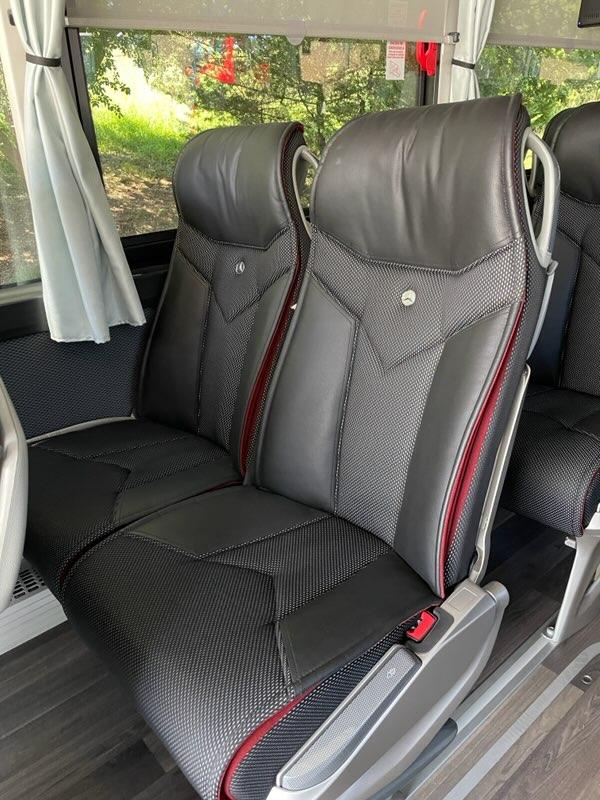
National Museum of Mathematics New York
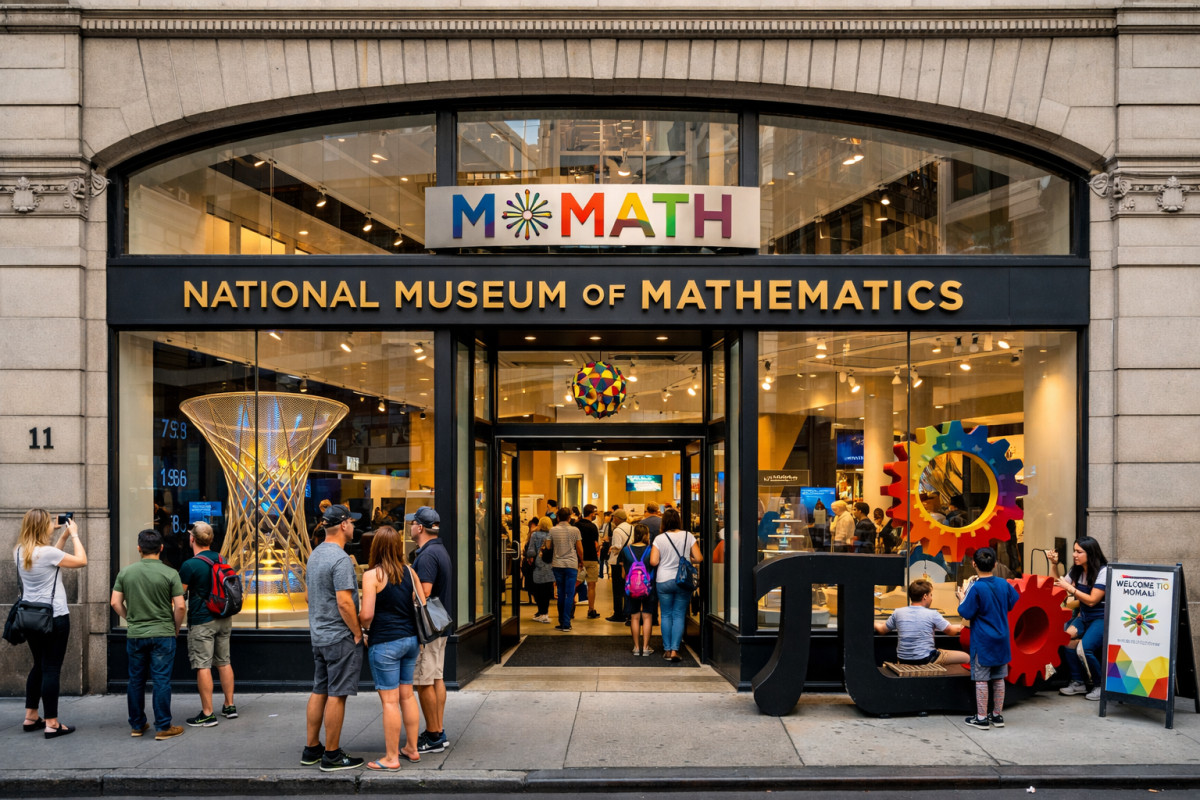
The National Museum of Mathematics in New York City stands as a vibrant testament to the beauty and utility of mathematical principles, transforming abstract concepts into tangible, interactive experiences. It's a place where curiosity is sparked, and every exhibit invites visitors of all ages to engage directly with the wonders of numbers, shapes, and patterns. Far from being a traditional gallery of static displays, MoMath is an immersive playground designed to unveil the fascinating, often hidden, mathematical structures that underpin our world.
Every corner of the museum offers a unique entry point into mathematical exploration, from the moment one steps inside. The atmosphere is charged with a sense of playful inquiry, encouraging hands-on experimentation and problem-solving. It dismantles the common misconception that mathematics is confined to textbooks and classrooms, revealing it as a dynamic, evolving field that is both accessible and profoundly captivating.
A dynamic realm of discovery
MoMath thrives on participation, offering a rich tapestry of exhibits that challenge perceptions and foster an intuitive understanding of complex ideas. The museum redefines what it means to interact with mathematics, moving beyond simple equations to explore the elegance and power inherent in its various forms. Each station is meticulously crafted to be both educational and immensely entertaining, ensuring that lessons are absorbed through laughter and discovery.
Mathematics is not about numbers, equations, computations, or algorithms: it is about understanding.
This commitment to deep engagement makes MoMath a standout destination. It’s a place where visitors aren't just observing, but are actively constructing their own understanding of mathematical phenomena, making the learning process deeply personal and memorable.
Riding the square-wheeled trike
One of the museum's most iconic and surprising exhibits is the square-wheeled trike. At first glance, the idea of riding a bicycle with square wheels seems utterly absurd, promising a jarring and impossible journey. Yet, visitors are invited to climb aboard and experience a remarkably smooth ride across a specially designed track. The secret lies in the track itself, which is not flat but a series of inverted catenary curves, precisely engineered to meet the flat sides of the square wheels at just the right points.
This exhibit brilliantly illustrates the concept of constant width and the elegance of mathematical curves, demonstrating how a seemingly impossible feat becomes perfectly smooth through clever application of geometry. It’s a powerful, tangible example of how mathematical principles can defy intuition and reveal unexpected solutions, leaving a lasting impression on everyone who takes a spin.
The captivating wall of fire
The Wall of Fire is a breathtaking visual spectacle that mesmerizes with its display of light and motion, but beneath its beauty lies a profound mathematical concept. This exhibit features an array of rotating rods, each capable of creating an illusion of fluid, undulating shapes when viewed from different angles. As the rods spin, they collectively trace out elegant curves and surfaces, seemingly defying their individual rigid linearity.
This kinetic sculpture showcases how discrete elements can, when arranged and moved in a specific mathematical way, approximate continuous forms. It demonstrates the principle of ruled surfaces, illustrating how complex shapes like hyperboloids can be generated by straight lines. The Wall of Fire is not just visually stunning; it's a dynamic lesson in geometry, projection, and the interplay between discrete and continuous mathematical worlds.
Experiencing the math square
The Math Square invites visitors into an expansive, interactive floor projection where physical movement translates into mathematical exploration. This innovative exhibit uses motion sensors to track participants, allowing them to solve puzzles, generate geometric patterns, and play games simply by stepping and moving across the illuminated grid. It transforms the entire floor into a canvas for collaborative mathematical play, making abstract concepts concrete and immediate.
Whether creating tessellations, navigating mazes, or interacting with dynamic algorithms, the Math Square provides a communal space for discovery. It underscores the idea that mathematics is not just about individual calculation but can also be a shared, physical, and engaging experience. This exhibit masterfully blurs the lines between physical activity, digital interaction, and deep mathematical thinking, appealing to all learning styles.
Typical bus rental prices:
| Bus Type | Per Hour | Per Day |
|---|---|---|
| 56-Passenger | $165 – $200 | $1,450 – $1,950 |
| Luxury Van | $100 – $125 min 6 hours | $1,100 – $1,250 10 hours |
Engaging with geometric wonders
Beyond the initial awe-inspiring exhibits, MoMath continues to unfold as a treasure trove of interactive challenges and visual delights. The museum continuously updates and refines its offerings, ensuring that each visit presents new opportunities for learning and enjoyment. These exhibits are thoughtfully designed to reveal the inherent beauty and utility of mathematics in various contexts, from nature to technology.
The only way to learn mathematics is to do mathematics.
This ethos permeates every display, encouraging direct interaction and experimentation rather than passive observation. The hands-on nature of the museum ensures that abstract mathematical concepts become tangible, understandable, and, most importantly, fun.
Harmonizing at the human tree
The Human Tree exhibit offers a unique blend of physical interaction and pattern recognition, demonstrating the principles of fractals and branching structures found throughout nature. Participants stand on pressure-sensitive pads arranged in a branching pattern, and as more people join, the exhibit illuminates to show the growth and complexity of a mathematical tree. The pathways light up, illustrating how simple rules can generate intricate and beautiful patterns.
This exhibit is a fantastic way to understand concepts like self-similarity and recursive patterns, which are fundamental to fractals. It shows how mathematics can model the organic growth seen in trees, rivers, and even circulatory systems. The Human Tree is a collaborative experience that visually brings to life the often-abstract world of fractal geometry, making it accessible and deeply engaging for groups.
Navigating the enigma cafe
For those who enjoy a mental workout, the Enigma Cafe provides a dedicated space filled with brain teasers, puzzles, and mathematical games that can be explored at a more leisurely pace. This area is designed to foster critical thinking and problem-solving skills in a relaxed, informal setting. From intricate tiling puzzles to logical challenges, the cafe offers a diverse array of activities that cater to different interests and skill levels.
It's a perfect spot to unwind while still engaging with mathematical concepts. The Enigma Cafe reinforces the idea that mathematics can be a source of intellectual recreation and a delightful challenge, proving that complex thinking can be thoroughly enjoyable. It’s a testament to the museum’s commitment to making mathematics an approachable and engaging subject for everyone.
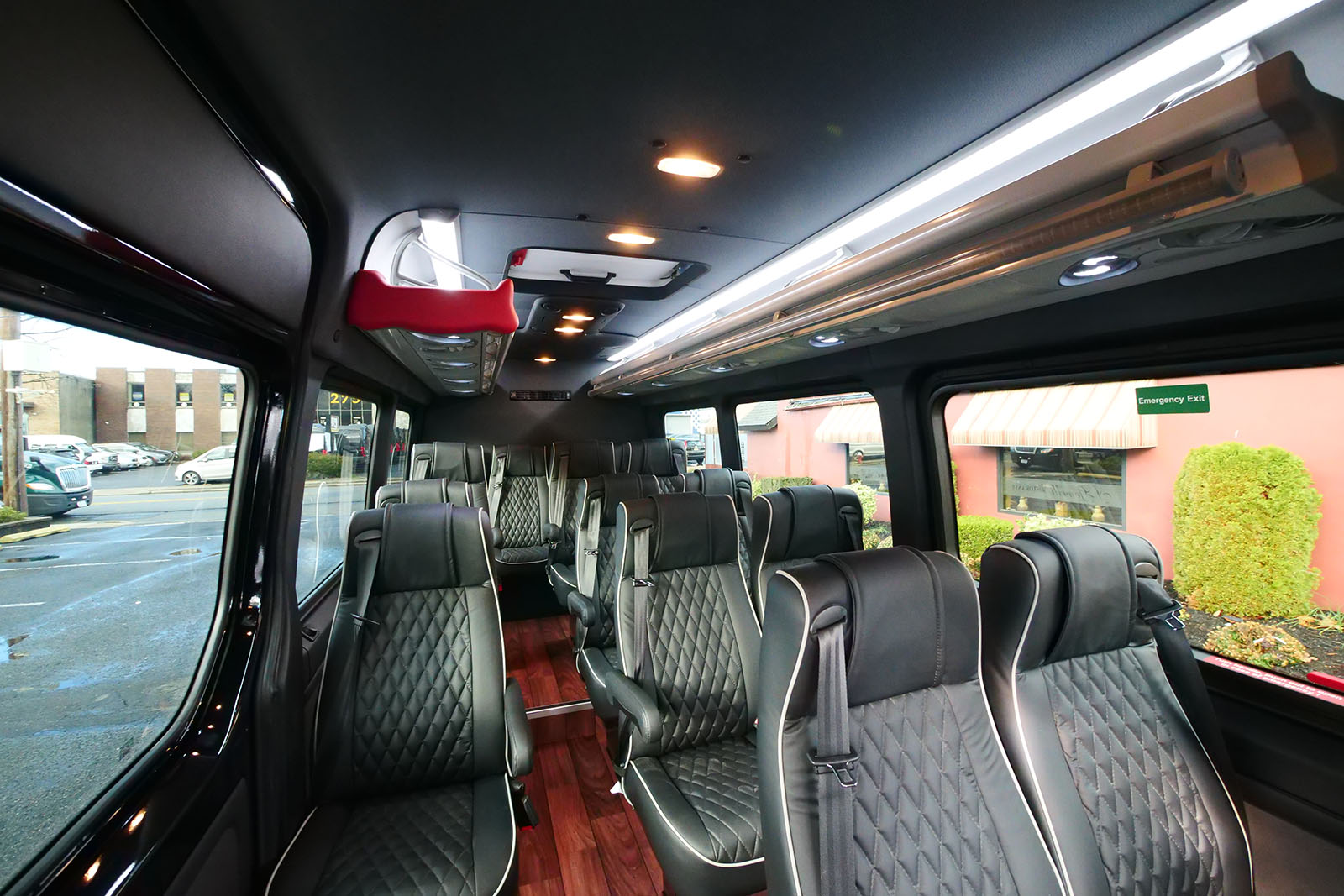
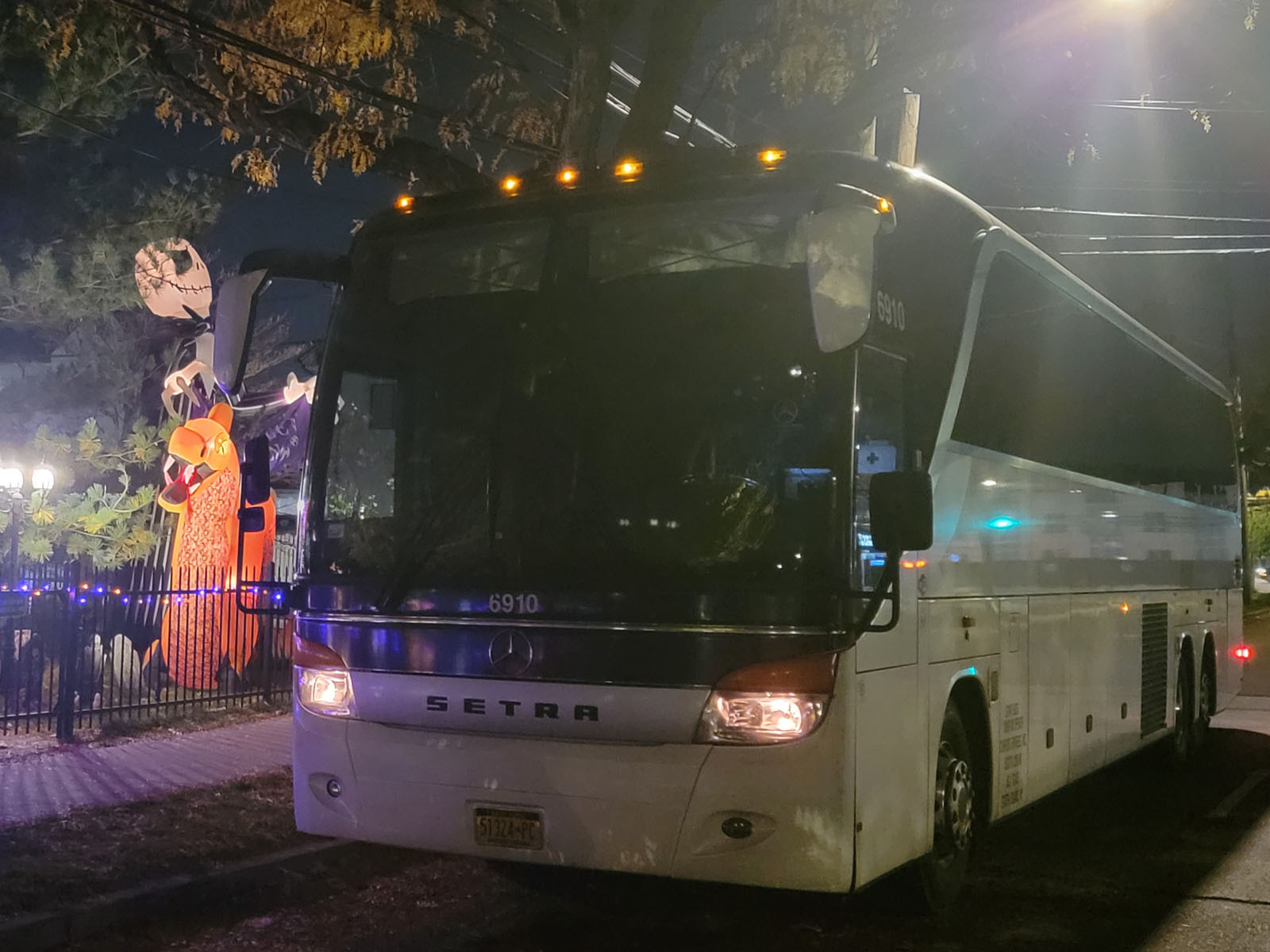
For groups planning an immersive day out at MoMath, seamless transportation is key to ensuring a stress-free and enjoyable experience. Whether it's a school field trip, a corporate outing, or a family reunion, navigating New York City with a large group can be challenging. Consider opting for a comfortable and convenient Bus Rental service, allowing everyone to travel together efficiently and arrive refreshed, ready to dive into the mathematical wonders of the museum. A charter bus offers flexibility, comfort, and the ease of coordinated travel, making your visit to MoMath even more memorable.
Popular Bus Types




Practical details for your visit
Planning your trip to MoMath is straightforward, with various options for admission and easy access from major parts of New York City. The museum is designed to be accessible and welcoming to all visitors, ensuring that everyone can partake in its unique brand of mathematical exploration.
Approximate admission pricing
The following table provides an estimated guide for ticket prices. Please note that prices are subject to change, and it is always advisable to check the official MoMath website for the most current information and to book tickets in advance, especially for groups.
| Visitor Category | Approximate Price |
|---|---|
| Adults (13+) | $20.00 |
| Children (2-12) | $15.00 |
| Seniors (65+) | $18.00 |
| Students (with valid ID) | $18.00 |
| Groups (10+ people) | $16.00 per person |
Special discounts may be available for military personnel, first responders, and various membership programs. Keep an eye on their website for promotional offers or free admission days.
Reaching MoMath from downtown Manhattan
MoMath is conveniently located at 11 East 26th Street, New York, NY 10010, placing it easily accessible from various parts of Manhattan. For visitors coming from downtown areas, public transportation offers the most efficient way to reach the museum.
- By Subway
- Take the N, R, or W trains to the 28th Street Station. From there, it's a short walk south on Broadway, then east on 26th Street.
- Alternatively, take the 6 train to the 28th Street Station. Walk south on Park Avenue South, then west on 26th Street.
- The Q train to 28th Street Station is also an option, requiring a similar short walk.
- By Bus
- Several bus lines serve the area, including the M1, M2, M3, and M5, which run along Madison Avenue and Fifth Avenue, and the M23, which runs crosstown on 23rd Street. Check local MTA schedules for the most suitable route and stop nearest to 26th Street.
- Walking or Taxi/Rideshare
- Depending on your exact starting point in downtown Manhattan, a pleasant walk through vibrant neighborhoods like Flatiron District or Gramercy Park might be an option. Taxis and rideshare services are readily available throughout the city for a direct route.
Allow ample time for travel, especially during peak hours, to ensure a relaxed arrival and maximize your exploration of MoMath's captivating exhibits.
Photo Gallery




Frequently Asked Questions
What is the National Museum of Mathematics (MoMath)?
Does MoMath offer any special programs or educational events?
Can I purchase tickets to MoMath in advance online?
How can I get to MoMath using public transportation?
Is MoMath suitable for children and families?
What kind of exhibits can I find at MoMath?
How much does admission to MoMath cost?
What are the typical operating hours for MoMath?
Where is MoMath located in New York City?
Is MoMath accessible for visitors with disabilities?
Read Also








OUR FLEET
Our Buses
Explore our modern, comfortable and well-maintained charter bus fleet.