New York City Fire Museum
The museum's essential spirit
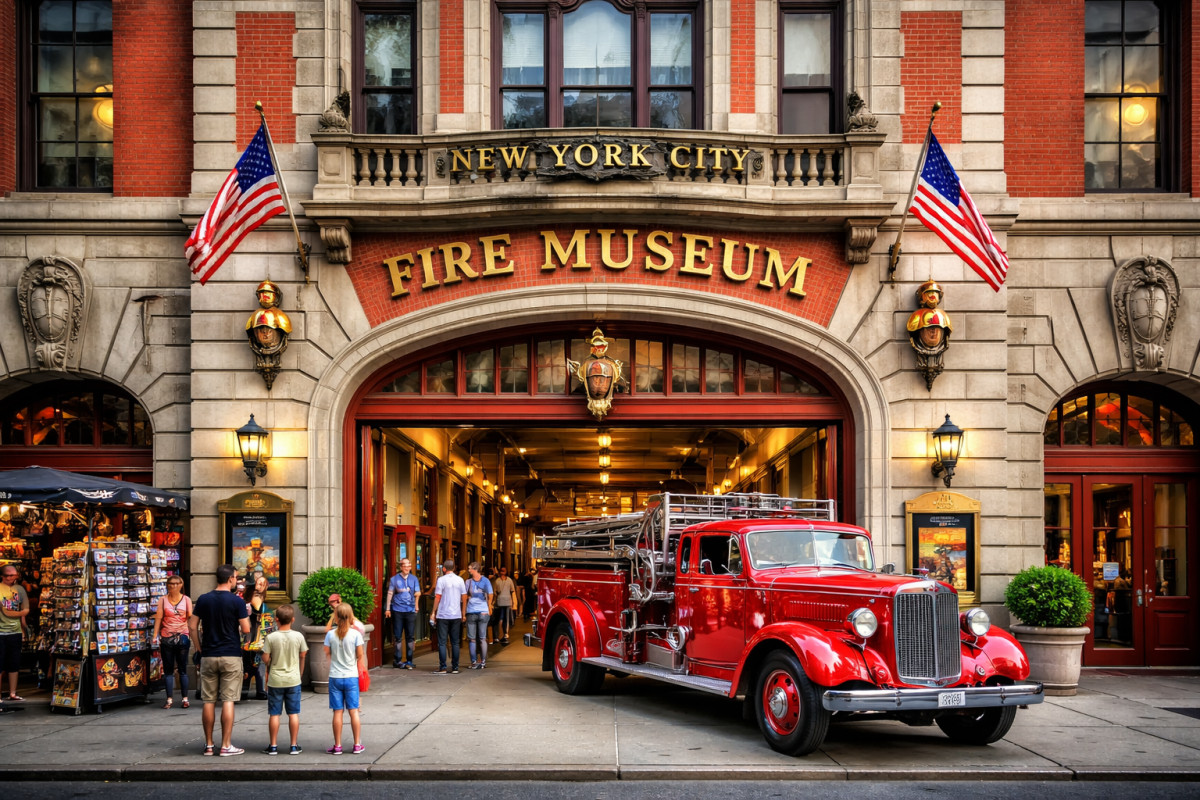
Stepping into the New York City Fire Museum is an immersive journey into the very heart of civic courage and relentless dedication. This revered institution, housed in a beautifully preserved 1904 firehouse in SoHo, transcends a mere collection of artifacts; it is a vibrant tribute to the men and women of the Fire Department of New York (FDNY) and the enduring legacy of fire suppression in one of the world's most dynamic cities. Rather than focusing on a chronological narrative, the museum curates an emotional and educational experience, allowing visitors to grasp the sheer scale of the challenges faced by firefighters across generations and the profound innovations that have shaped their invaluable work. Every exhibit, from the earliest hand-drawn pumps to the solemn memorials, resonates with stories of bravery, sacrifice, and the unwavering commitment to public safety that defines the FDNY. It’s an exploration not just of equipment, but of the human spirit under pressure, illustrating how communities have consistently rallied to protect themselves from the destructive power of fire. The unique atmosphere within its historic walls instantly connects visitors to the gritty reality and heroic ideals of firefighting, providing a perspective often unseen in the bustling streets outside.
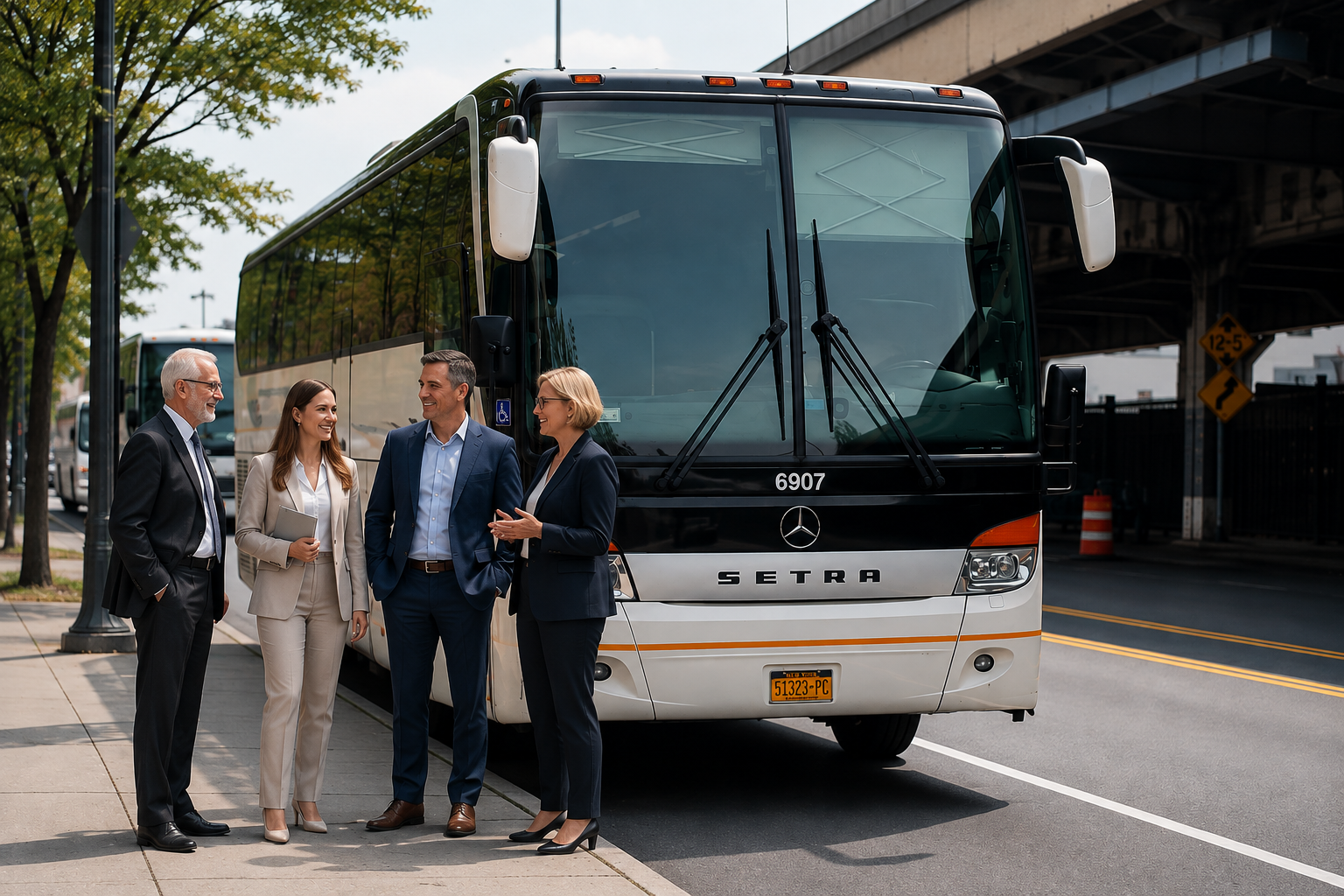
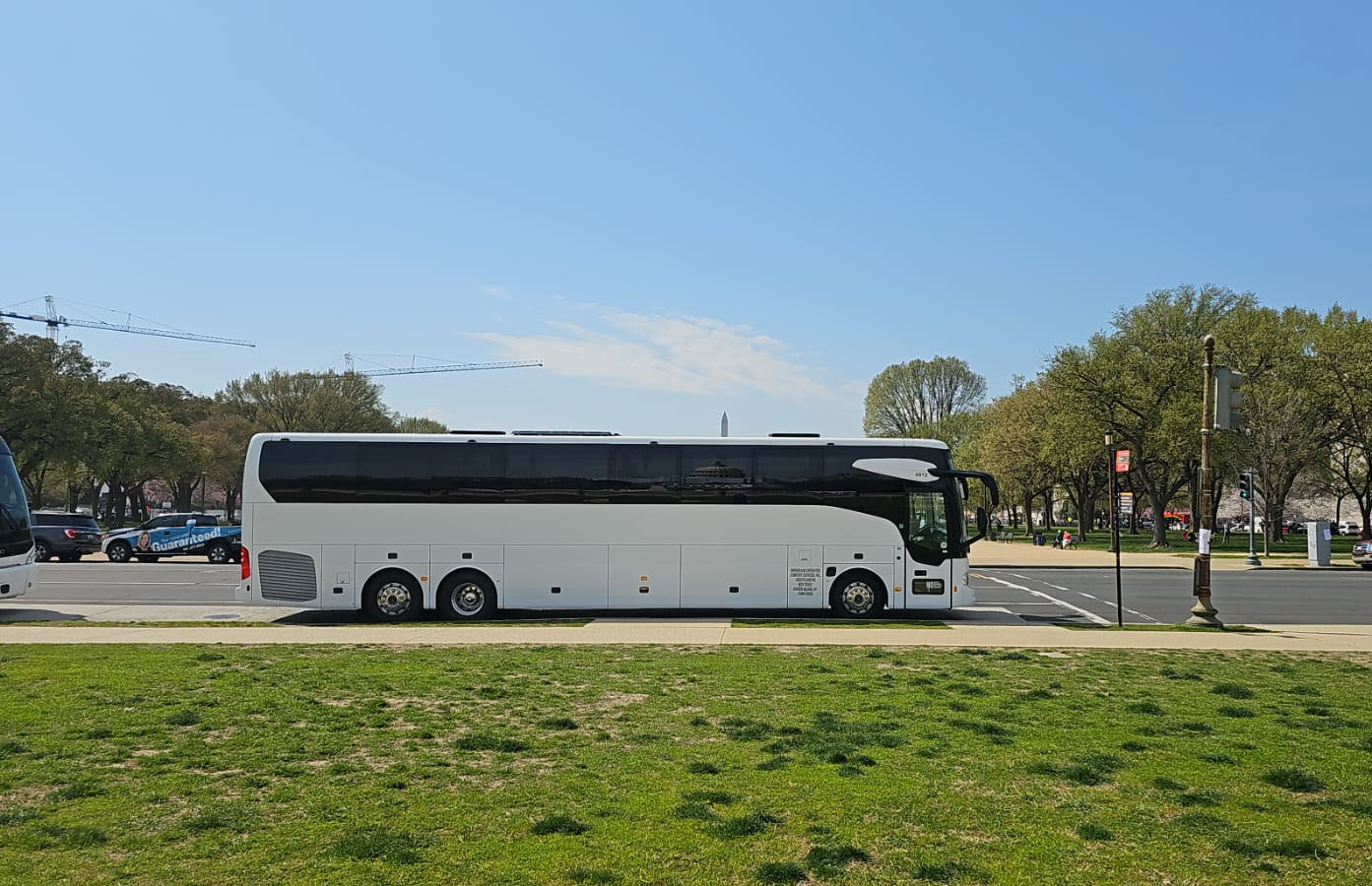
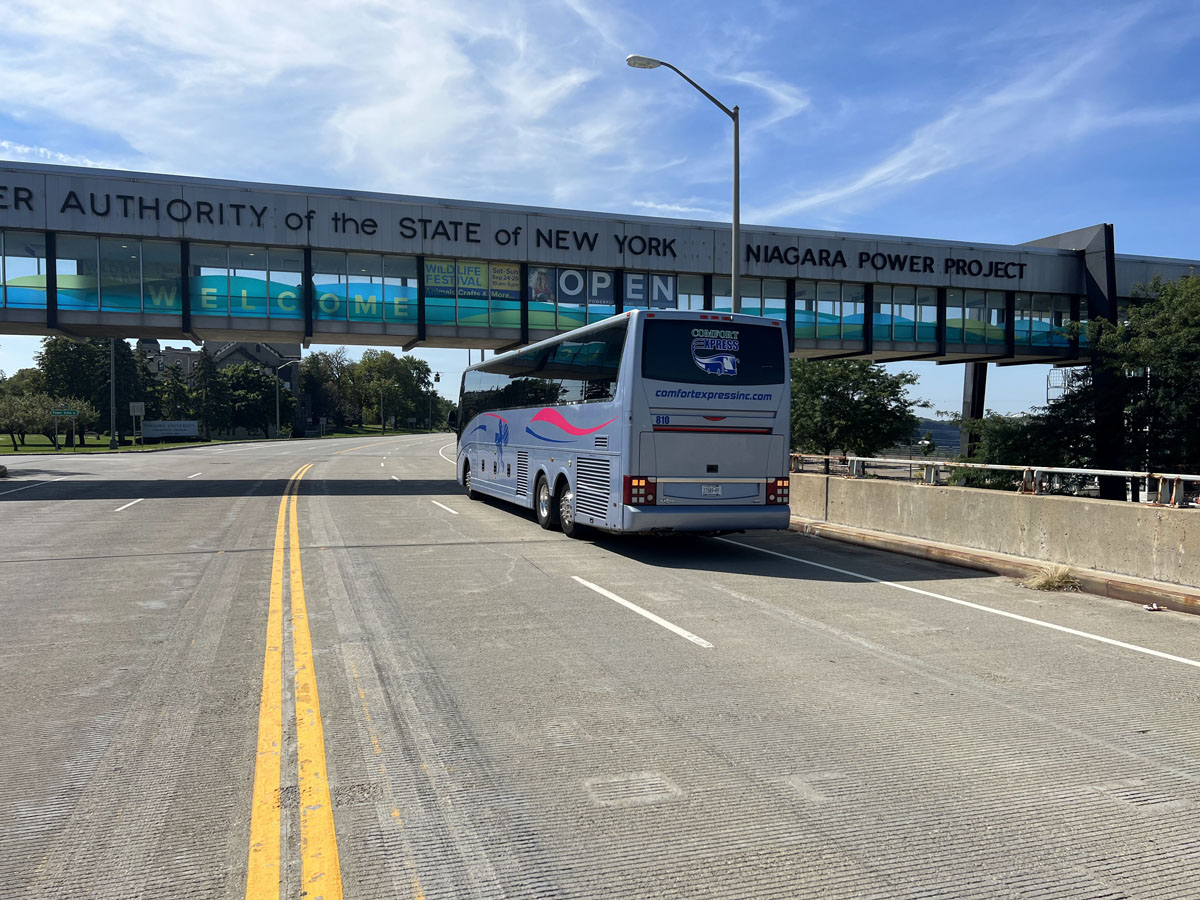
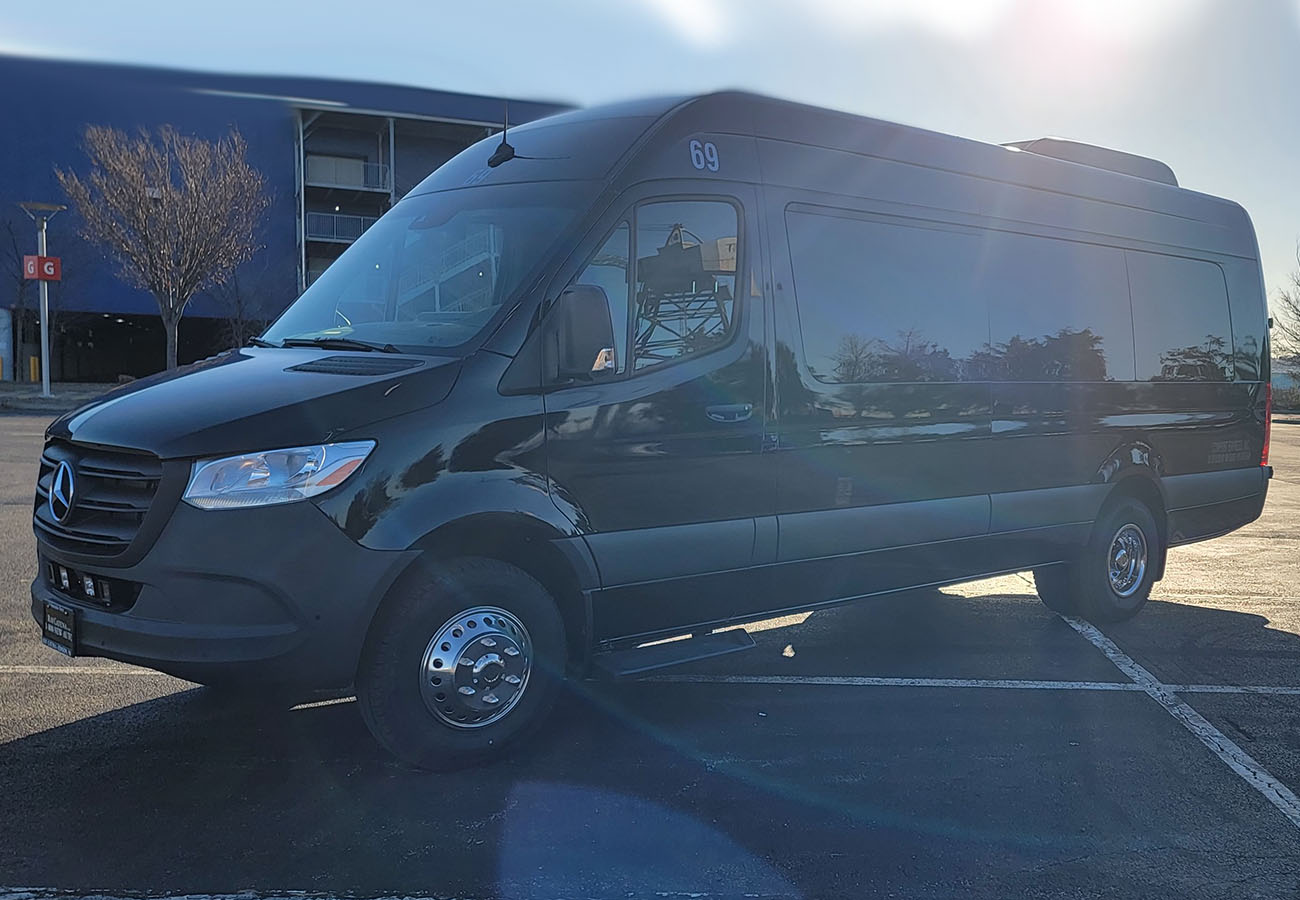
Typical bus rental prices:
| Bus Type | Per Hour | Per Day |
|---|---|---|
| 56-Passenger | $165 – $200 | $1,450 – $1,950 |
| Luxury Van | $100 – $125 min 6 hours | $1,100 – $1,250 10 hours |
A panorama of heroic tools
The museum's collection of historical apparatus offers a breathtaking visual timeline of firefighting technology, each piece telling its own compelling story of urban resilience.
Hand-drawn engines and early apparatus
Central to the ground floor's compelling display are the magnificent hand-drawn engines, some dating back to the late 18th and early 19th centuries. These beautifully restored pieces, crafted from wood, brass, and leather, are not just functional relics but works of art, reflecting the meticulous craftsmanship of their era. Visitors can observe the complex pump mechanisms and the sheer physical effort required by volunteer firemen to transport and operate them. Adjacent to these are earlier, simpler tools like leather buckets and long hooks used for tearing down burning structures, illustrating the rudimentary yet ingenious methods employed before advanced machinery existed. The intricate details on these hand-pumpers, such as ornate carvings and polished brasswork, speak volumes about the pride and community investment in these vital life-saving machines. Each engine carries the silent weight of countless emergencies it once responded to, echoing the frantic energy of a bygone New York.
Steamers and motorized marvels
Moving through the decades, the museum proudly showcases its impressive collection of steam-powered pumpers. These magnificent machines, with their towering boilers and gleaming engines, represent a significant leap in firefighting capability, marking the transition from human and animal power to mechanical force. The scale and complexity of these steamers, some capable of throwing torrents of water hundreds of feet, highlight a pivotal moment in the professionalization of fire departments. Beyond the steamers, the exhibition continues with the advent of motorized apparatus, featuring early 20th-century fire trucks that combine the robust power of internal combustion engines with increasingly sophisticated pumping and ladder systems. These motorized vehicles, some recognizable by their classic red paint and intricate ladders, demonstrate how quickly technology transformed the speed and efficiency of fire response, forever changing the urban landscape of emergency services.
Specialized gear and equipment
Beyond the large apparatus, the museum dedicates substantial space to the evolution of personal protective equipment and specialized tools. Early fire helmets, crafted from leather, stand in stark contrast to the modern composite designs, showcasing a continuous quest for enhanced safety. Axes, nozzles, breathing apparatus, and communication devices, all meticulously displayed, illustrate the ever-adapting arsenal of a firefighter. Each item, from the weighty brass nozzles to the early self-contained breathing apparatus, underscores the dangerous environments firefighters have navigated and the ingenuity applied to mitigate risks. These smaller artifacts, though less imposing than the engines, provide an intimate glimpse into the daily challenges and the continuous technological advancements aimed at protecting those who protect us.
Popular Bus Types




The evolution of fire suppression
The museum thoughtfully guides visitors through the incremental yet profound changes in how fires have been fought and prevented over centuries.
From buckets to advanced systems
The narrative of fire suppression begins with the most basic human effort: organized bucket brigades. Exhibits illustrate how communities initially relied on collective, labor-intensive methods to combat flames. This foundational understanding sets the stage for the dramatic technological leaps that followed. The introduction of hand-drawn engines, then steam-powered pumps, and eventually motorized apparatus, isn't just a display of vehicles but a testament to humanity's persistent struggle against fire. The museum details the shift from rudimentary water delivery to high-pressure systems, illustrating how the sheer volume and force of water deployment dramatically increased over time, making it possible to combat larger, more intense urban conflagrations.
Technological advancements in safety
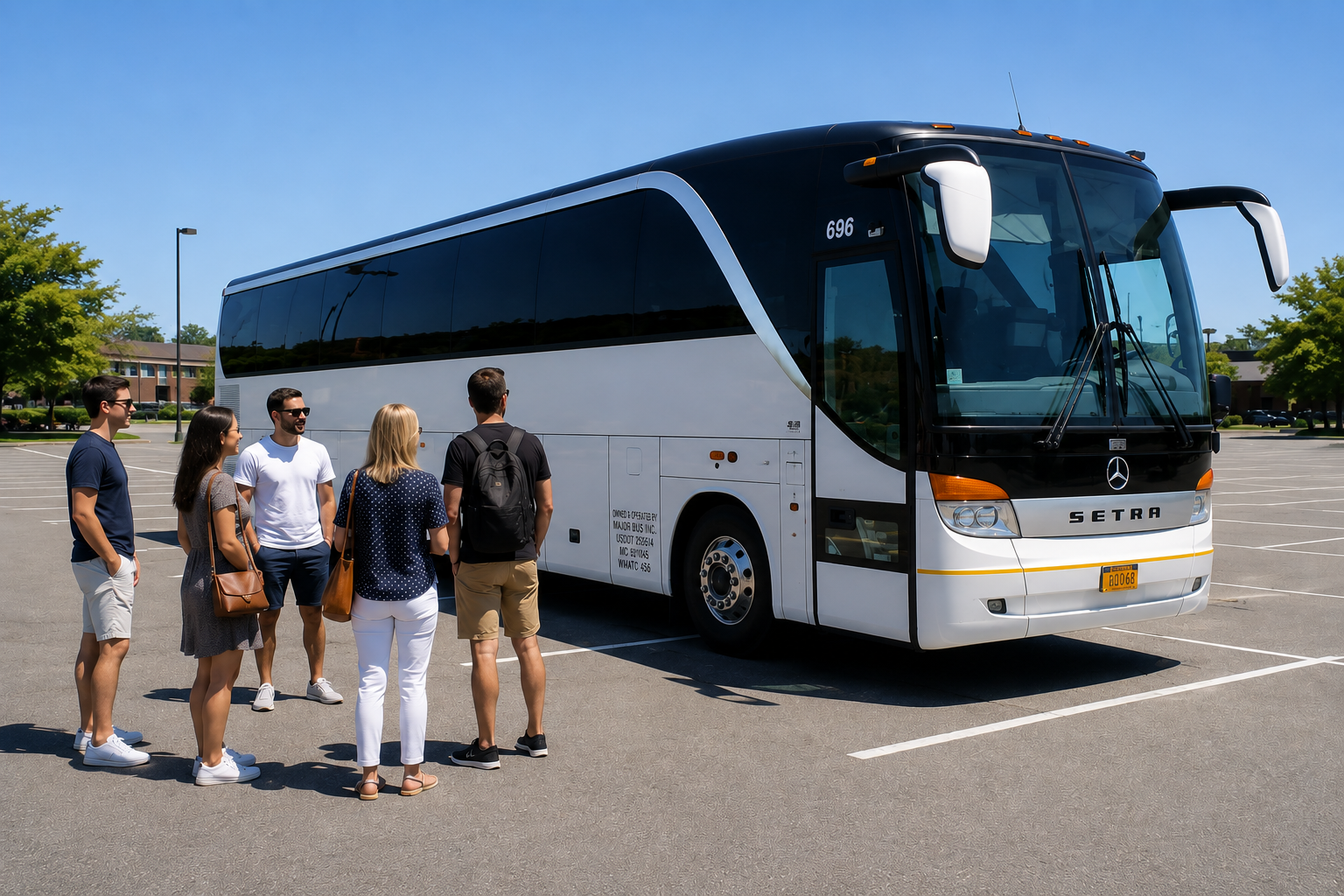
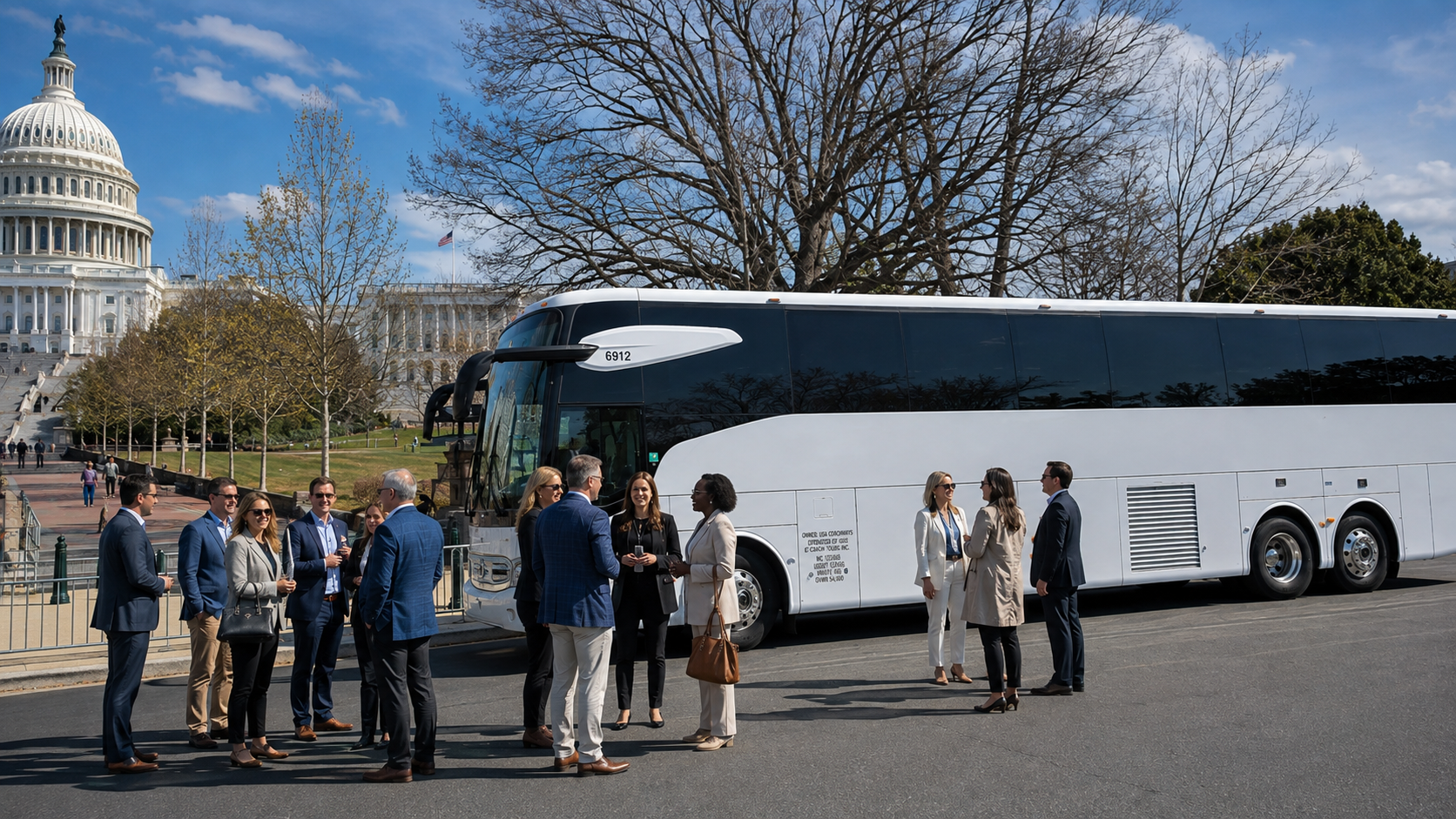
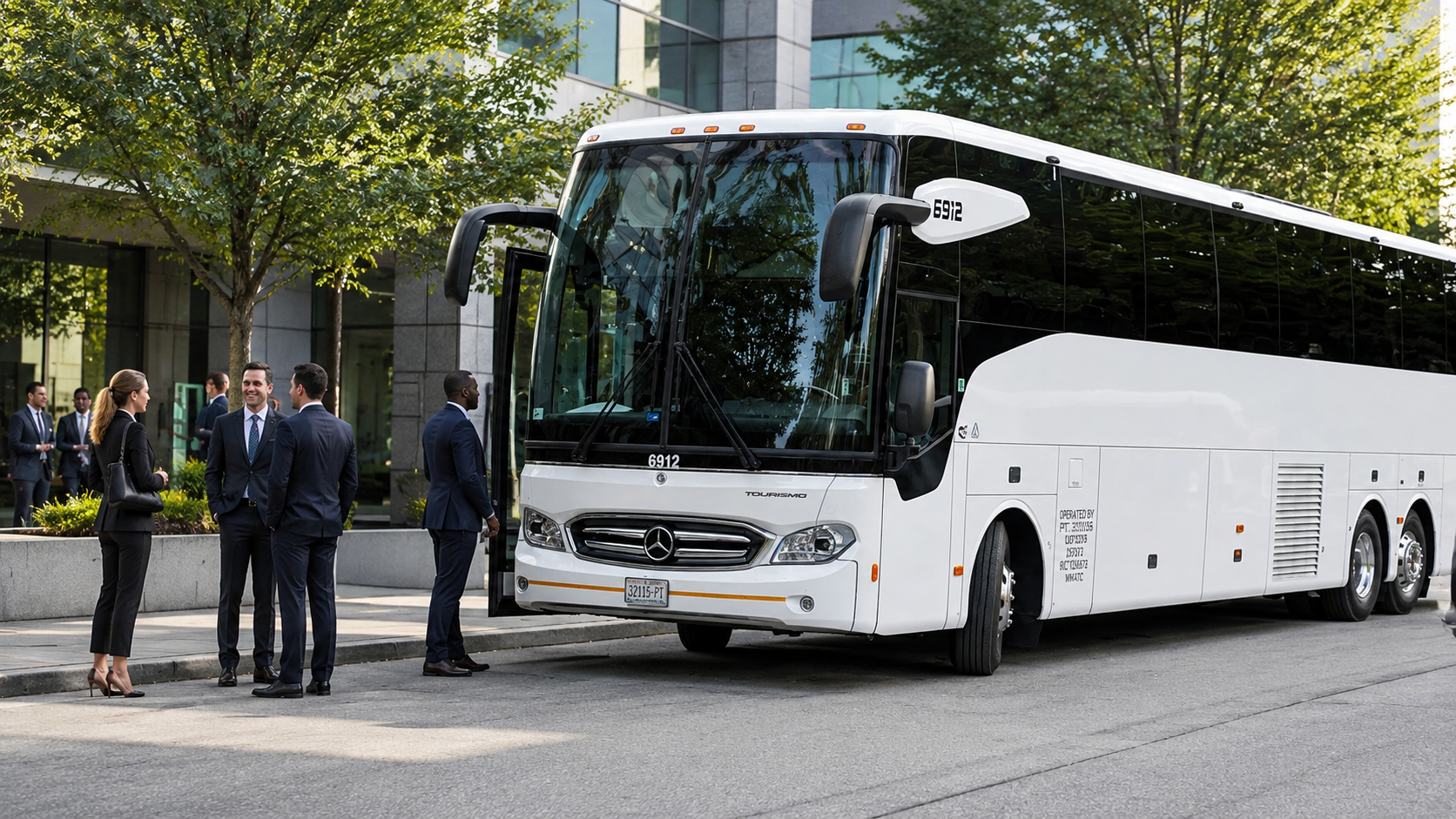
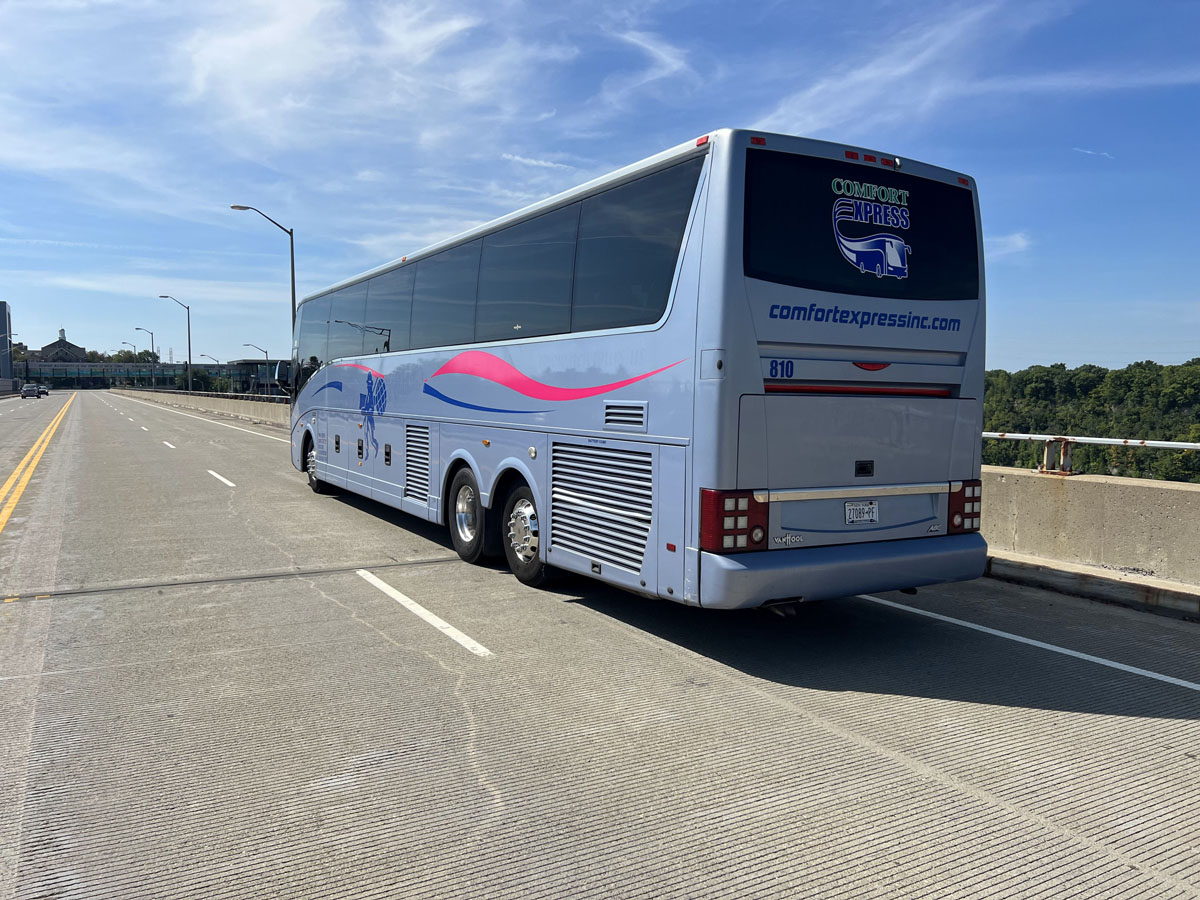
Beyond active suppression, the museum also highlights the crucial role of technological advancements in firefighter safety and operational efficiency. Displays showcase the evolution of communication systems, from early alarm bells and telegraphs to modern radio dispatch. The development of self-contained breathing apparatus (SCBA) is particularly emphasized, demonstrating how firefighters gained the ability to penetrate smoke-filled environments, a capability that revolutionized interior firefighting tactics. Furthermore, the progression of fire safety codes and building materials, though not always directly exhibited as artifacts, is subtly woven into the context of the evolving equipment, underscoring a holistic approach to fire prevention and protection that has shaped urban development. For group excursions, consider the unmatched convenience and comfort of a charter bus. A group trip ensures everyone arrives together, stress-free, and ready to explore. For seamless travel planning, visit Bus Rental.
Photo Gallery

Remembering valor and sacrifice
A profound and deeply moving section of the museum is dedicated to honoring the firefighters who have made the ultimate sacrifice. This solemn area is a powerful reminder of the inherent dangers of the profession and the immeasurable cost of duty.
The memorial to fallen firefighters
The museum hosts a poignant memorial, a sacred space where the names of every FDNY member who has died in the line of duty are meticulously inscribed. This quiet, reflective area encourages visitors to pause and contemplate the immense bravery and selflessness that define the firefighting profession. The atmosphere here is one of respectful remembrance, providing a direct link to the human cost behind every emergency call. It serves as a stark reminder that while technology evolves, the courage and commitment of the individual firefighter remain the cornerstone of public safety.
Stories of bravery and duty
Throughout this section, smaller exhibits and commemorative plaques recount specific acts of heroism, detailing incredible rescues and harrowing incidents where firefighters demonstrated extraordinary valor. These narratives, often accompanied by photographs and personal effects, bring to life the human element of the FDNY's legacy. Visitors can read about individuals who faced impossible odds, offering a glimpse into the character and resilience that form the backbone of the department. These stories are not just historical accounts but powerful affirmations of the enduring spirit of service.
Post-9/11 artifacts
A particularly impactful display focuses on the tragic events of September 11, 2001. The museum houses artifacts recovered from the World Trade Center site, including a severely damaged fire truck and personal items belonging to firefighters who perished. This collection serves as a powerful and deeply emotional testament to the FDNY's role on that fateful day and the immense sacrifice made by so many. The 9/11 memorial within the museum is handled with immense sensitivity, honoring the fallen while also educating future generations about the bravery and profound loss experienced by the department and the city.
"The FDNY Fire Museum is a poignant reminder that while tools and tactics evolve, the unwavering courage of a firefighter remains timeless."
Interactive experiences and education
The museum understands that engaging all senses enhances understanding and appreciation, especially for its younger visitors.
Simulators and hands-on exhibits
While not an amusement park, the museum integrates certain interactive elements that deepen the learning experience. Younger visitors, in particular, often enjoy the opportunity to try on replica firefighting gear, giving them a tangible sense of the weight and bulk of a firefighter’s uniform. Some exhibits might feature siren buttons or levers that demonstrate the functionality of older equipment, allowing for a more hands-on engagement with the history of fire suppression. These interactive points help to bridge the gap between static displays and the dynamic reality of firefighting, making the history feel more immediate and accessible.
Educational programs for all ages
The New York City Fire Museum is also a hub for public education, offering programs that extend beyond the mere viewing of artifacts. While specific program schedules vary, the museum often hosts guided tours, educational workshops, and special events designed to teach fire safety and prevention to visitors of all ages. These programs frequently utilize the museum's extensive collection to illustrate key safety principles and highlight the importance of preparedness. Such initiatives underscore the museum’s dual role: preserving history and actively contributing to community safety through education, fostering a deeper understanding of fire risks and prevention strategies.
Planning your visit to the museum
To ensure a smooth and enriching experience, it's helpful to be aware of the museum's operational details and approximate costs.
Operating hours and general information
The New York City Fire Museum typically operates from Wednesday to Sunday, with specific hours often from 10:00 AM to 5:00 PM. It is always advisable to check their official website before your visit for the most current information, as hours and availability can change, especially around public holidays or for special events. The museum is located in a historic firehouse, making the building itself an integral part of the experience, offering a unique glimpse into architectural styles of early 20th-century civic structures.
Approximate admission prices
The museum strives to keep its collection accessible, offering various admission tiers.
| Category | Price (USD) |
|---|---|
| Adults | $10.00 |
| Seniors (62+) | $5.00 |
| Students (with ID) | $5.00 |
| Children (3-12) | $5.00 |
| Children (under 3) | Free |
| Active/Retired Military (with ID) | Free |
Please note these are approximate prices and are subject to change without prior notice. It’s always best to verify the latest pricing on the official museum website before your visit. Special group rates may also be available upon inquiry, offering a cost-effective option for larger parties wishing to explore the rich history of the FDNY together.
Navigating to the museum
The New York City Fire Museum's location in SoHo makes it easily accessible from most parts of Manhattan and beyond using public transportation.
Subway options
The most efficient way to reach the museum from Midtown Manhattan or other central areas is via the extensive subway system. Several lines offer convenient access:
- Take the C or E train to Spring Street Station. From there, it's a short, pleasant walk of about two blocks west to the museum on Spring Street.
- Alternatively, the 1 train stops at Houston Street Station. From Houston, walk south two blocks to Spring Street, then west a block to the museum.
- The A, B, C, D, E, F, and M trains also connect at West 4th Street – Washington Square, which is a slightly longer but still manageable walk north along Sixth Avenue and then west on Spring Street.
- If you're closer to the east side, the 6 train to Spring Street Station requires a slightly longer walk westward across Manhattan, offering an opportunity to experience more of the vibrant SoHo neighborhood.
Each route offers a glimpse of the city's unique charm as you make your way to this historic institution. The New York City subway is renowned for its speed and coverage, making it the preferred mode of transport for many visitors and locals alike, ensuring a direct and stress-free journey to the museum's doorstep.
Frequently Asked Questions
What is the New York City Fire Museum?
Can I book a group visit or a guided tour?
Is there a gift shop at the museum?
How can I get to the New York City Fire Museum using public transportation?
Is the museum accessible for visitors with disabilities?
What kind of exhibits can I expect to see?
How much is admission to the museum?
What are the museum's operating hours?
Where is the museum located?
Is the museum suitable for children?
Read Also

OUR FLEET
Our Buses
Explore our modern, comfortable and well-maintained charter bus fleet.