Prospect Park Zoo in Brooklyn, New York City
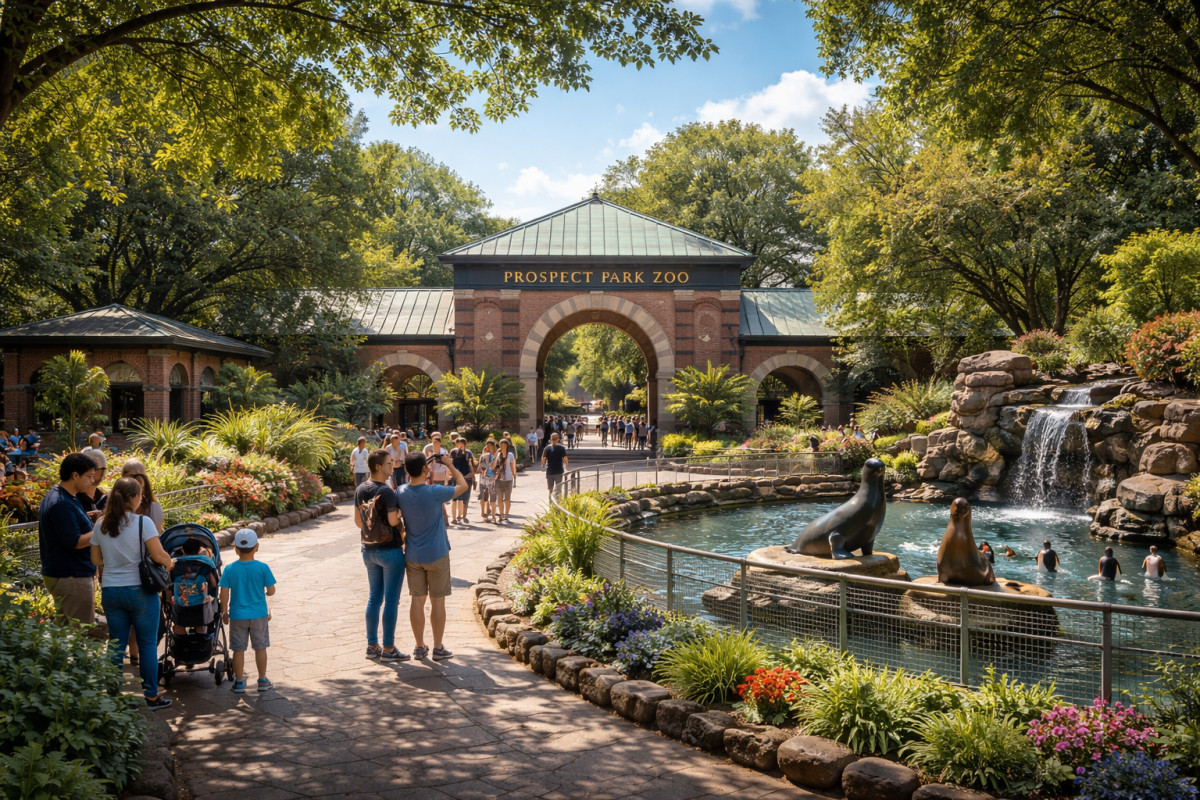
Discovering diverse ecosystems within Brooklyn
The Prospect Park Zoo, a cherished institution within the vibrant tapestry of Brooklyn, New York City, offers a captivating escape into the natural world. Far from being just another urban animal collection, this facility is designed to immerse visitors in diverse ecosystems, highlighting the incredible variety of life on Earth and the critical importance of conservation. Its compact yet thoughtfully designed layout ensures an intimate encounter with fascinating creatures, making it an ideal destination for families, nature enthusiasts, and anyone seeking a moment of wildlife wonder.
Animals of the world up close
One of the zoo’s most compelling features is its ability to transport guests across continents through meticulously crafted habitats. Visitors can journey from the arid landscapes of the Australian Outback to the dense forests of Asia, encountering a fascinating array of species along the way. The animals themselves are often selected for their unique adaptations, conservation status, or compelling behaviors, providing an enriching educational experience beyond mere observation.
Among the star residents, the red pandas captivate with their tree-climbing prowess and endearing fluffy tails. These charismatic creatures, native to the eastern Himalayas and southwestern China, offer a glimpse into the temperate forests of Asia. Their playful antics and striking coloration make them perennial favorites, embodying the delicate beauty of endangered species.
Nearby, the elusive Pallas's cats often steal the show with their distinctive flat faces and dense fur. Masters of camouflage in their native Central Asian steppes, these small wildcats are a rare sight and provide a unique opportunity to appreciate species adapted to extreme environments. The zoo’s commitment to providing spacious, naturalistic enclosures allows visitors to observe these animals in settings that closely mimic their wild homes, fostering a deeper connection and understanding.
Another highlight is the vibrant habitat dedicated to Australian wildlife, featuring wallabies and emus. This section transports visitors to the unique continent, showcasing the distinct evolutionary paths taken by species in isolation. Observing these marsupials and flightless birds in their simulated native environments offers insights into global biodiversity.
The farm animal exhibit provides a more familiar, yet equally engaging, experience, particularly for younger children. Here, traditional domestic animals such as sheep, goats, and alpacas offer opportunities for interaction and learning about agricultural life and the origins of domesticated species. This area often serves as an interactive hub, allowing children to connect with animals on a more personal level.
Engaging educational encounters
The Prospect Park Zoo goes beyond showcasing animals; it actively engages visitors in learning about the natural world. Through various programs and interpretive signage, the zoo strives to educate the public about wildlife conservation, ecological principles, and the importance of protecting biodiversity. Zookeepers often conduct informal talks and feeding demonstrations, providing firsthand insights into animal care, behavior, and the challenges faced by their wild counterparts.
Interactive exhibits are strategically placed throughout the zoo, encouraging hands-on learning and critical thinking. These elements are designed to appeal to all ages, from simple sensory experiences for toddlers to thought-provoking displays for older visitors, all aimed at fostering a greater appreciation for wildlife. The zoo's educational philosophy emphasizes curiosity and discovery.
The Animal Lifestyles building, for instance, delves into the fascinating adaptations animals develop to thrive in their specific habitats. This indoor exhibit is particularly valuable during inclement weather, offering a climate-controlled environment to explore nocturnal creatures, reptiles, and amphibians, revealing the secret lives of species often overlooked. It highlights the intricate relationships between animals and their environments.
The Prospect Park Zoo is a living classroom, where every exhibit tells a story of survival, adaptation, and the urgent need for conservation.
A haven for wildlife and learning
As part of the Wildlife Conservation Society (WCS), the Prospect Park Zoo contributes to a broader mission of protecting wildlife and wild places around the globe. This affiliation underscores its role not just as a local attraction, but as a participant in worldwide conservation efforts. The animals housed here often represent species that are part of breeding programs designed to ensure genetic diversity and support wild populations.
Conservation efforts at the zoo
The zoo's commitment to conservation extends beyond its physical boundaries. Through educational initiatives, it promotes sustainable practices and raises awareness about environmental issues such as habitat loss, climate change, and illegal wildlife trade. Visitors are encouraged to consider their own impact on the planet and empowered to take action in their daily lives to support wildlife.
Every visit to the Prospect Park Zoo indirectly supports these vital conservation programs, contributing to research, rescue, and rehabilitation efforts both locally and internationally. The zoo serves as an ambassador for wildlife, giving a voice to species that might otherwise be forgotten. It's a place where science meets public engagement.
Family friendly attractions and amenities
Recognizing its role as a community resource, the Prospect Park Zoo prioritizes a family-friendly experience. Pathways are stroller-accessible, and numerous rest areas are available. Beyond the animal exhibits, there are often seasonal activities, special events, and opportunities for children to engage in imaginative play within designated areas. These features make it an ideal outing for families with children of all ages, ensuring a comfortable and enjoyable visit for everyone.
A gift shop offers a range of wildlife-themed merchandise, providing an opportunity to take home a souvenir while also supporting the zoo's mission. Food and beverage options are available, ensuring that visitors can refresh and refuel during their exploration. These amenities are designed to enhance the overall visitor experience, making a day at the zoo as convenient as it is captivating.
Planning your visit to Prospect Park Zoo
To maximize your experience at the Prospect Park Zoo, a little planning can go a long way. The zoo typically opens at 10:00 AM, though closing times vary seasonally, so it is advisable to check the official website for current hours of operation before your visit. Weekday mornings often offer a less crowded experience, allowing for more intimate viewing of the animals.
What to see and experience
Beyond the primary animal exhibits, make sure to look for scheduled keeper talks or animal feeding times. These events provide deeper insights into animal behavior, conservation challenges, and the daily lives of the zoo's residents. They offer a dynamic and informative addition to simply viewing the exhibits.
The sea lion pool is another perennial favorite, with regular demonstration times showcasing the agility and intelligence of these aquatic mammals. The energetic splashes and playful interactions of the sea lions are always a crowd-pleaser and offer a refreshing contrast to the more serene land exhibits. It’s an opportunity to witness incredible animal athleticism.
For those interested in the smaller, often overlooked inhabitants of our world, the Discovery Center provides an engaging indoor space with invertebrates, reptiles, and amphibians, often with interactive elements perfect for curious minds. This building is a treasure trove of biodiversity, highlighting creatures vital to their ecosystems.
Each visit offers a new perspective, a fresh encounter, and a deeper appreciation for the wild beauty that thrives even within the urban landscape of New York City.
Essential visitor information
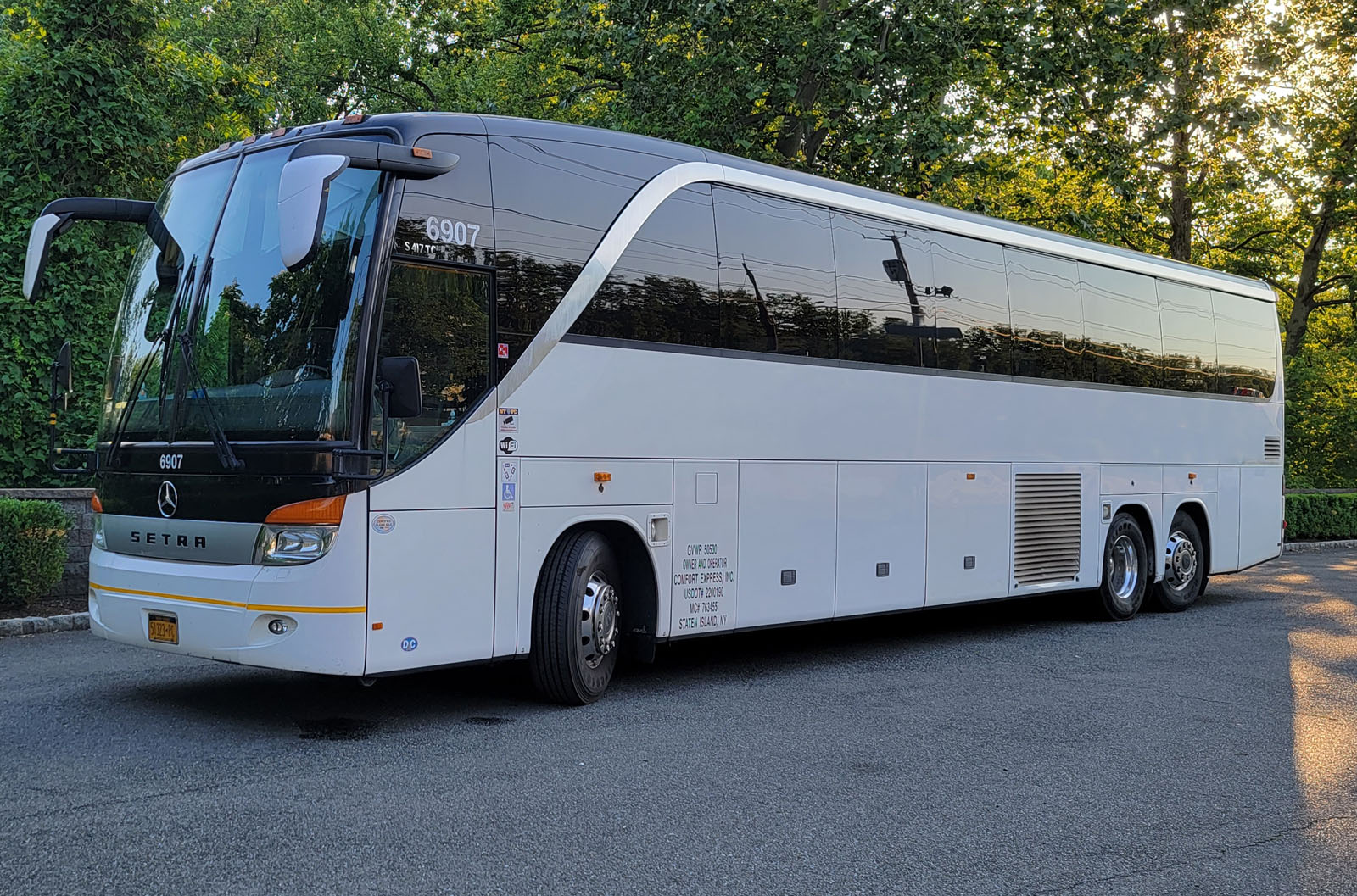
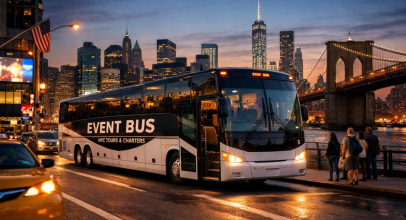
Considering a group outing to Prospect Park Zoo? For schools, community groups, or family reunions, coordinating transportation can be a breeze. Instead of navigating public transit or parking multiple vehicles, opt for a seamless, comfortable journey.
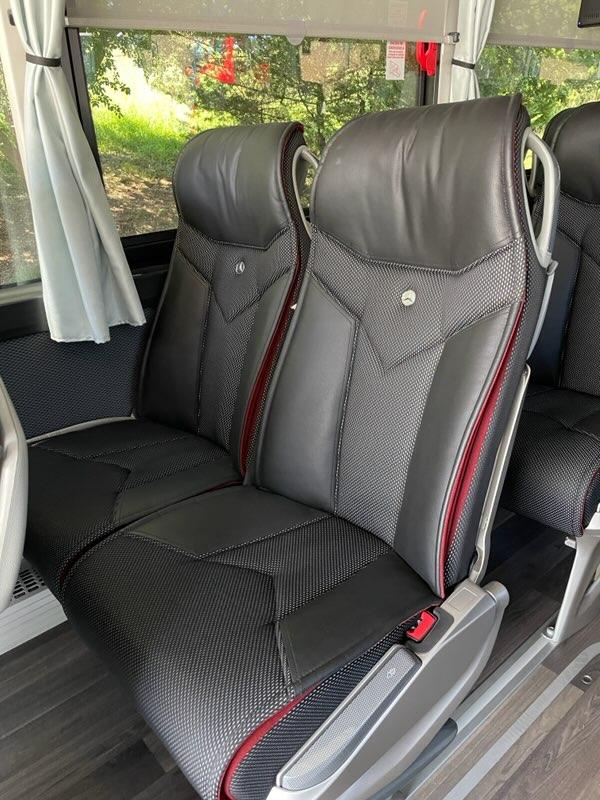
A dedicated Bus Rental service can provide reliable transportation, allowing everyone to arrive together and enjoy the day stress-free. From comfortable seating to professional drivers, it's an ideal solution for a convenient and enjoyable group trip to the heart of Brooklyn.
Restrooms and accessible facilities are available throughout the zoo, ensuring comfort for all guests. Maps are usually provided at the entrance or can be downloaded beforehand, helping visitors navigate the various exhibits and plan their route efficiently. Don't forget to wear comfortable walking shoes, as you'll be covering a fair bit of ground.
Getting there from Manhattan
Reaching the Prospect Park Zoo from central Manhattan is straightforward using New York City's extensive public transportation system. The subway is generally the most efficient method of travel.
- Subway Q train The Q train (yellow line) provides direct service to Prospect Park. Exit at the Prospect Park station. From there, the zoo entrance is a short, pleasant walk through the park itself, approximately 5-10 minutes
- Subway B train The B train (orange line) also serves the Prospect Park station. Follow the same walking directions through the park
- Subway S train (Franklin Avenue Shuttle) For those coming from other parts of Brooklyn or connecting from other lines, the S shuttle also stops at Prospect Park, offering another convenient option
- Bus options Several MTA bus routes serve the perimeter of Prospect Park, with stops reasonably close to the zoo entrance. Popular routes include the B16, B41, and B43. Check the MTA website or a mapping application for the most current bus schedules and stop locations relative to your starting point
- Driving and parking While driving is an option, parking near Prospect Park Zoo can be limited, especially on weekends and holidays. Metered street parking is available on some surrounding streets, but a dedicated zoo parking lot is not typically provided. Public transportation is highly recommended
Admission and access for all
Admission prices are designed to be accessible, with varying rates for adults, children, and seniors. These prices contribute directly to the zoo's operational costs, animal care, and conservation programs, making every ticket a contribution to wildlife preservation.
Approximate Admission Prices
| Category | Approximate Price |
|---|---|
| Adults (13-64) | $10-$15 |
| Children (3-12) | $7-$10 |
| Seniors (65+) | $8-$12 |
| Children (2 and under) | Free |
Please note these are approximate prices and are subject to change. It is always best to verify the current admission fees and any potential discounts or special offers directly on the official Prospect Park Zoo website before your visit. Membership to the Wildlife Conservation Society often includes free admission to Prospect Park Zoo, as well as the Bronx Zoo, Central Park Zoo, Queens Zoo, and New York Aquarium, providing excellent value for frequent visitors or New York City residents.
The zoo is committed to accessibility, with pathways and facilities generally designed to accommodate wheelchairs and strollers. Specific accessibility information can be found on the zoo's website for those with particular needs. Their goal is to make the wonder of wildlife accessible to everyone, fostering a universal connection to the natural world.
Read Also




OUR FLEET
Our Buses
Explore our modern, comfortable and well-maintained charter bus fleet.