New York Transit Museum
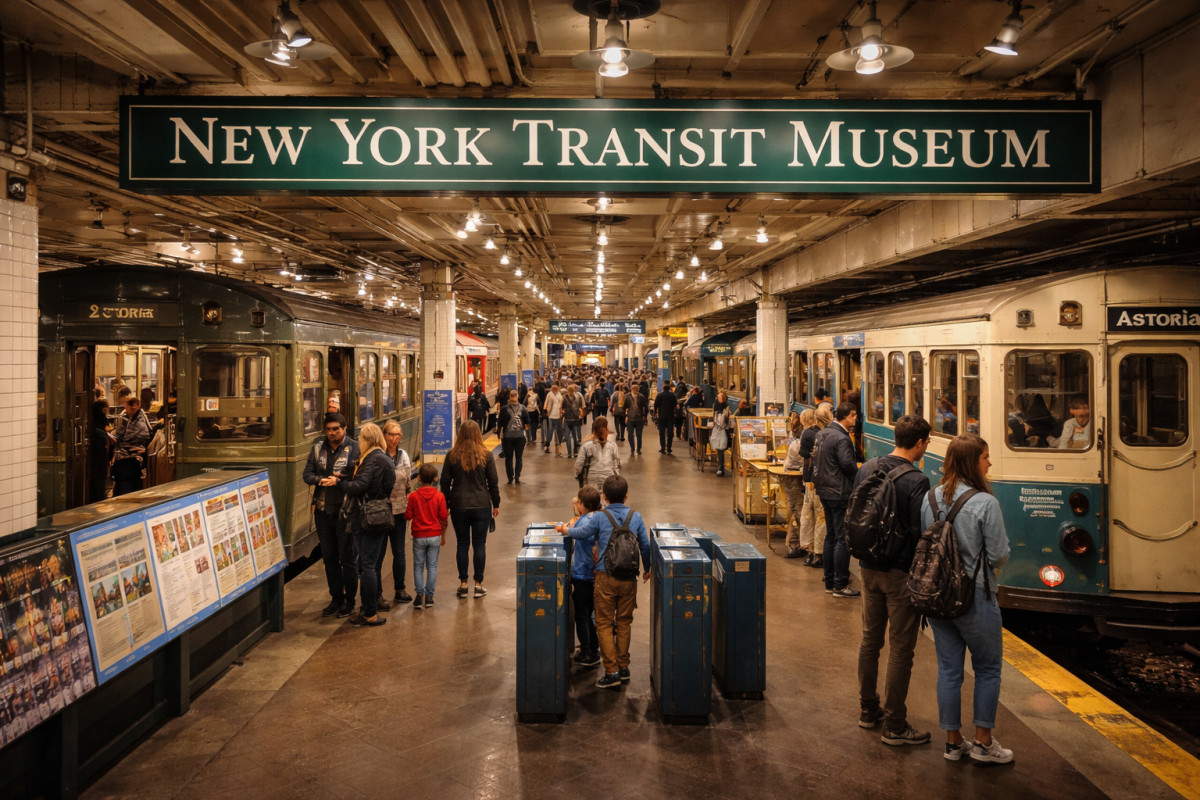
The New York Transit Museum offers an unparalleled journey through New York City's public transportation history. Uniquely situated within a decommissioned subway station in downtown Brooklyn, it's an immersive experience transporting visitors through decades of urban mobility, showcasing the ingenuity and evolution that shaped the city.
The underground marvels
One of the museum’s most captivating features is its vast collection of vintage subway cars. Descending into the station, you're immediately greeted by a genuine 1930s subway platform with authentic signage. This atmospheric setting showcases an array of subway cars, each representing a different era of NYC transit. Visitors can step inside these meticulously preserved relics, from early 20th-century cars with rattan seats to mid-century models with vibrant advertising. This detail offers a tangible connection to daily life from generations past.
Vintage subway car collection
The collection spans over a century of subway design, including iconic models like the R1/9, BMT Standards, and IRT Lo-Vs. Exploring these trains provides a firsthand look at evolving passenger comfort, interior aesthetics, and technological advancements. Each car tells a distinct story of New York's ever-moving populace.
Stepping onto the platform among these historic subway cars feels less like a museum visit and more like time travel, offering a tangible connection to the city's ceaseless evolution.
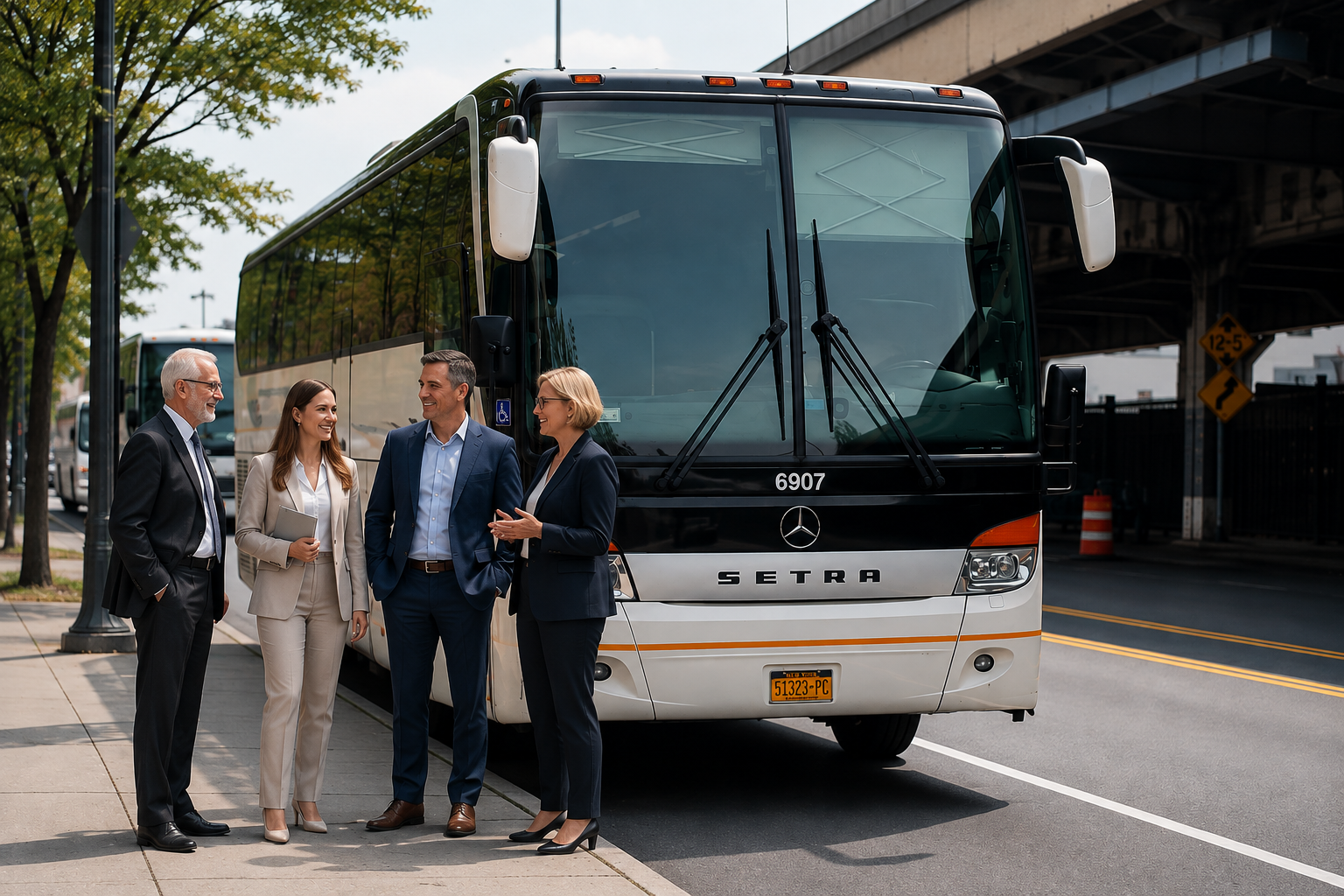
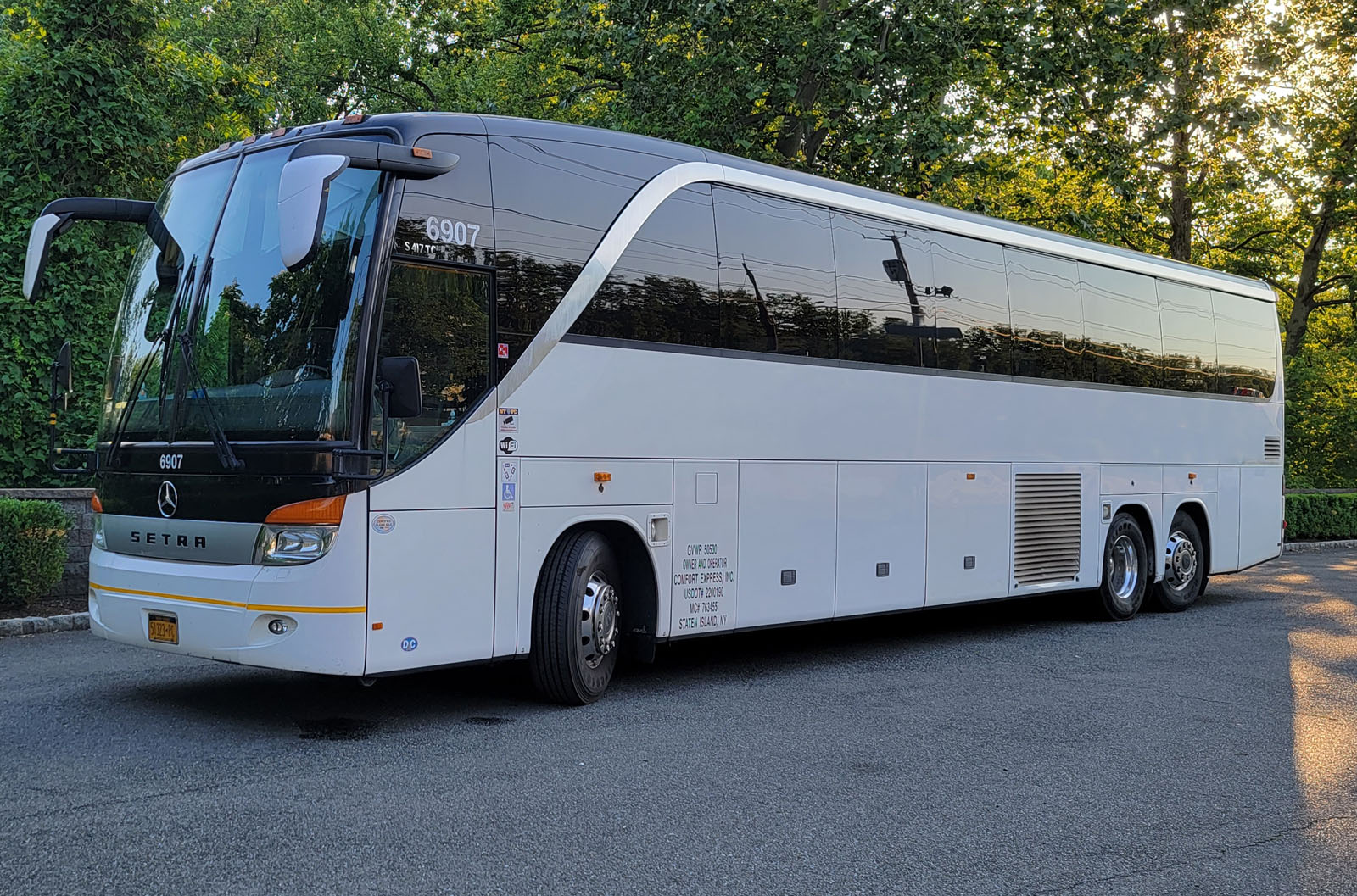
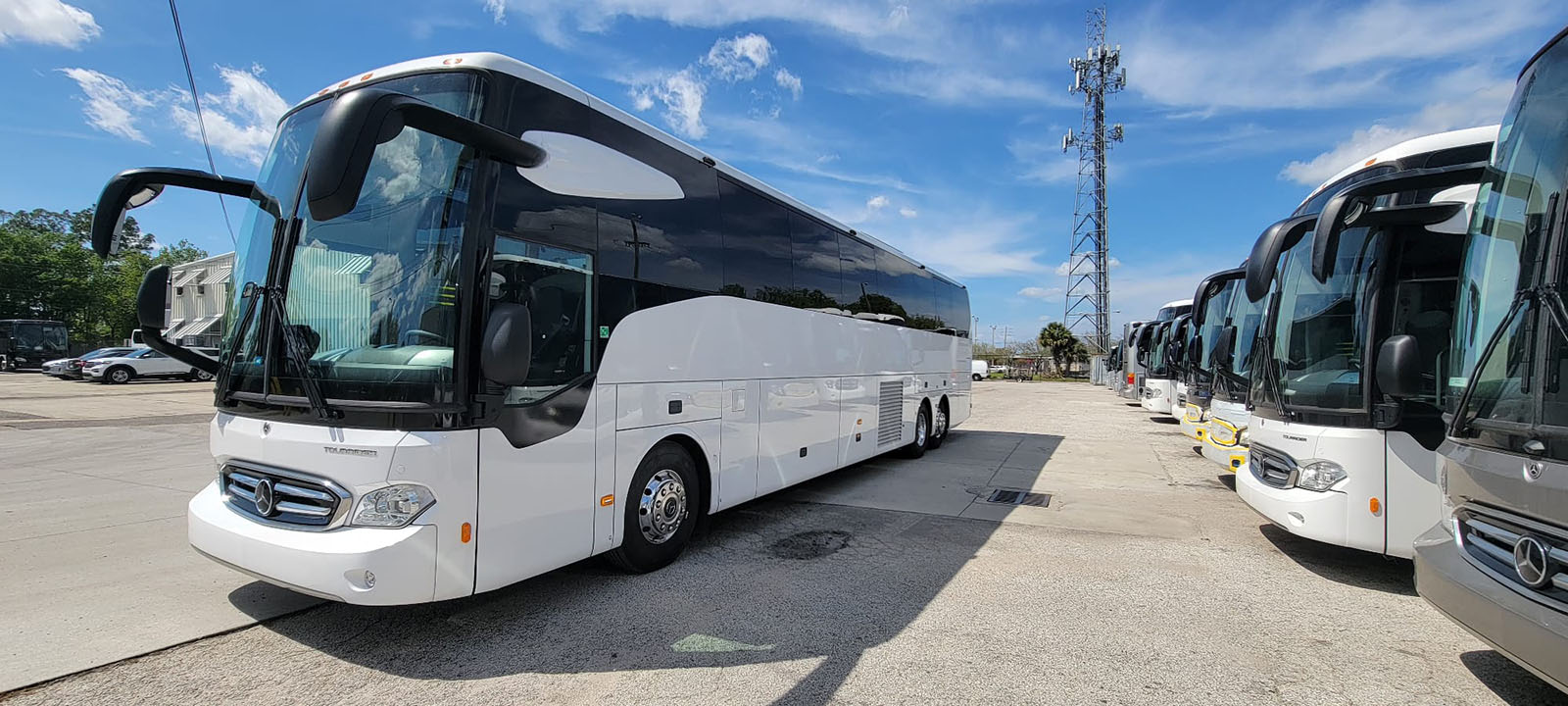
Typical bus rental prices:
| Bus Type | Per Hour | Per Day |
|---|---|---|
| 56-Passenger | $165 – $200 | $1,450 – $1,950 |
| Luxury Van | $100 – $125 min 6 hours | $1,100 – $1,250 10 hours |
Surface and elevated transit treasures
Beyond subterranean marvels, the museum also showcases an impressive fleet of historic buses on its upper level. This exhibit traces street-level public transport evolution, featuring various bus models from early double-deckers to sleek mid-century coaches. Visitors can often enter these vehicles, getting a firsthand look at driver’s controls and passenger amenities. It’s a vivid reminder that the city's arteries extend above ground too.
Historic bus fleet
The diverse bus collection highlights the significant role buses played in connecting neighborhoods and complementing the subway system. Discover how designs adapted to urban landscapes and changing passenger needs.
Trolley cars and elevated lines
The "On the Street" exhibit offers a fascinating look at earlier surface transportation forms. Detailed displays of trolley cars and components from elevated train sections provide crucial context for NYC's comprehensive transit infrastructure development.
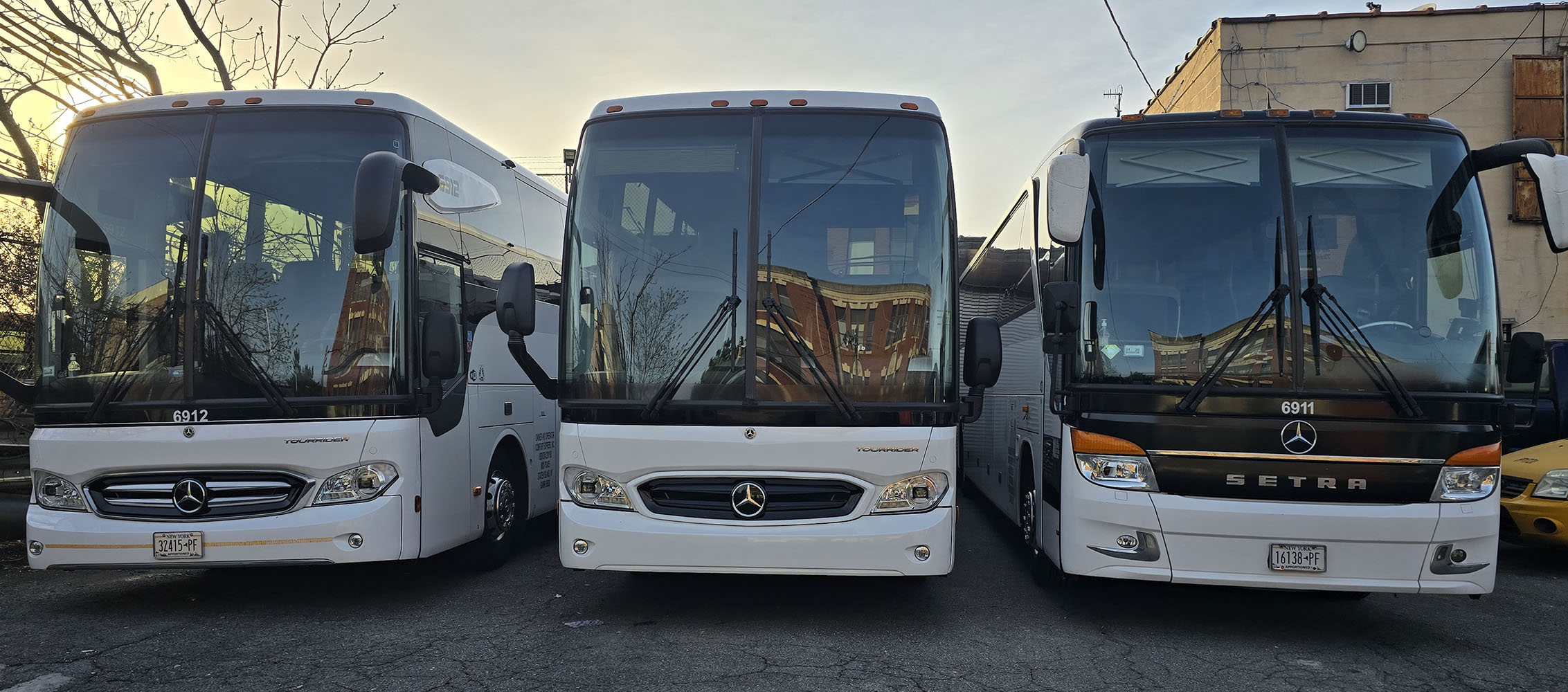
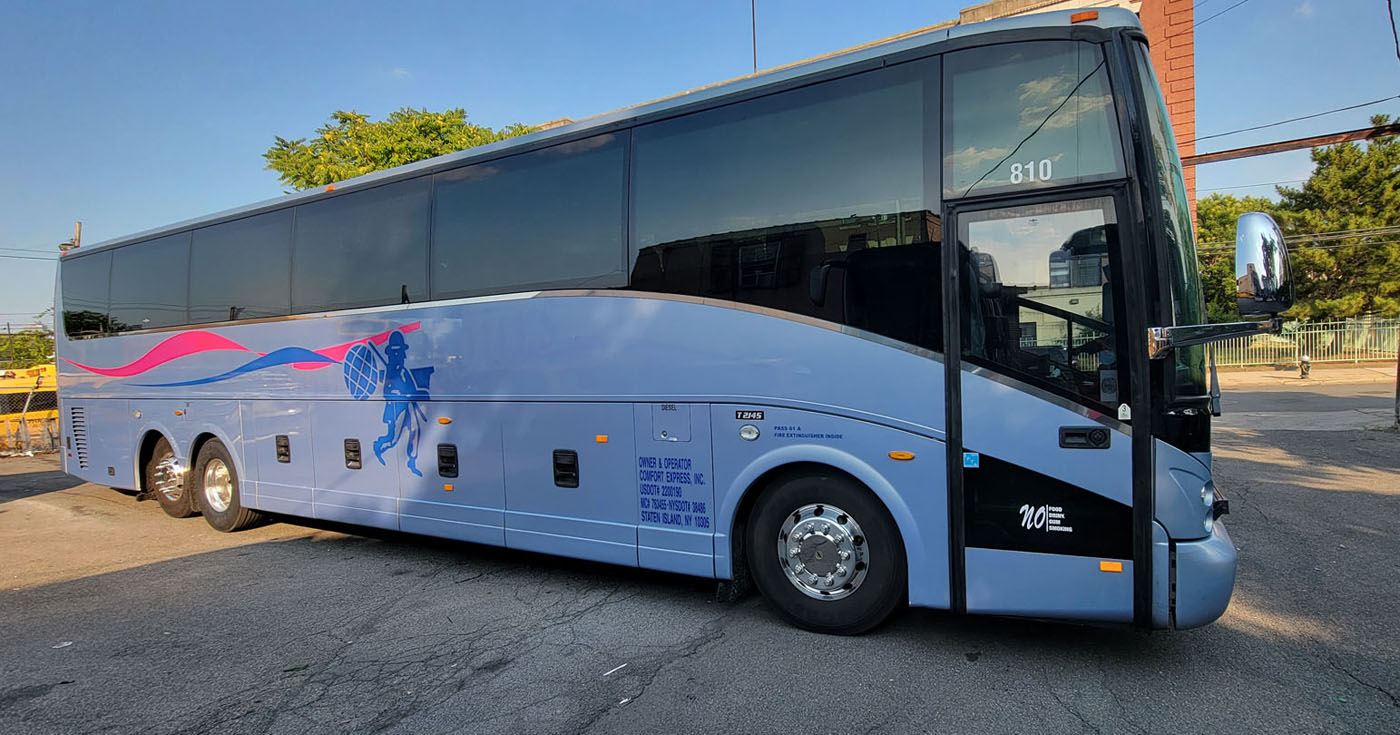
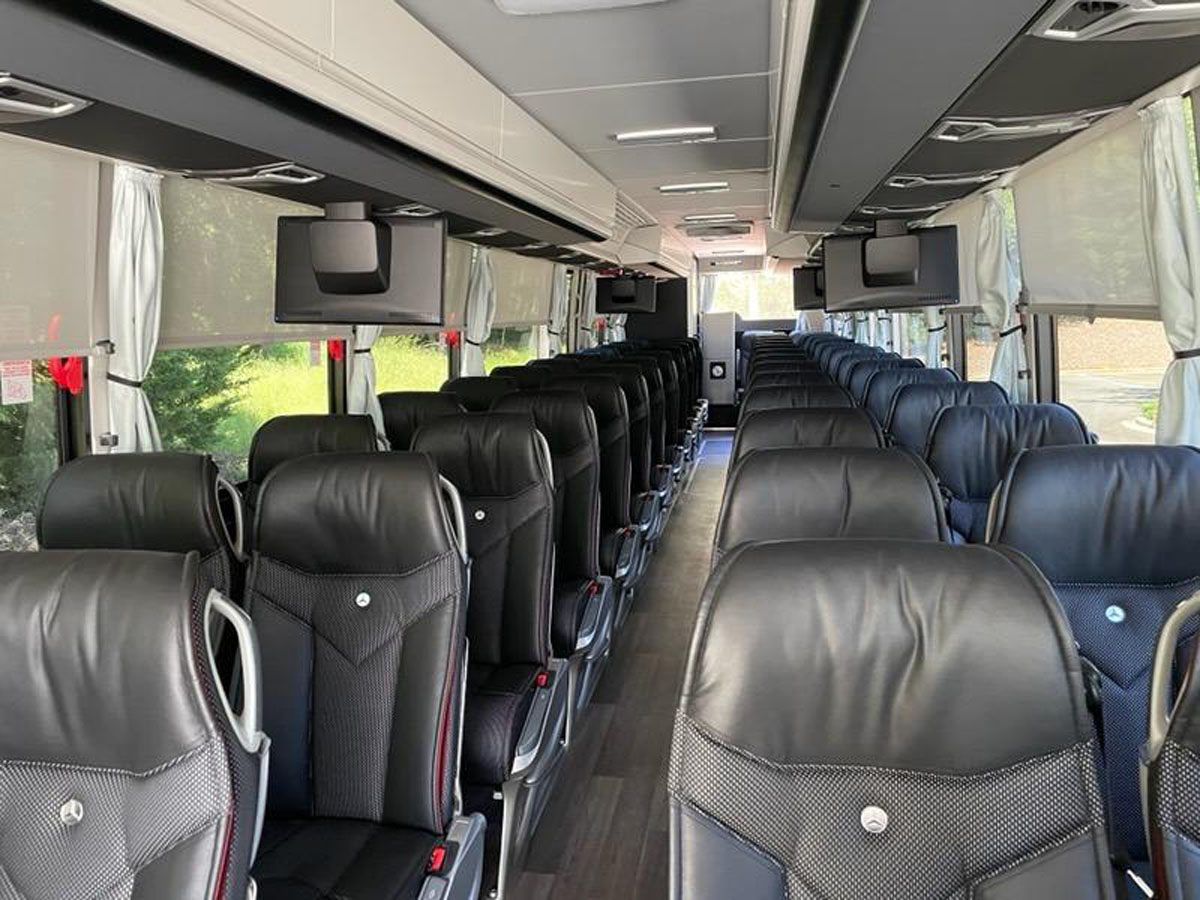
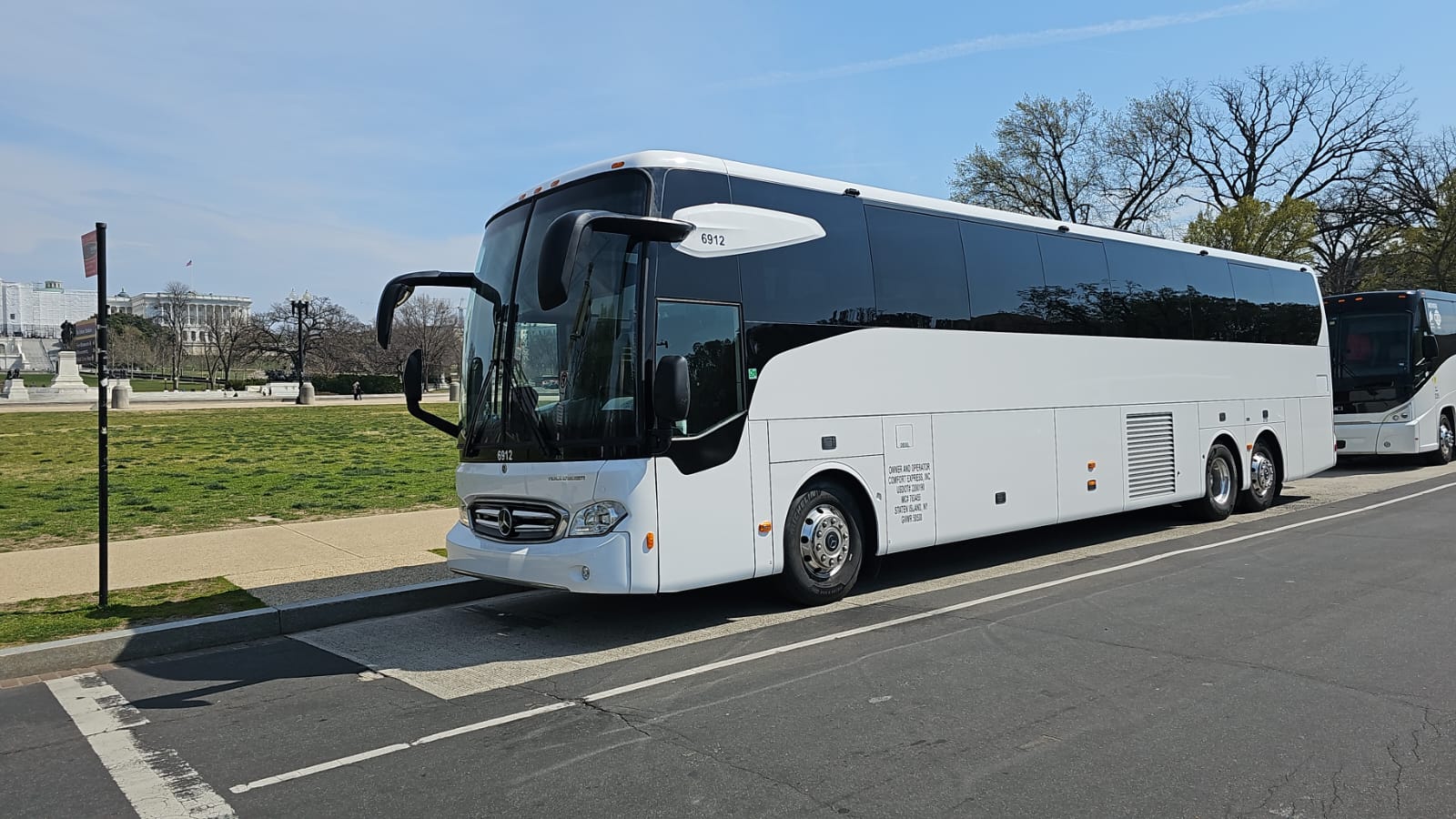
Popular Bus Types




Engineering, artifacts, and interactive engagement
The museum delves into the intricate engineering and human stories behind the transit system. Exhibits explore subway tunnel construction, worker challenges, and innovative solutions. Interactive displays illuminate the mechanics of signals, switches, and power systems, demystifying the complex infrastructure that keeps New York moving.
Transit artifacts and operational insights
Fascinating displays of transit artifacts include antique turnstiles, token booths, vintage maps, worker uniforms, and maintenance equipment. Each item offers a glimpse into the operational history and daily rhythm of the subway and bus systems, celebrating the countless individuals who built and maintained these lifelines.
Interactive exhibits for all ages
Children and families will find numerous interactive exhibits. Young visitors can try a bus driver simulator, operate a model subway train, or learn engineering principles through playful displays. The museum consistently offers educational programs, making it a dynamic learning environment.
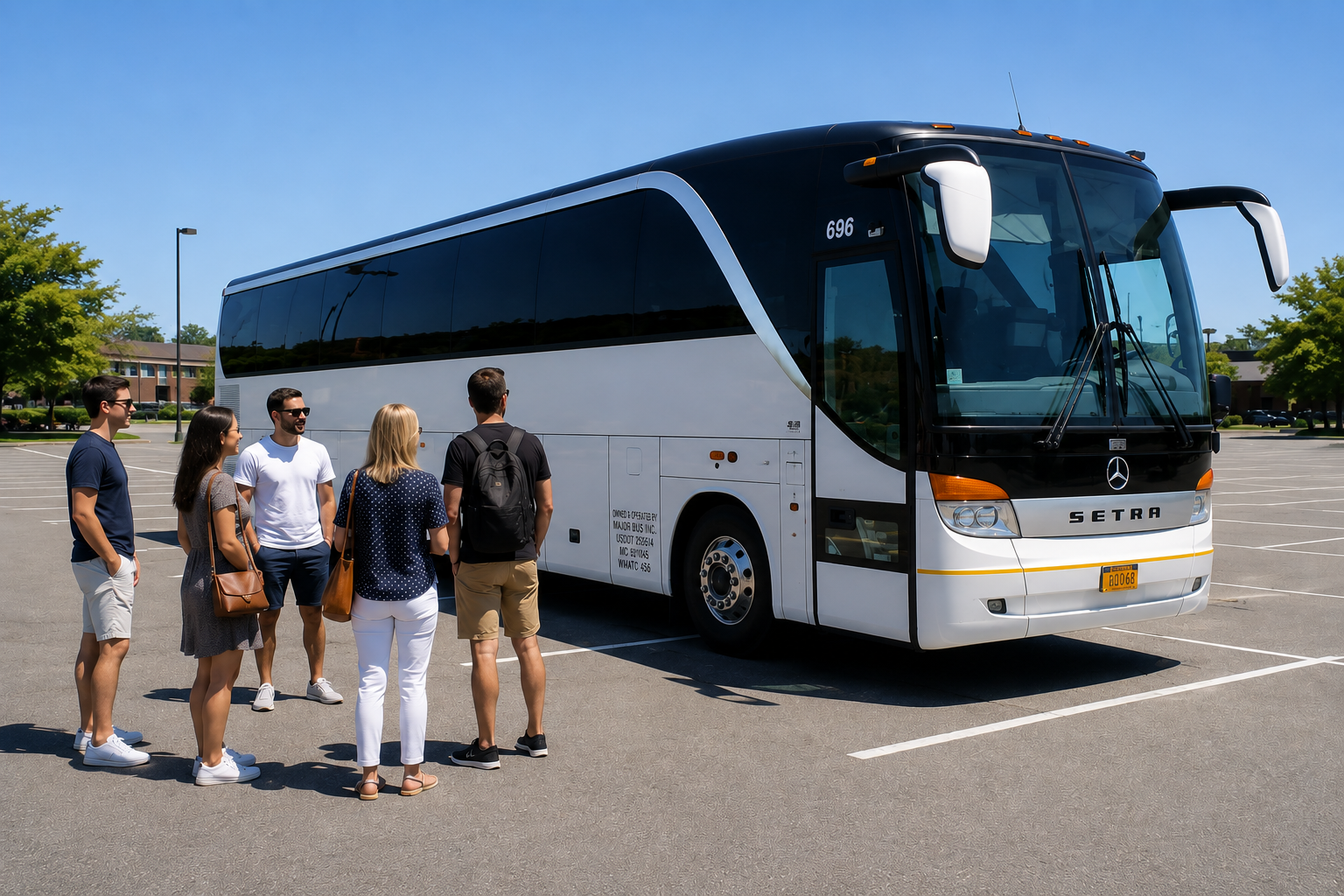
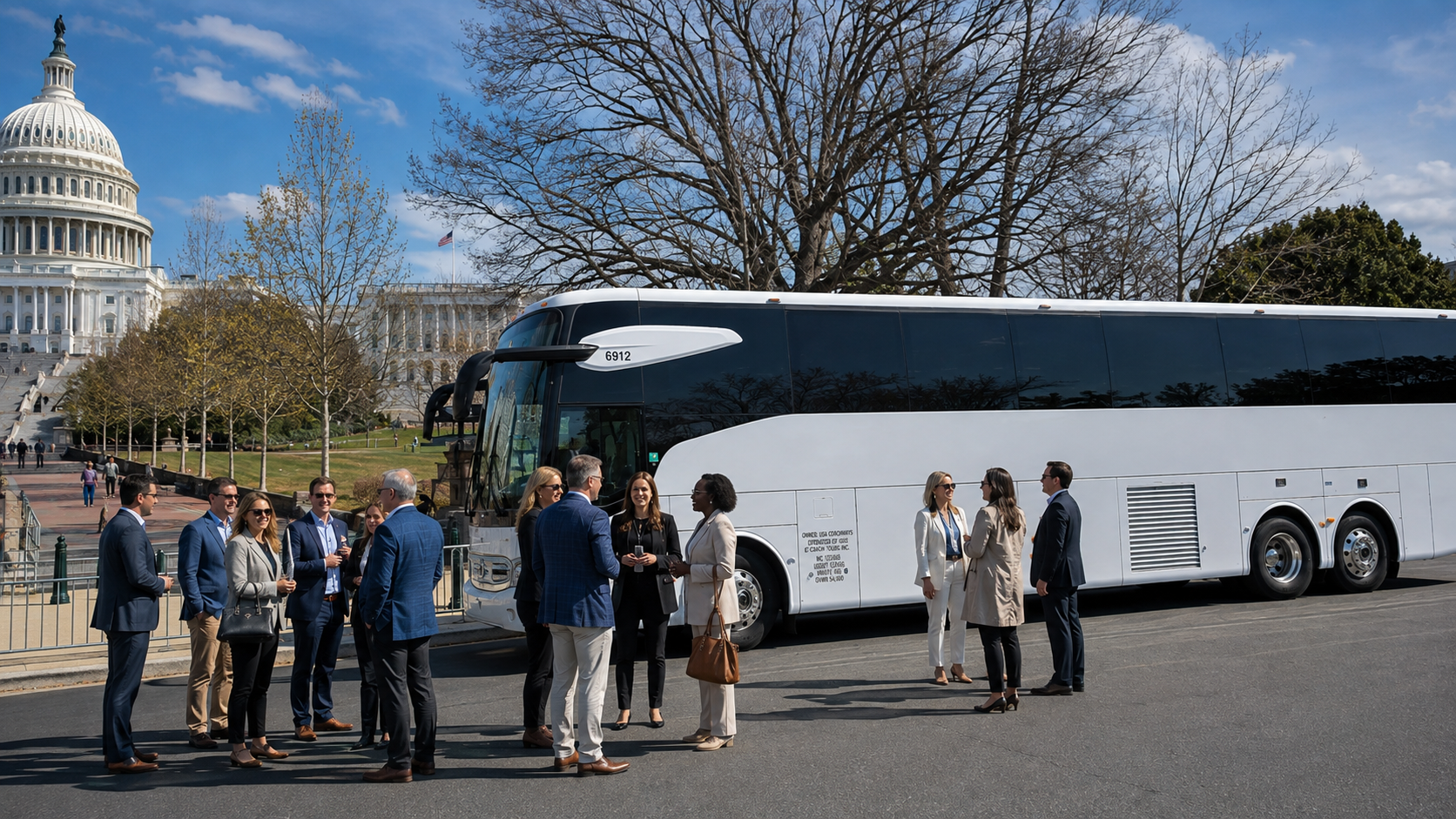
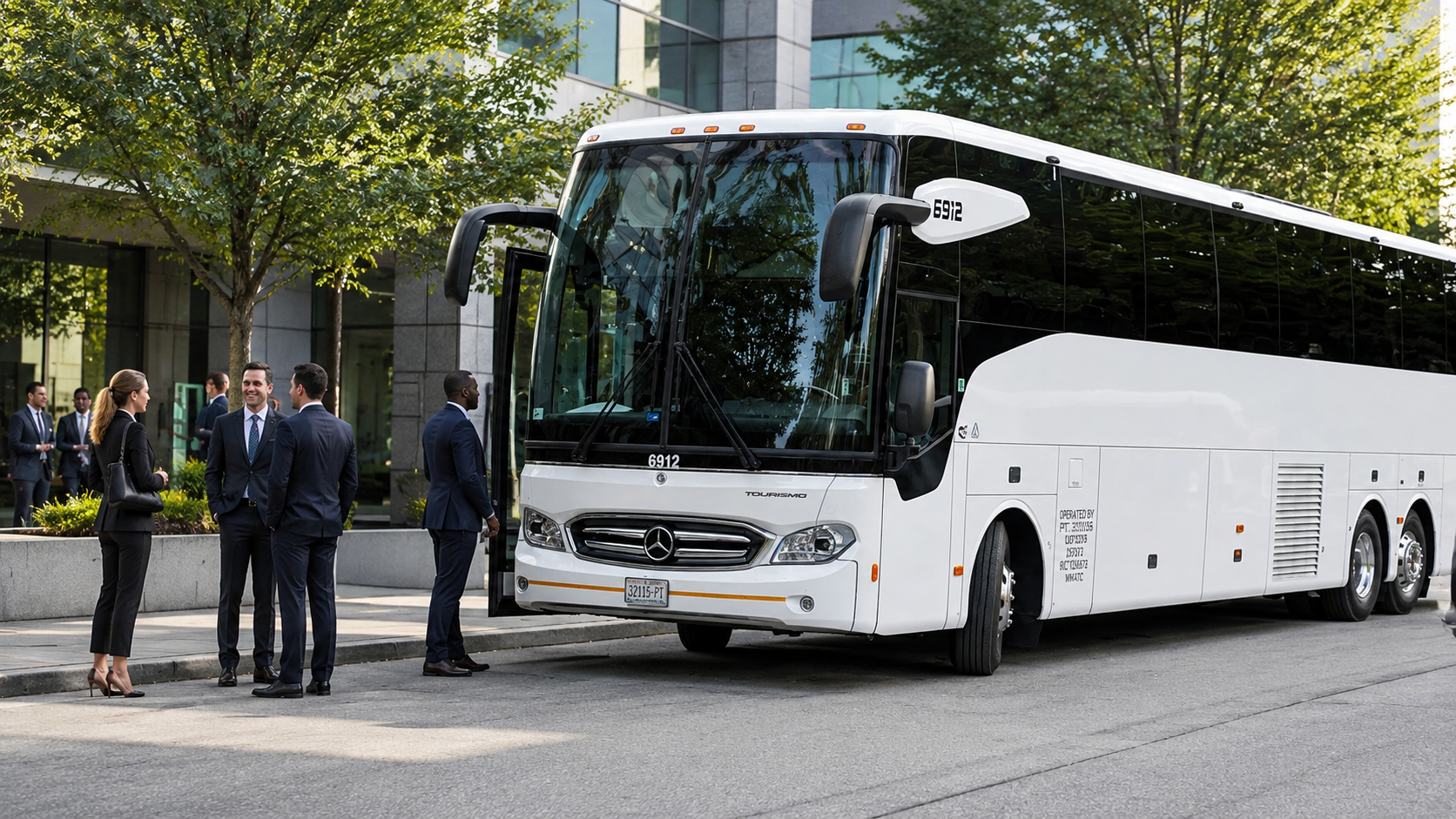
Planning a group trip to the New York Transit Museum or exploring other New York City attractions? Make your journey seamless and stress-free. For comfortable and convenient group transportation, consider chartering a bus. Enjoy the camaraderie of your group without the worries of navigating public transit or parking. Explore reliable and efficient options for your next outing. Bus Rental
Photo Gallery


Admission prices
| Category | Price (Approximate) |
|---|---|
| Adults | $10 |
| Seniors (62+) | $5 |
| Children (2-17) | $5 |
| Members | Free |
| Under 2 | Free |
Note: Prices are subject to change. Check the official museum website for the most current information.
How to get there from midtown Manhattan
The New York Transit Museum is conveniently located at 99 Schermerhorn Street in downtown Brooklyn. From Midtown Manhattan, reaching the museum is straightforward using New York City's extensive subway system.
Subway routes
- A or C trains Take the Downtown A or C train to the Hoyt-Schermerhorn Streets station. The museum is located within this historic subway station, with its entrance just steps away from the street exit.
- G train If you are closer to a G train line, take it to the Hoyt-Schermerhorn Streets station.
- 2, 3, 4, 5 trains Take the Downtown 2, 3, 4, or 5 train to Borough Hall. From Borough Hall, it’s a short walk (about 5-7 minutes). Head south on Court Street, then turn right onto Schermerhorn Street.
- F train Take the Downtown F train to Jay Street-MetroTech. From there, it's approximately a 5-10 minute walk. Head south on Jay Street, then turn left onto Schermerhorn Street.
- R train Take the Downtown R train to Jay Street-MetroTech or Court Street. From either station, the museum is within a 5-10 minute walking distance.
The museum’s entrance is a distinctive, historic subway kiosk at the corner of Boerum Place and Schermerhorn Street. Look for the classic green subway entrance, marking an authentic arrival experience within an active subway station complex.
The museum's unique atmosphere
The museum’s unique location within a fully functioning 1936 subway station adds unparalleled authenticity. It’s a preserved piece of history where exhibits truly live. This context allows immediate understanding of the environment these historic trains operated within. Vaulted ceilings, original tiling, and track remnants create an atmosphere modern museums struggle to replicate, deeply immersing visitors.
Human element and urban development
The museum highlights the human element of NYC's transit system. From conductors and motormen to engineers and laborers, it pays homage to countless individuals whose dedication built and maintained this vital infrastructure. Personal stories, photographs, and historical documents bring these contributions to life, transforming technical displays into deeply human narratives. Transit evolution also reflects broader social changes, from early segregation to diverse workforce integration.
The New York Transit Museum is more than a display of old trains; it's a living archive that chronicles the ingenuity, perseverance, and daily rhythms of a city on the move.
Design and innovation in transit
Focus on design and innovation is a key thread throughout the exhibits. Early subway cars were marvels of industrial design, balancing capacity with comfort and durability. As technology advanced, so did trains and buses, reflecting shifts in materials, propulsion, and aesthetic trends. Visitors observe the progression from rudimentary wooden cars to sleek, steel designs, understanding how innovations addressed growing demands of an expanding metropolis.
Transit's impact on urban planning
The museum serves as a vital resource for understanding urban planning and development. NYC’s growth is inextricably linked to its transit system. The subway facilitated distant borough development, shaping residential and commercial patterns. The bus network further extended this reach, connecting neighborhoods and providing essential last-mile solutions. Exhibits subtly illustrate how transportation infrastructure acts as a backbone for urban sprawl and economic vitality.
Appealing to enthusiasts and educators
For avid train and bus enthusiasts, the level of detail is exceptional. Specifications of different car models, their mechanical systems, and operational history are meticulously presented. Physically entering and exploring cars no longer in service provides a rare tactile experience that photographs cannot capture. It’s a chance to touch history and appreciate engineering marvels firsthand. Rotating special exhibits ensure there's always something new to discover.
Preservation and education commitment
The commitment to preservation and education is evident in every corner. Each artifact is carefully maintained, and narratives are thoroughly researched, offering accurate and engaging insights into New York City’s past. The museum acts as a custodian of a crucial part of the city's identity, ensuring future generations can appreciate the legacy of ingenuity and public service that built the world-renowned MTA system.
Frequently Asked Questions
What is the New York Transit Museum?
Is there a coat check or locker facility?
Does the museum operate any historic train excursions?
How long does a typical visit to the museum take?
Does the museum offer guided tours or educational programs?
Is photography allowed?
Can I bring food or drinks into the museum?
Are there restrooms and a gift shop?
Is the museum accessible for visitors with disabilities?
What can I see and do at the museum?
How much does admission cost?
What are the museum's operating hours?
How do I get to the museum?
Where is the New York Transit Museum located?
What is the official website for more information?
Read Also


OUR FLEET
Our Buses
Explore our modern, comfortable and well-maintained charter bus fleet.