National September 11 Memorial and Museum New York
Experiencing the national september 11 memorial
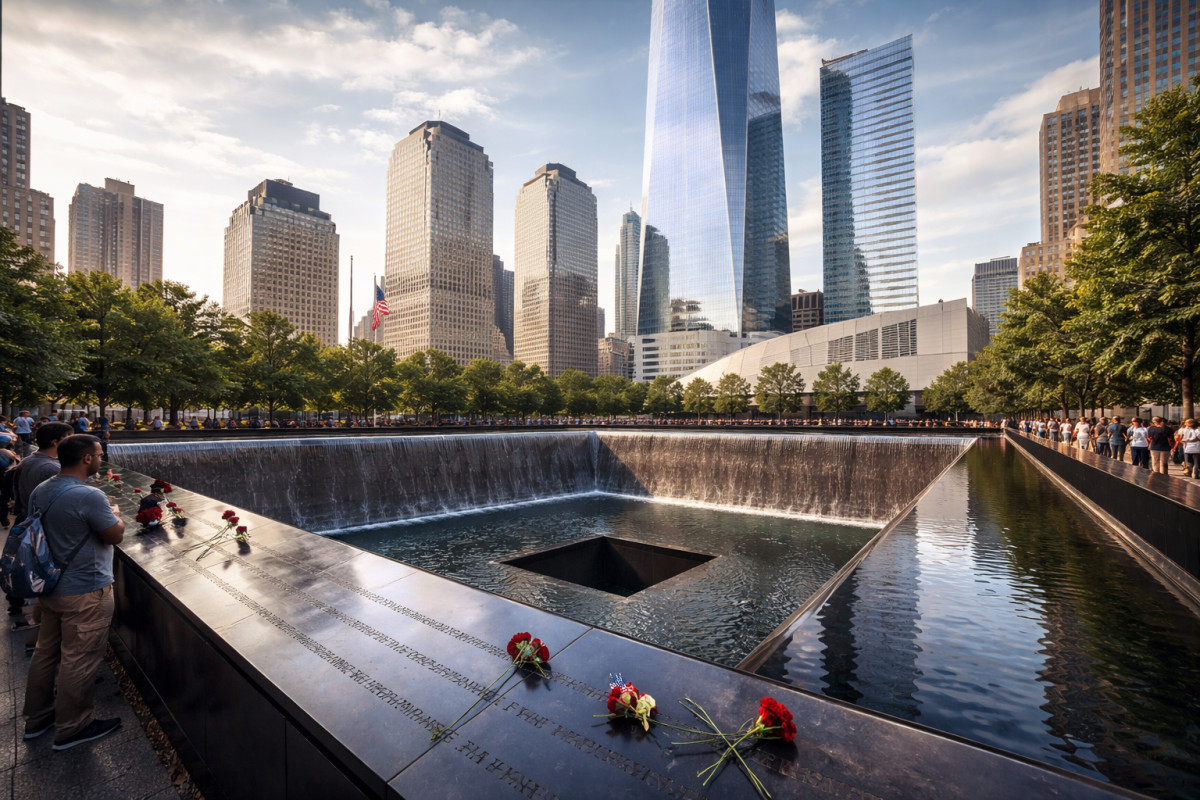
Stepping onto the National September 11 Memorial Plaza offers an immediate immersion into a landscape of profound contemplation. The vast, open space in Lower Manhattan, framed by a canopy of over 400 swamp white oak trees, provides a tranquil yet deeply resonant environment, inviting reflection on the events of that fateful day. The design masterfully balances the immensity of loss with the enduring power of nature and human spirit. The soundscape here is often dominated by the gentle rustle of leaves and the ceaseless flow of water, creating a palpable sense of peace amidst the city's perpetual motion.
The twin reflecting pools
At the heart of the memorial plaza lie the twin reflecting pools, each a colossal void occupying the footprints of the original World Trade Center towers. These are not mere decorative features but profoundly symbolic elements. Water cascades continuously down 30-foot walls into a central, unseen square, creating an auditory experience that is both mesmerizing and somber. The ceaseless flow, often described as tears, serves as a powerful metaphor for the perpetual nature of remembrance and the passage of time. The sheer scale of these pools, the largest man-made waterfalls in North America, conveys the monumental absence left by the collapsed towers. Around the perimeter of each pool, etched into bronze parapets, are the names of the 2,983 individuals who perished in the September 11, 2001, attacks in New York City, Washington, D.C., and Shanksville, Pennsylvania, as well as those killed in the 1993 World Trade Center bombing. Visitors frequently trace these names with their fingers, sometimes leaving a flower or a small flag, creating a deeply personal connection to those remembered. The arrangement of names, created through a sensitive algorithm known as "meaningful adjacencies," groups individuals with personal connections, such as family members, friends, or co-workers, allowing for collective remembrance. "The pools speak of absence and memory, a void filled with the enduring sound of falling water, a constant echo of what was lost."
The survivor tree
A striking emblem of resilience stands proudly on the plaza: the Survivor Tree. This Callery pear tree, discovered severely damaged but still alive at Ground Zero following the 9/11 attacks, was carefully removed, nursed back to health, and replanted at the memorial in 2010. Its gnarled branches and resilient new growth serve as a living testament to hope and rebirth in the face of unimaginable destruction. Visitors often pause beneath its canopy, drawing strength from its story of endurance. The tree's journey from near obliteration to vibrant life encapsulates the spirit of recovery that defines New York City and the nation. Each spring, its blossoms offer a gentle reminder of the cycle of life and renewal.
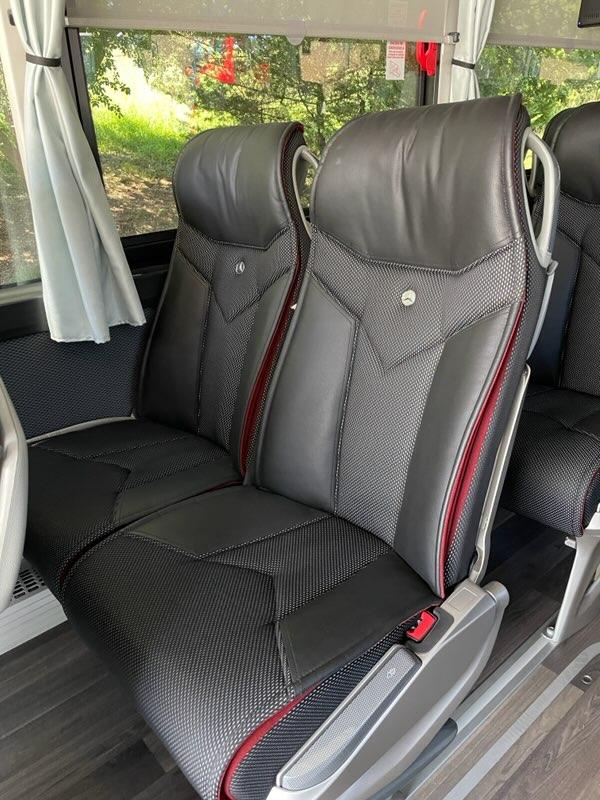
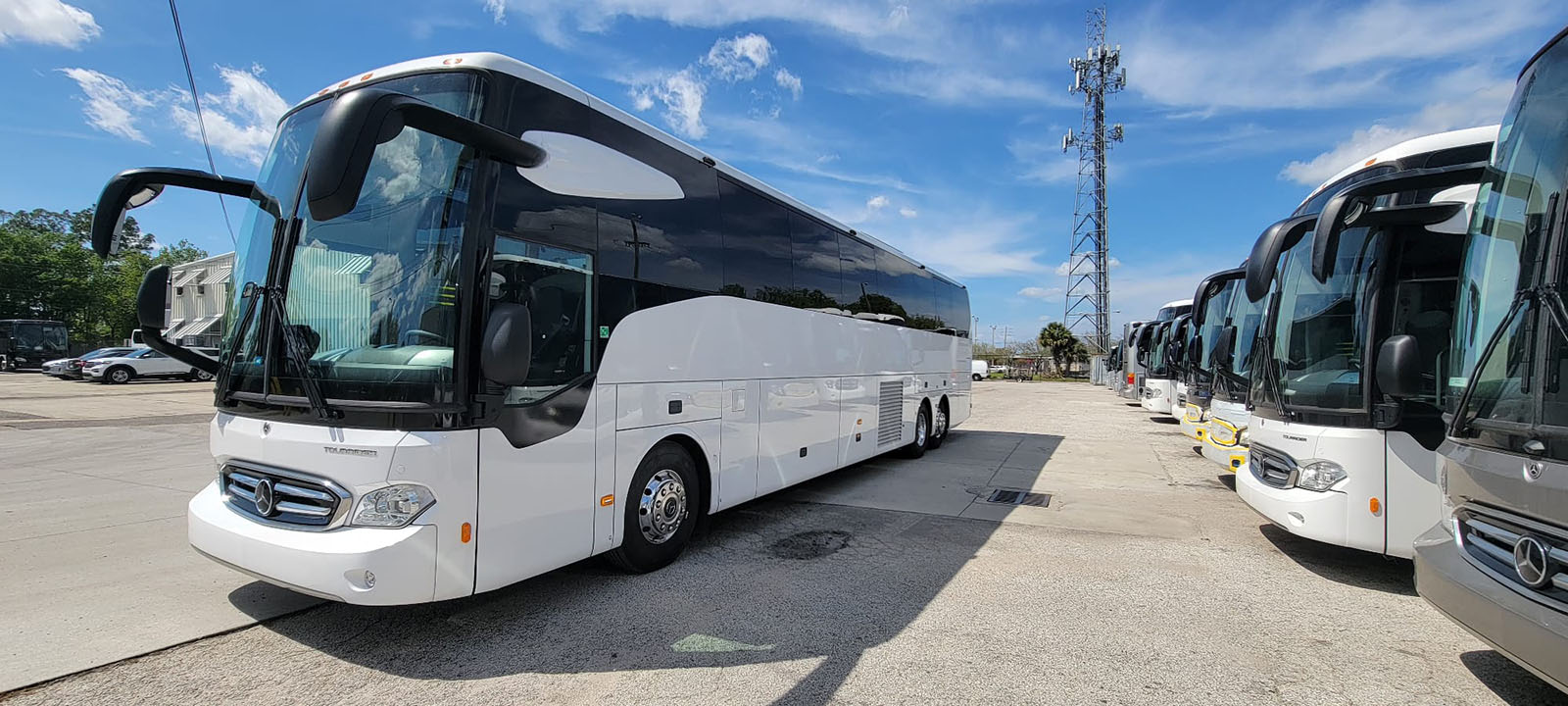
Typical bus rental prices:
| Bus Type | Per Hour | Per Day |
|---|---|---|
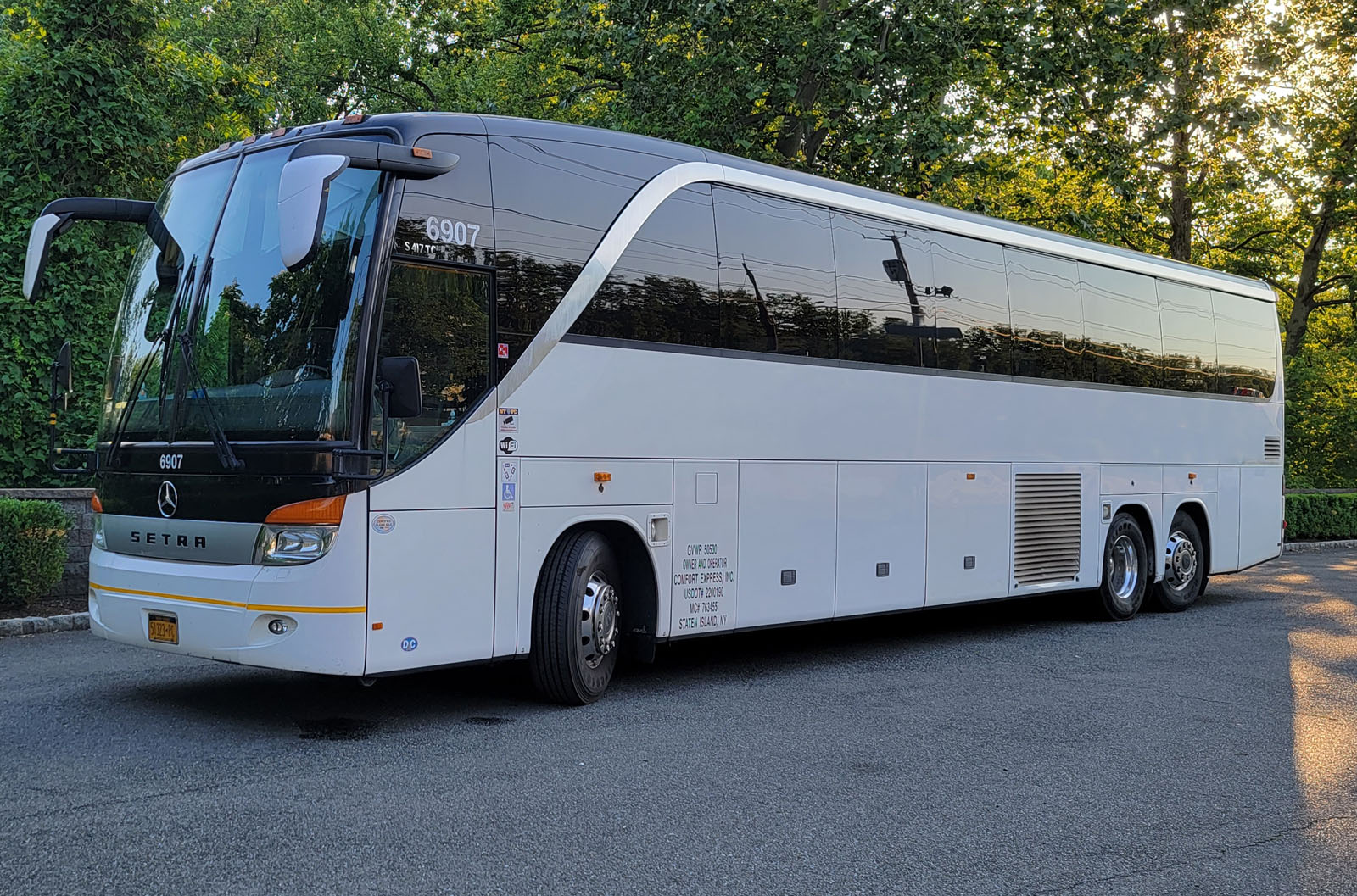
| 56-Passenger | $165 – $200 | $1,450 – $1,950 |
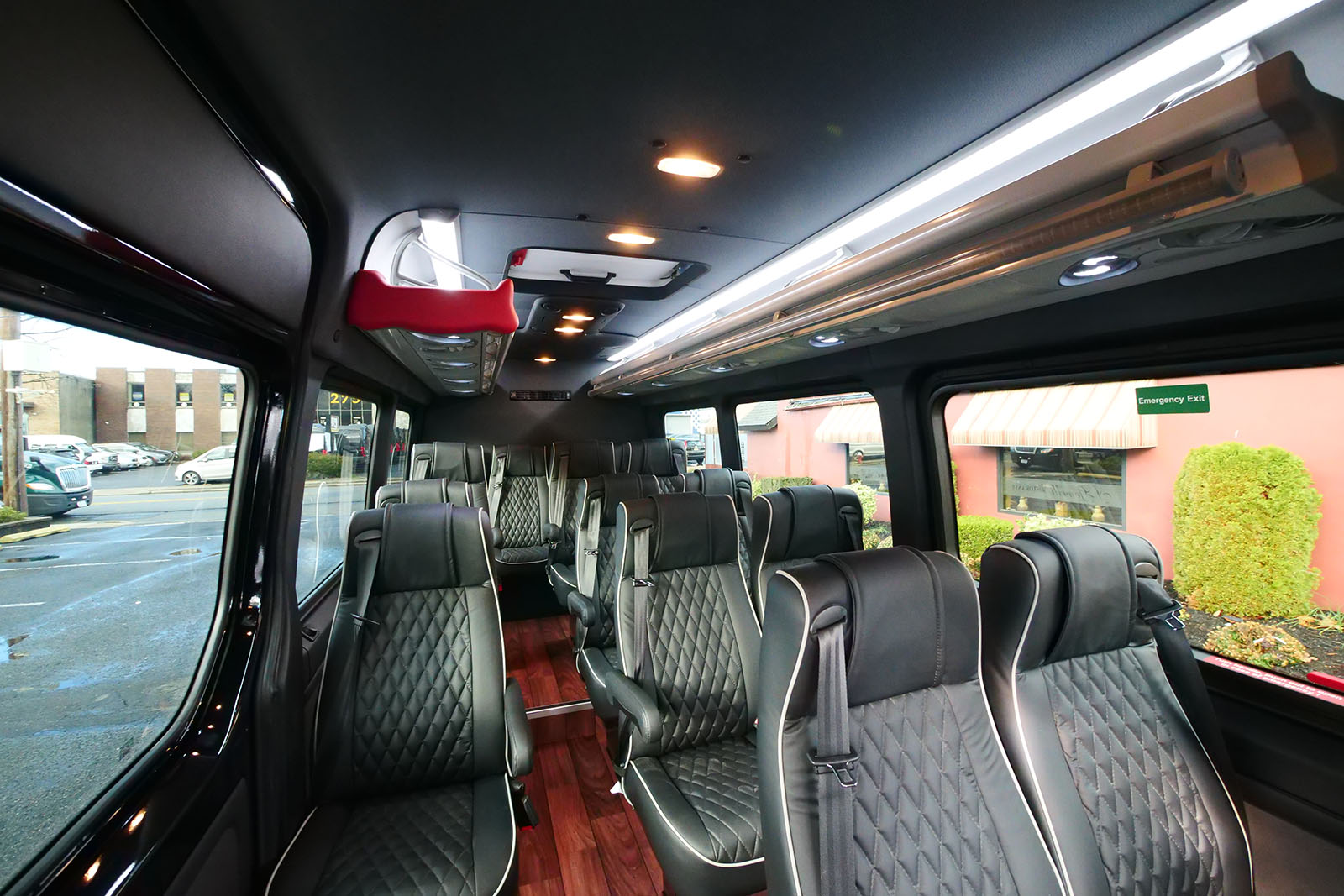
| Luxury Van | $100 – $125 min 6 hours | $1,100 – $1,250 10 hours |
Journeying through the national september 11 museum
Beneath the tranquility of the memorial plaza lies the National September 11 Museum, a subterranean space dedicated to documenting the history of the attacks and exploring their enduring significance. The museum's entrance, a striking glass pavilion, offers a visual transition, leading visitors from the outdoor light into a powerful, immersive narrative. Descending into the bedrock of the former World Trade Center site, the atmosphere shifts, becoming one of quiet reverence and deep contemplation. The architecture itself, designed by Snøhetta and Davis Brody Bond, guides visitors through a chronological and thematic journey, preparing them for the profound stories held within.
The foundation hall and slurry wall
One of the most awe-inspiring sights within the museum is the vast Foundation Hall. This immense space, stretching across the base of one of the original towers, reveals the colossal scale of the World Trade Center's foundations. Dominating the hall is a 60-foot section of the slurry wall, an engineering marvel that held back the Hudson River and remarkably remained intact after the collapse of the towers. Standing before this concrete barrier, visitors gain a profound appreciation for the structural integrity that prevented an even greater catastrophe. It is a stark visual representation of resilience, a silent testament to human ingenuity against immense pressure. Also within Foundation Hall stands the Last Column, an artifact of immense symbolic weight. This 36-foot-tall piece of steel, the last column removed from Ground Zero in May 2002, is covered with messages, memorials, and signatures from recovery workers, family members, and first responders. Its surface, a canvas of grief and hope, embodies the collective spirit of those who toiled in the aftermath. It represents both the end of the recovery effort and the beginning of a new chapter of remembrance.
Historical exhibition
The Historical Exhibition meticulously reconstructs the events of September 11, 2001, and the 1993 World Trade Center bombing through a comprehensive display of artifacts, personal accounts, and multimedia presentations. Visitors navigate a timeline that details the morning of 9/11, from the initial plane crashes to the collapse of the towers and the far-reaching global implications. This section is designed to be informative yet respectful, providing context without sensationalism. Interactive displays allow for a deeper understanding of the geopolitical landscape leading up to the attacks and their aftermath. "The museum doesn't just show objects; it weaves stories, giving voice to the experience of a day that reshaped our world."
Memorial exhibition
Adjacent to the historical narrative, the Memorial Exhibition offers a tribute to the lives lost. This space focuses on the individuals, providing an intimate look into their lives, their dreams, and their connections. A stunning photographic mosaic, comprised of images of each victim, lines the walls, creating a powerful collective portrait. Audio recordings allow visitors to hear family members and friends share personal anecdotes and memories, transforming statistics into deeply human stories. Personal artifacts-a badge, a watch, a wedding ring-each tell a silent story of a life interrupted, resonating with a quiet intensity that transcends words. This exhibition ensures that beyond the scale of the tragedy, the individual human cost is never forgotten.
Key artifacts and structural remnants
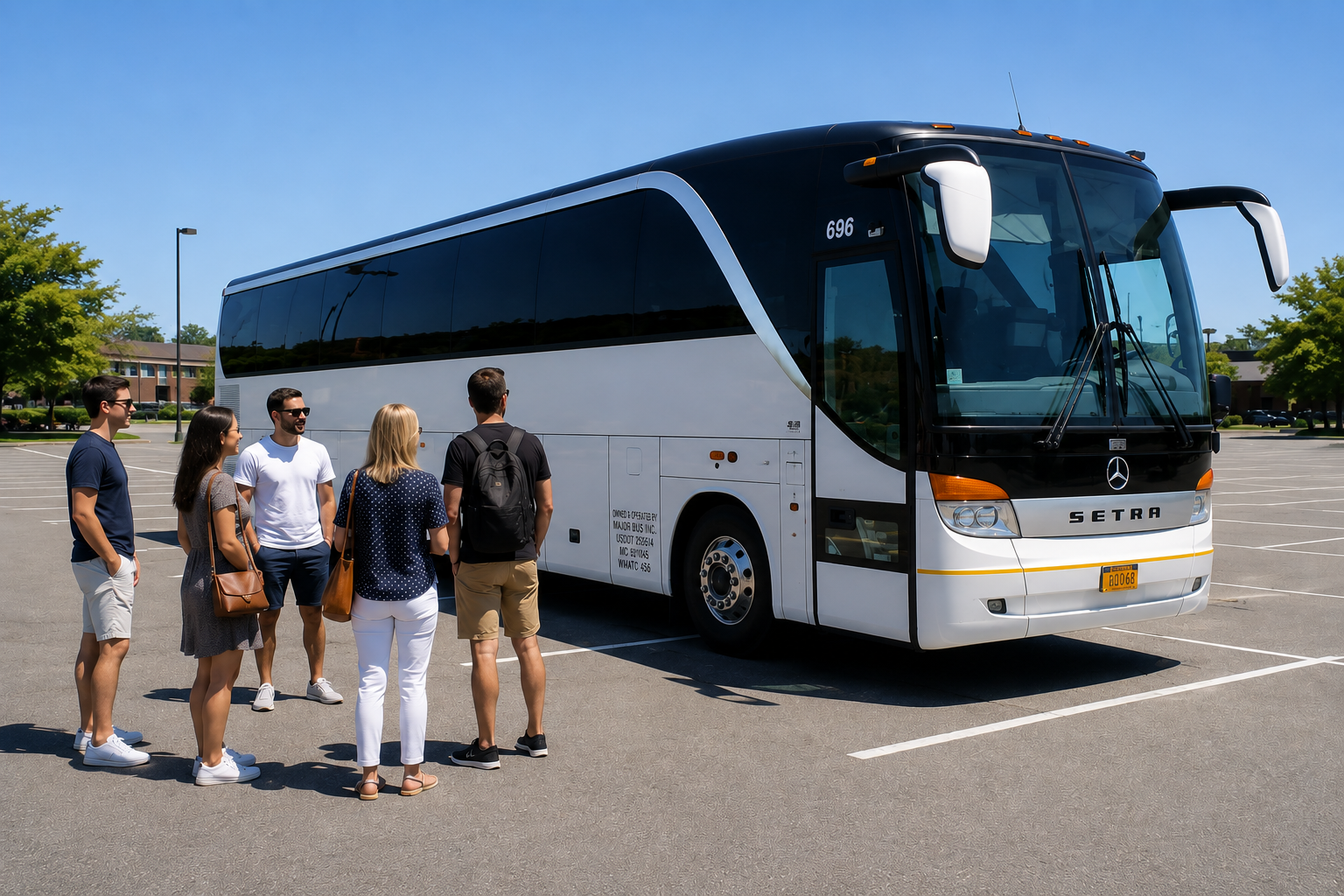
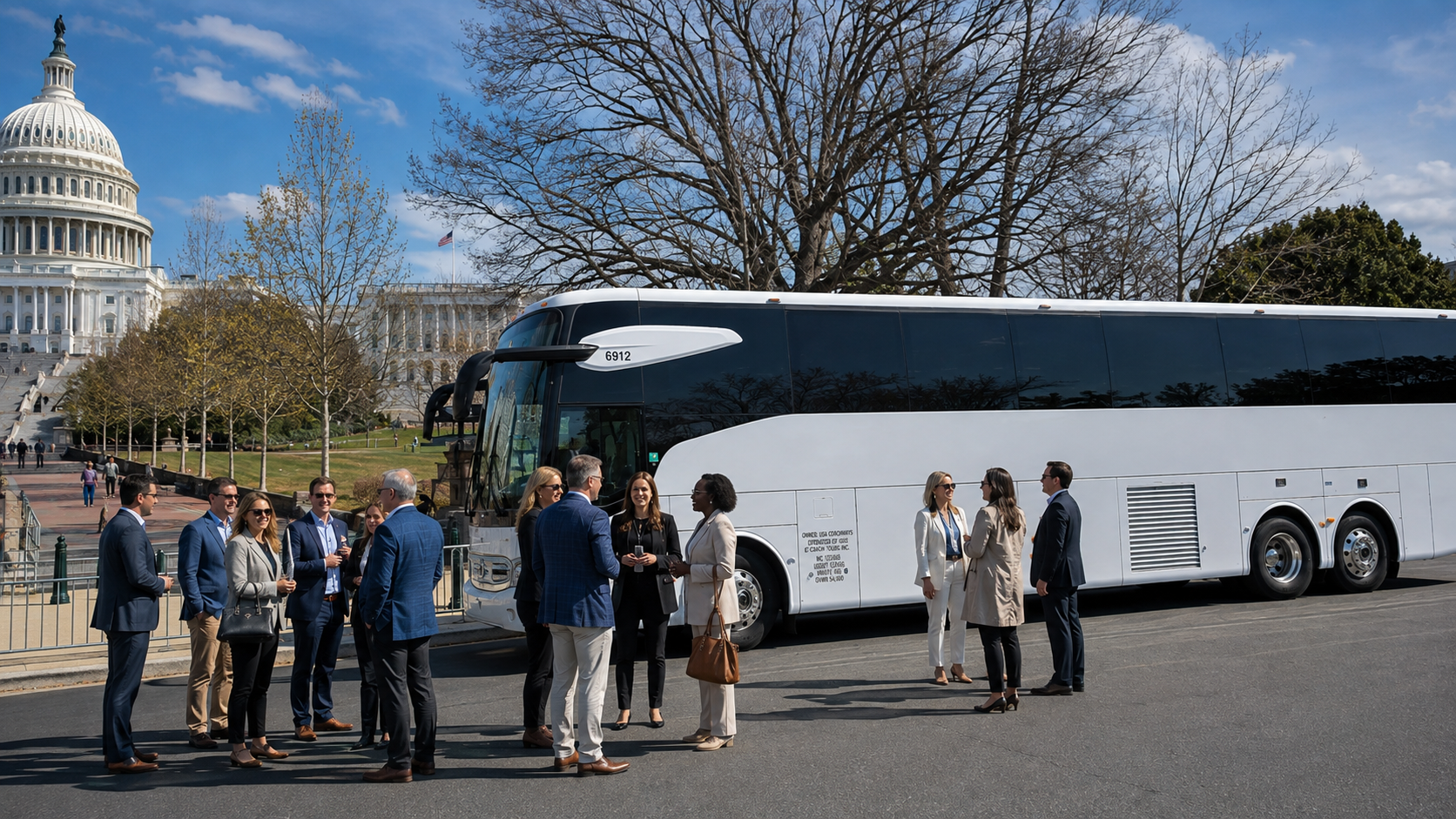
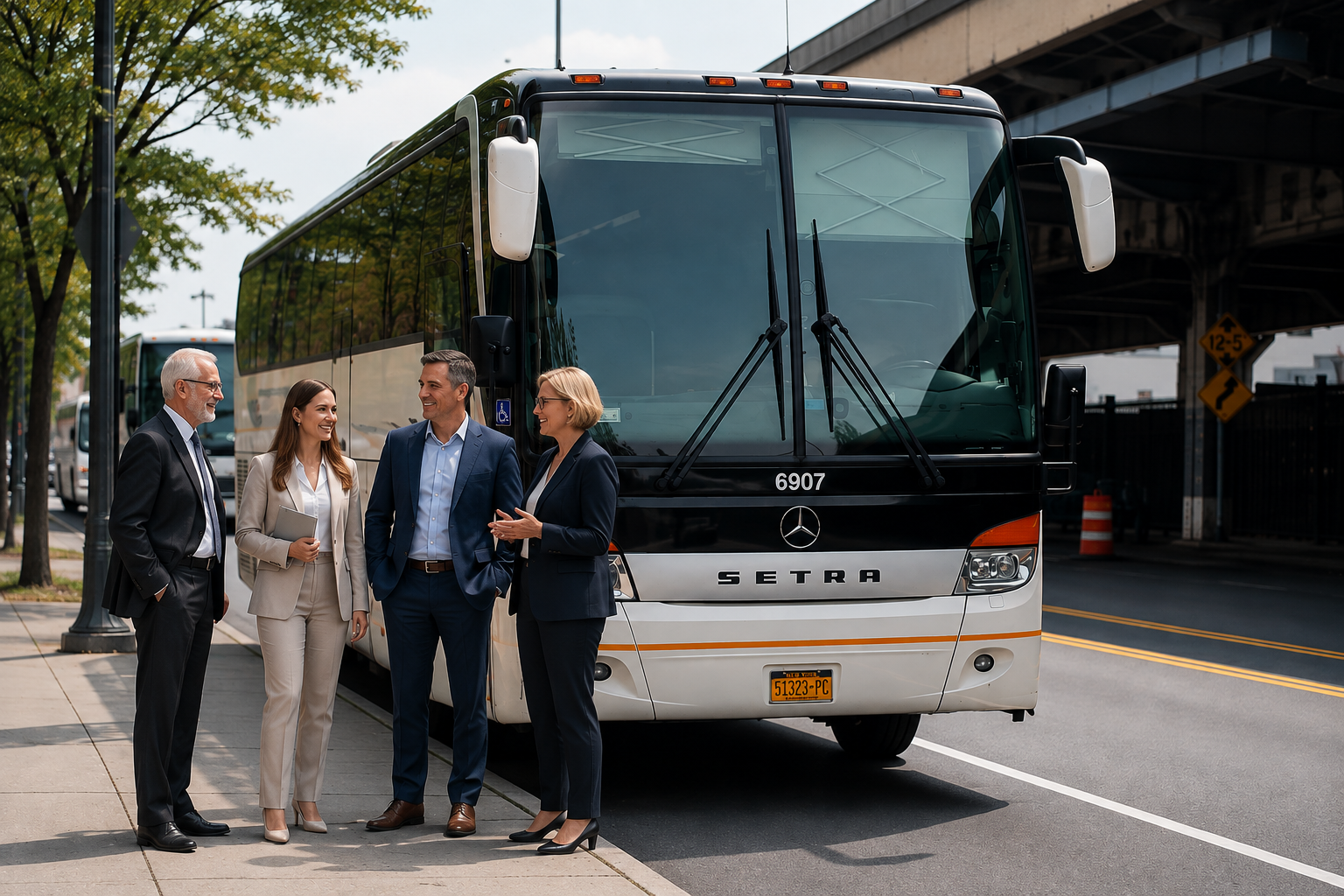
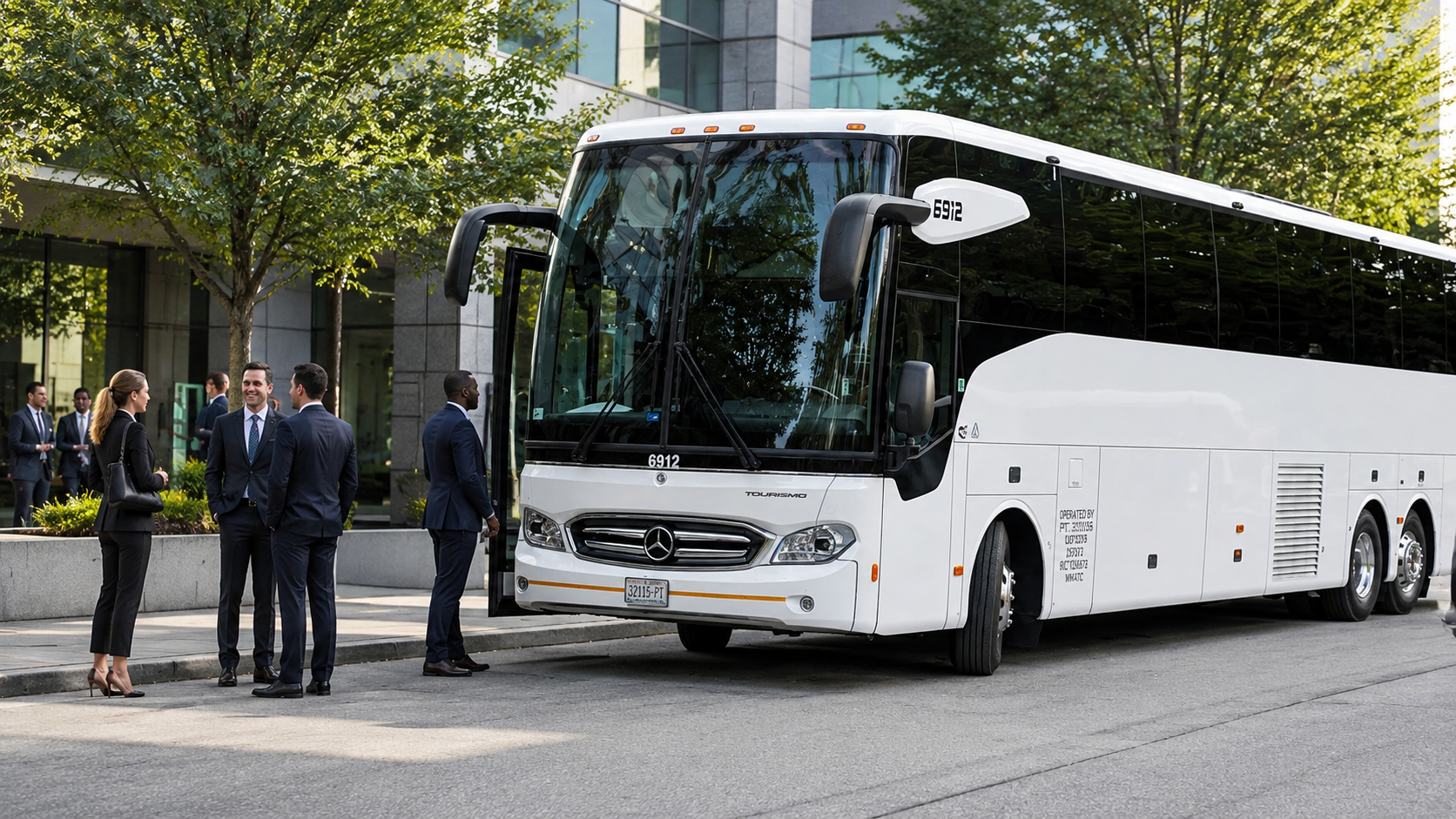
Throughout the museum, larger-than-life artifacts serve as potent reminders of the scale of the attacks. These include mangled remnants of emergency vehicles, such as a fire truck, its steel twisted beyond recognition, standing as a testament to the bravery of first responders. Sections of the iconic WTC steel tridents, which formed the distinctive base of the original towers, are displayed, their grandeur now juxtaposed with their tragic fate. These artifacts are not merely exhibits; they are physical echoes of the events, carrying the weight of history in their very material. Each piece is meticulously preserved and presented, allowing visitors to confront the physical reality of the destruction and the resilience of human spirit that emerged from it. Are you planning a visit to the National September 11 Memorial & Museum with a group? Navigating New York City with multiple people can be challenging. Consider simplifying your travel logistics by booking a comfortable and reliable bus rental service. Whether for a school trip, corporate outing, or family reunion, a private charter bus ensures everyone travels together efficiently and stress-free, directly to the museum's doorstep. For seamless group transportation, visit Bus Rental.
Popular Bus Types




Getting there from central new york city
The National September 11 Memorial & Museum is conveniently located in Lower Manhattan, making it highly accessible from various points across New York City. Here are the most efficient ways to reach the site:
Subway access
The subway is often the quickest and most straightforward way to get to the memorial and museum. Several lines have stations within a short walking distance: * E train
: World Trade Center station * A C J Z 2 3 4 5 trains
: Fulton Center station (a major transportation hub with connections) * R W trains
: Cortlandt Street station (directly beneath the Oculus and World Trade Center Transportation Hub) * 1 train
: WTC Cortlandt station * 4 5 trains
: Wall Street station (a slightly longer walk, but still viable) From Midtown Manhattan, a ride on the E train directly to World Trade Center is often the simplest route. Alternatively, taking the A or C train to Fulton Center and then walking a few minutes is also very convenient.
Bus routes
Several MTA bus lines serve the Lower Manhattan area, providing additional options for reaching the memorial: * M20 bus
: Northbound/Southbound, with stops near the site * M55 bus
: Northbound/Southbound, also with nearby stops Using bus apps or real-time tracking is recommended to find the most current routes and schedules from your specific starting point.
Walking from nearby attractions
If you are already exploring other Lower Manhattan sights, the memorial is easily reachable on foot: * From City Hall/Brooklyn Bridge
: Approximately a 10-15 minute walk south along Broadway. * From Battery Park/Statue of Liberty Ferry
: Approximately a 10-15 minute walk north along West Street or Greenwich Street. * From Wall Street/Financial District
: A 5-10 minute walk west or north-west. Walking allows visitors to take in the vibrant streetscapes and historic architecture of Lower Manhattan, gradually approaching the solemnity of the memorial site.
Photo Gallery



Approximate pricing for museum admission
Admission to the 9/11 Memorial Plaza (the outdoor area with the reflecting pools and Survivor Tree) is free and accessible to the public daily. However, entry to the 9/11 Memorial Museum requires a ticket. Prices are subject to change, but here are general approximate admission costs:
| Ticket category | Approximate price (USD) |
|---|---|
| Adult general admission | $28 |
| Senior (65+) | $22 |
| US Veteran | $22 |
| US Student (with ID) | $22 |
| Youth (7-12) | $17 |
| Children (under 7) | Free |
| 9/11 Family members | Free |
| 9/11 Responders (with ID) | Free |
Frequently Asked Questions
What is the National September 11 Memorial & Museum?
Where is the Memorial & Museum located?
What are the operating hours?
How much does it cost to visit?
How do I purchase tickets for the Museum?
What can I expect to see inside the Museum?
How long does a typical visit to the Museum take?
Is the Memorial & Museum accessible for visitors with disabilities?
Is photography allowed inside the Museum?
Read Also
OUR FLEET
Our Buses
Explore our modern, comfortable and well-maintained charter bus fleet.