Museum of Jewish Heritage New York
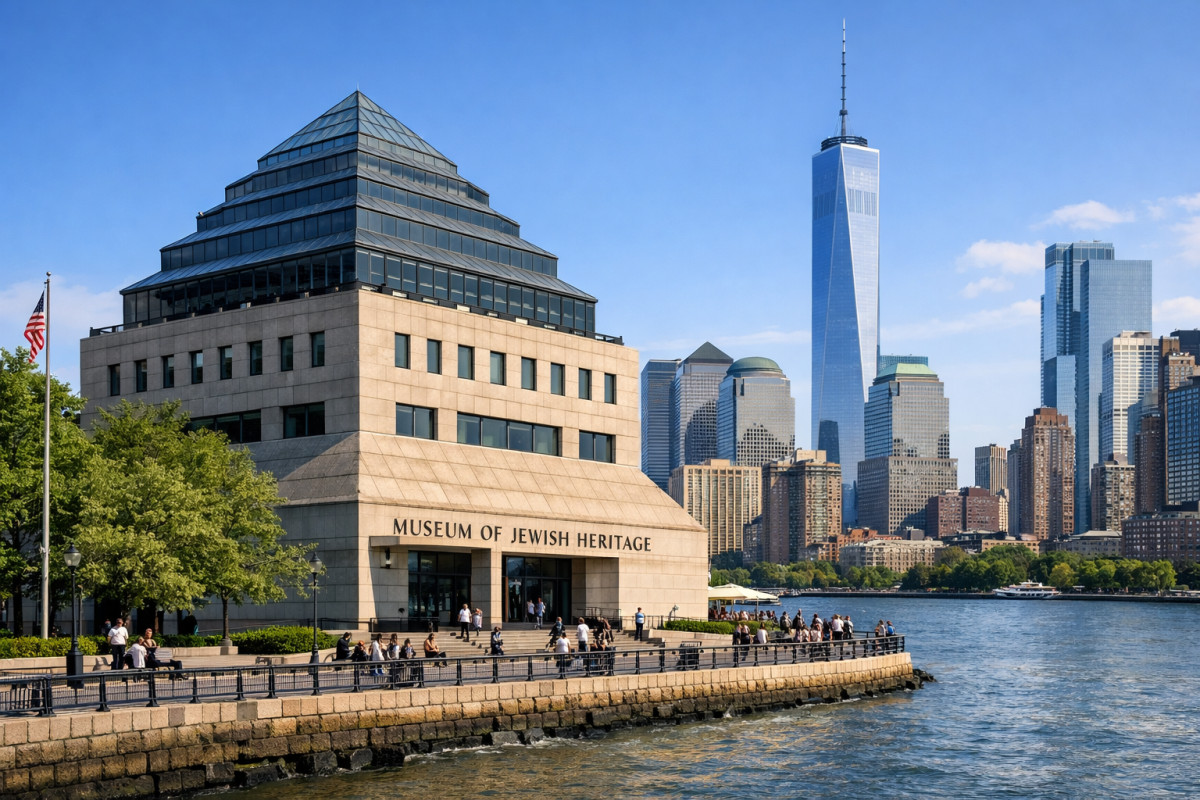
The Museum of Jewish Heritage stands as a poignant living memorial, dedicated to educating people of all backgrounds about Jewish life before, during, and after the Holocaust. Its architectural design, a six-sided building, is symbolic of the Star of David and the six million Jews murdered in the Holocaust, immediately conveying a deep sense of purpose and remembrance. The museum is not merely a repository of artifacts; it is a vital center for dialogue, reflection, and the perpetuation of memory, ensuring that future generations grasp the full scope of human experience and resilience.
Upon entering, visitors are invited into a meticulously curated environment designed to evoke profound understanding and empathy. The thematic arrangement of its core exhibition guides one through a complex narrative, emphasizing the vibrancy of Jewish culture and traditions that flourished across the globe prior to the atrocities of the mid-20th century. This initial segment beautifully showcases the richness of Jewish communities, their contributions to arts, sciences, and society, setting a crucial context for what follows.
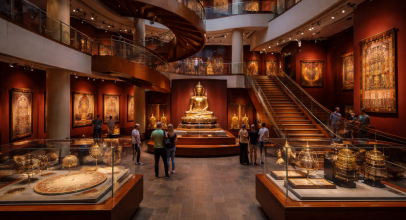
The museum masterfully utilizes a diverse array of mediums, from deeply personal artifacts to powerful multimedia presentations, to immerse visitors in the stories it tells. Each display is a testament to lives lived, dreams pursued, and the enduring human spirit. It seeks to humanize the experience, moving beyond statistics to focus on individual voices and their journeys.
Exploring the museum's core narratives
The permanent exhibition a journey through modern Jewish life
The museum's main exhibition offers an immersive exploration of modern Jewish history, thoughtfully divided into three key sections. The first part vividly portrays Jewish life and culture in the century leading up to the Holocaust, showcasing a dynamic period marked by innovation, community building, and rich cultural traditions across Eastern Europe, North Africa, and the Americas. It illuminates the myriad ways Jewish people contributed to and were integrated into broader societies, highlighting their unique customs, languages, and artistic expressions.
The subsequent section confronts the Holocaust directly, presenting an unflinching yet sensitive portrayal of the systematic persecution and genocide. This segment is characterized by powerful personal accounts, poignant artifacts, and evocative imagery that together narrate the unfolding tragedy. It is designed to foster a deep connection with the victims and survivors, reminding visitors of the individuality of each life lost and the courage of those who resisted.
“The museum’s narrative is a profound testament to the strength of memory, demonstrating how even in the face of unimaginable darkness, the human spirit strives for continuity and hope.”
The final part of the exhibition focuses on the aftermath and renewal, detailing the resilience of survivors, the rebuilding of communities, and the establishment of new homes in Israel and around the world. It celebrates the enduring spirit of the Jewish people, their commitment to remembrance, and their ongoing contributions to global culture and society in the decades following World War II. This segment concludes with a powerful message of hope and the importance of safeguarding human rights for all.
Echoes of memory confronting the holocaust through personal stories
One of the most impactful aspects of the museum is its dedication to personal testimonies. Through extensive oral history archives, visitors can listen to or watch video recordings of Holocaust survivors recounting their experiences in their own words. These first-hand accounts are incredibly powerful, providing an unfiltered and deeply emotional connection to history. The museum emphasizes these individual narratives to ensure that the Holocaust is understood not as a distant event but as a collection of millions of personal tragedies and triumphs of survival.
These testimonies are complemented by a vast collection of personal items: photographs, letters, diaries, clothing, and other everyday objects. Each artifact tells a story, offering a tangible link to the lives of those who experienced the Holocaust. They serve as silent witnesses to history, imbued with the personal histories and emotions of their original owners, transforming abstract historical events into deeply human experiences.
Reflecting on resilience and continuity
Beyond the historical accounts, the museum dedicates significant space to celebrating contemporary Jewish life. Exhibits explore the diverse facets of Jewish identity, culture, and community in the 21st century. This includes showcasing modern Jewish art, music, literature, and social activism. The focus here is on the evolution and adaptability of Jewish communities, highlighting their ongoing vitality and their contributions to the global cultural mosaic.
The emphasis on continuity serves as a vital counterpoint to the narratives of destruction and loss, underscoring the enduring legacy and future of Jewish heritage. It is a powerful statement about overcoming adversity and the importance of preserving cultural identity across generations. Visitors leave with an understanding that while the past is remembered, the present is vibrant and the future holds promise.
Typical bus rental prices:
| Bus Type | Per Hour | Per Day |
|---|---|---|
| 56-Passenger | $165 – $200 | $1,450 – $1,950 |
| Luxury Van | $100 – $125 min 6 hours | $1,100 – $1,250 10 hours |
Significant artistic installations and unique features
Garden of stones by andy goldsworthy
Outside the museum, a profound and thought-provoking installation awaits: the "Garden of Stones" by renowned environmental artist Andy Goldsworthy. This unique garden features 18 live oak saplings growing through large, hollowed-out boulders. The number 18 holds symbolic significance in Judaism, representing "chai" or life. The trees, pushing through the hard stone, symbolize struggle, survival, and rebirth, embodying the enduring spirit of the Jewish people and the regeneration of life even after immense hardship.
The garden’s design encourages quiet contemplation and reflection, offering a serene yet powerful space that complements the indoor exhibitions. Its natural elements contrast with the museum’s structured displays, providing a different, more organic pathway to understanding themes of resilience and memory. The changing seasons bring new dimensions to the garden, reflecting the ongoing cycle of life and renewal.
Views and location at battery park city
The museum's location in Battery Park City, at the southern tip of Manhattan, offers more than just historical depth; it provides breathtaking panoramic views. From certain vantage points within the museum and its surrounding grounds, visitors can gaze across the New York Harbor at the iconic Statue of Liberty and Ellis Island. This vista adds another layer of meaning to the museum's mission, connecting the Jewish experience to the broader American story of immigration, freedom, and the pursuit of a better life.
“The strategic position overlooking the harbor offers a poignant backdrop, linking narratives of survival and journey with the timeless promise of liberty and new beginnings.”
The proximity to these landmarks serves as a powerful reminder of the journeys many Jewish immigrants undertook to find refuge and opportunity in America. It underscores the values of democracy and human rights that the museum implicitly champions, making the entire visit a more expansive and deeply contextualized experience.
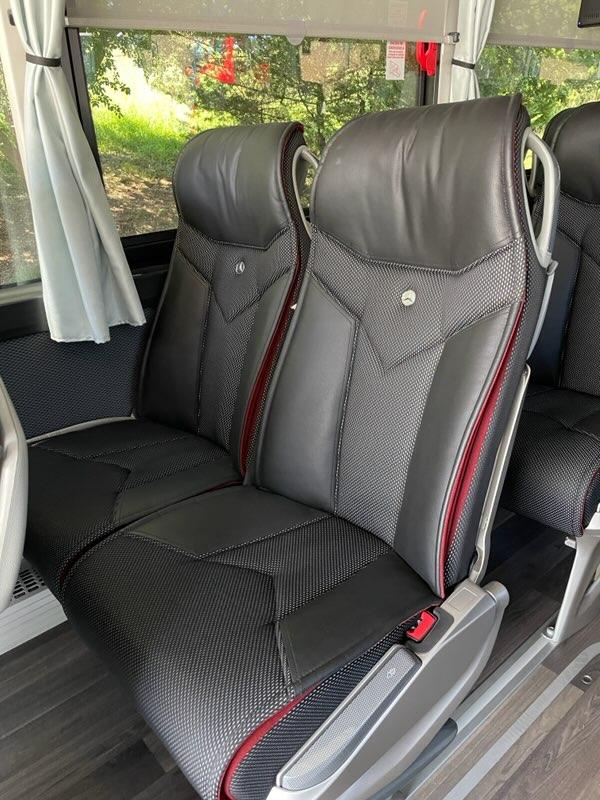
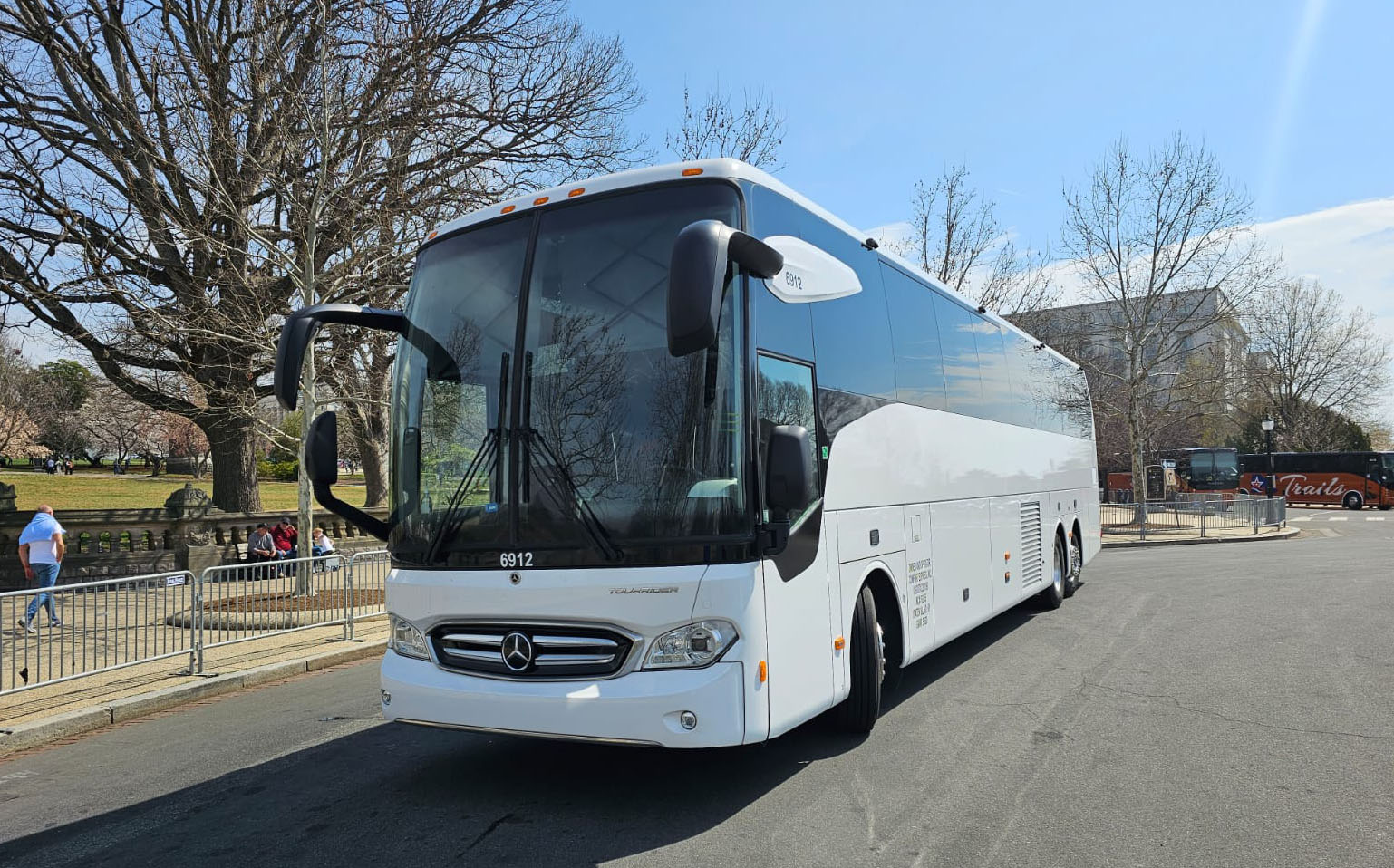
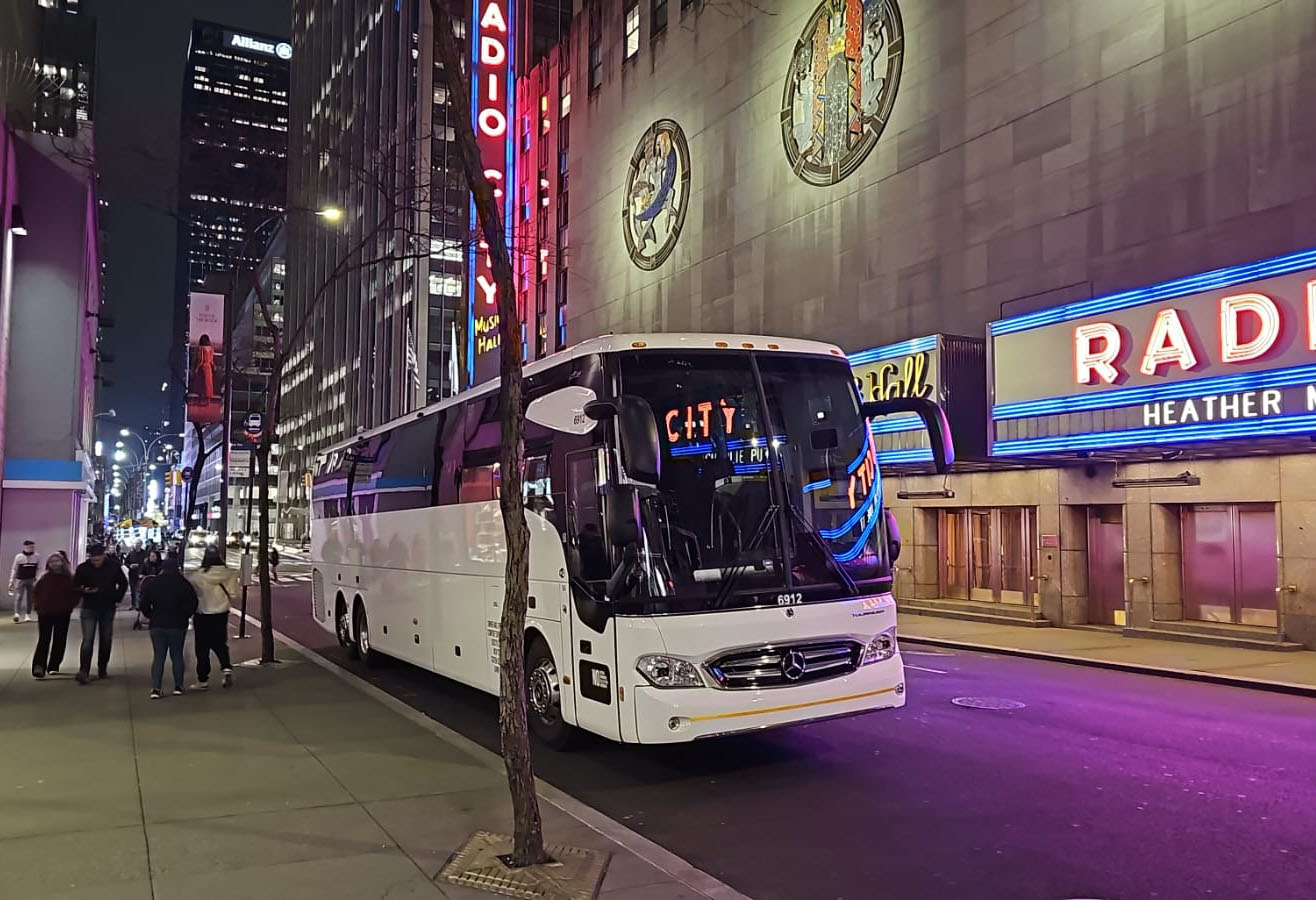
For those planning a group visit to the Museum of Jewish Heritage, consider the convenience and comfort of a dedicated transport service. Organizing travel for multiple individuals can be complex, but with a reliable provider, your group can enjoy a seamless journey to and from this significant landmark. Ensure your trip is stress-free by arranging for comfortable and efficient transportation. You can easily book your group's ride here: Bus Rental.
Popular Bus Types




Special exhibitions and dynamic programming
In addition to its permanent collection, the Museum of Jewish Heritage regularly hosts a variety of special exhibitions. These temporary displays delve into diverse topics ranging from contemporary art and photography related to Jewish themes, to specific historical events or cultural movements. They provide fresh perspectives, introduce new research, and keep the museum's offerings dynamic and engaging for repeat visitors.
These exhibitions often feature rare artifacts, documents, and interactive elements that highlight different facets of Jewish culture and history that might not be covered in the permanent display. They serve as platforms for exploring contemporary issues through a Jewish lens, fostering dialogue and deeper understanding among diverse audiences. The museum also offers a rich calendar of public programs, including lectures, film screenings, concerts, and educational workshops, further enriching the visitor experience and reinforcing its role as a vibrant cultural institution.
Photo Gallery




Approximate prices for visiting
Entry fees help support the museum's vital work in education and remembrance. Here is an approximation of ticket prices:
| Category | Price (Approximate) |
|---|---|
| Adults | $18 |
| Seniors (65+) | $12 |
| Students (with valid ID) | $10 |
| Children (12 and under) | Free |
| Members | Free |
| Veterans | Free |
It is always recommended to check the museum's official website for the most current pricing, special discounts, or any changes to admission policies before planning your visit.
How to get there from manhattan city center
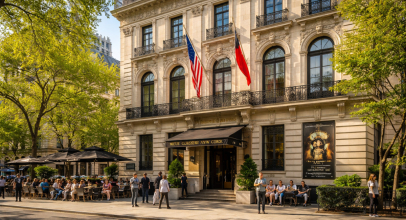
The Museum of Jewish Heritage is conveniently located at 36 Battery Place in Battery Park City, accessible from various parts of Manhattan. Public transportation is highly recommended for ease of access.
By subway
- 1 Train (Red Line): Take the 1 train downtown to its last stop, South Ferry. From there, the museum is a short 5-7 minute walk west along Battery Place.
- R or W Train (Yellow Line): Take the R or W train downtown to Whitehall Street. Exit towards the Staten Island Ferry terminal, and then walk west on Battery Place for about 7-10 minutes.
- 4 or 5 Train (Green Line): Take the 4 or 5 train downtown to Bowling Green. From Bowling Green, it’s approximately a 10-12 minute walk west towards the water and along Battery Place.
By bus
- M20 Downtown: Take the M20 bus towards South Ferry. This bus has a stop directly in front of the museum on Battery Place.
- M15-SBS Downtown: Take the M15 Select Bus Service towards South Ferry. Disembark near the Staten Island Ferry terminal and walk west on Battery Place.
By ferry
- Staten Island Ferry: If you are coming from Staten Island or simply enjoying the free ferry ride, the Whitehall Terminal is a short walk from the museum.
- NYC Ferry/NY Waterway: Various ferry services operate to Battery Park City/Pier 11, which are also within walking distance of the museum, offering scenic routes from other boroughs or New Jersey.
By taxi or rideshare
Taxis and rideshare services (like Uber or Lyft) can drop you directly at the museum's entrance at 36 Battery Place. This is often the most convenient option for those with limited mobility or carrying bags.
Walking and cycling
For visitors already in Lower Manhattan, the museum is easily reachable by a pleasant walk along the waterfront paths of Battery Park City. There are also bike racks available for cyclists.
Frequently Asked Questions
What is the Museum of Jewish Heritage – A Living Memorial to the Holocaust?
What is the best way to get to the Museum by public transportation?
Is photography allowed inside the Museum?
Does the Museum have a cafe or gift shop?
Is the Museum accessible for visitors with disabilities?
What can I expect to see at the Museum?
How much does admission cost and how can I purchase tickets?
What are the Museum's operating hours?
Where is the Museum located?
Does the Museum offer educational programs or events?
Read Also

OUR FLEET
Our Buses
Explore our modern, comfortable and well-maintained charter bus fleet.