Government & Military Transportation in New York
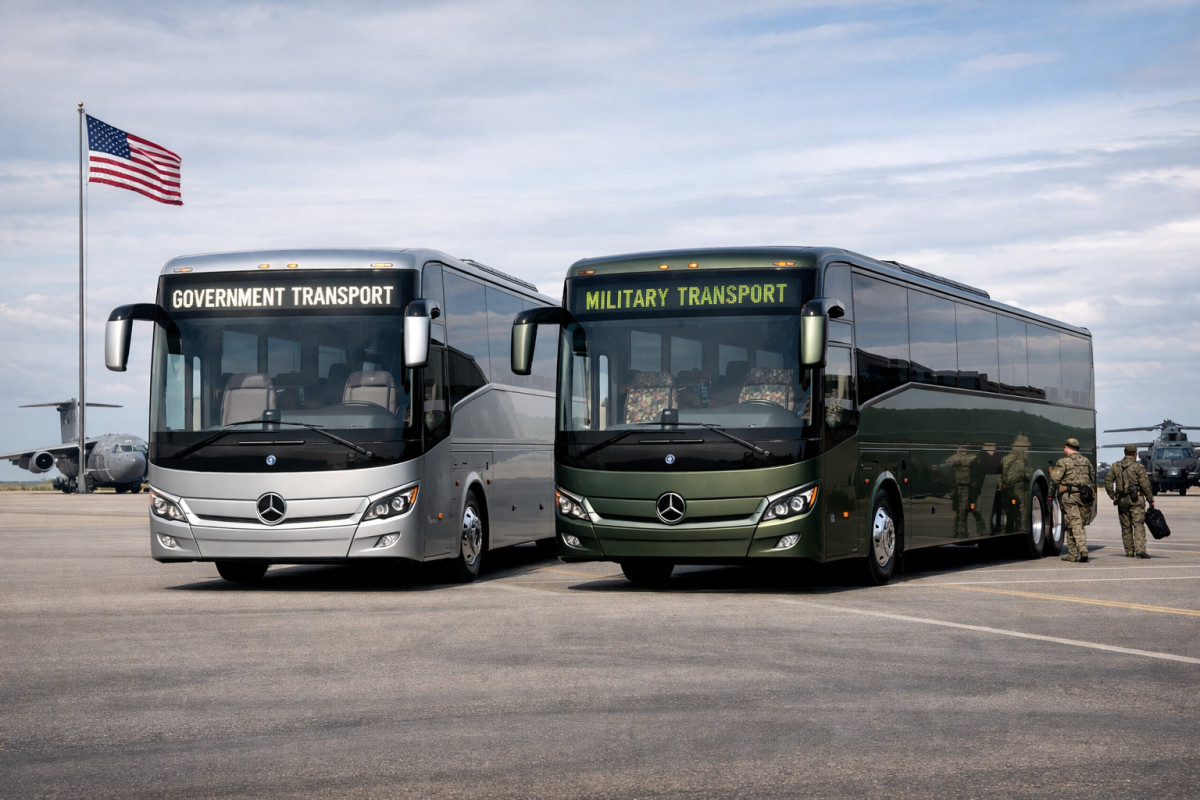
New York has always been a city where authority, responsibility, and public service intersect. Behind the visible rhythm of civic life — official meetings, security briefings, ceremonial events — lies a quieter system of movement that must function with absolute reliability. Government & military transportation in New York City is built on discipline, precision, and trust, where every journey carries more weight than distance alone.
In this environment, transportation is not symbolic — it is operational. Bus rental solutions designed for government and military use must deliver calm, structure, and consistency in a city that rarely offers any of these by default. A modern charter bus becomes a controlled space, moving smoothly through urban complexity without drawing attention or creating disruption.
The role of transportation in government and military operations
For government agencies and military units, movement is inseparable from mission readiness. Whether transporting personnel to official events, training facilities, command centers, or coordinated operations, transportation must support efficiency and security at every stage.
In New York, where congestion and unpredictability are constants, centralized transportation provides clarity. A charter bus keeps teams together, aligned, and on schedule, reducing exposure to delays and logistical uncertainty.
In government and military logistics, reliable transportation is not a convenience — it is an extension of command and control.
Bus rental allows agencies to plan movement with confidence, ensuring that time, personnel, and resources remain synchronized even under pressure.
Popular Bus Types




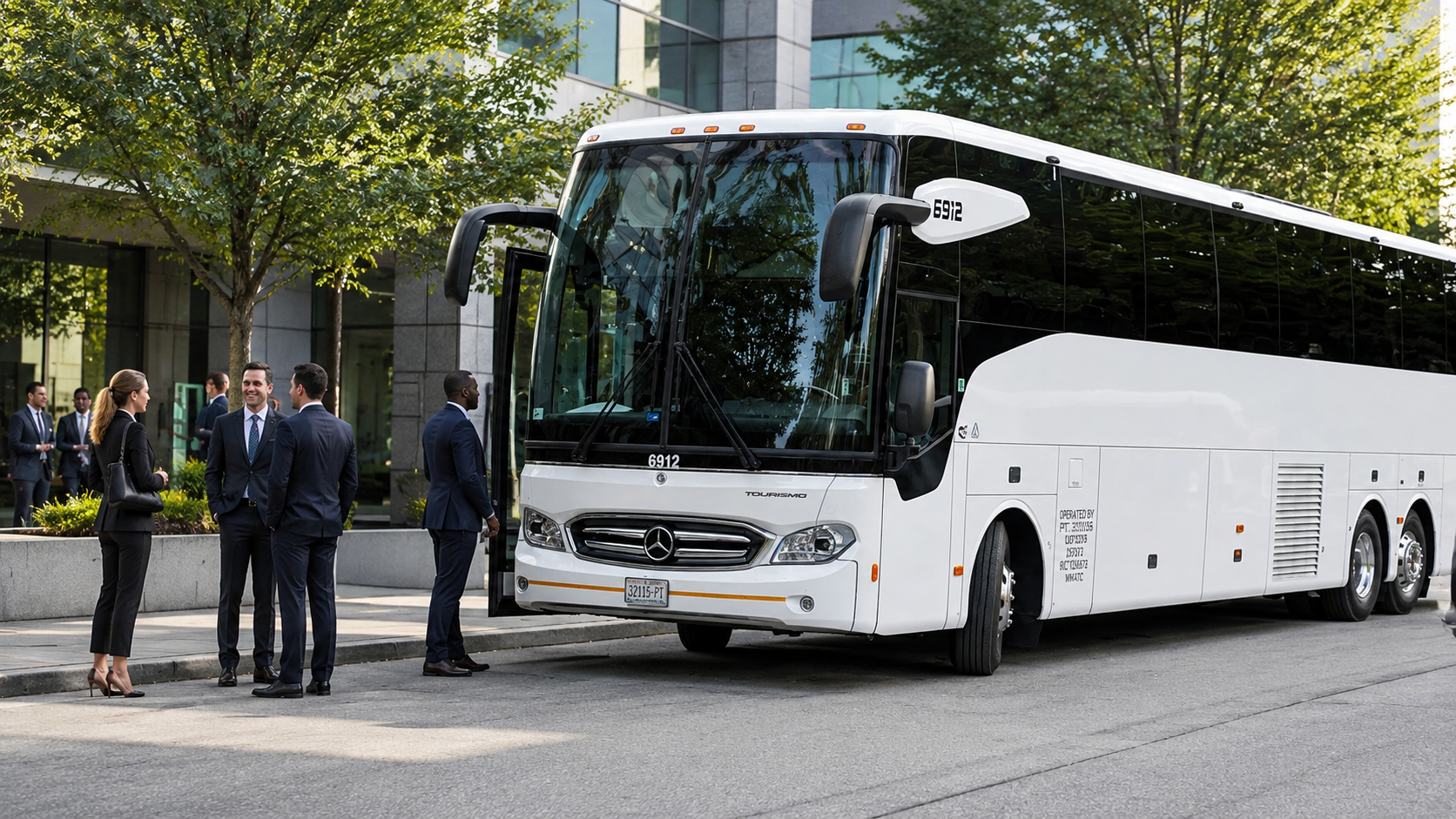
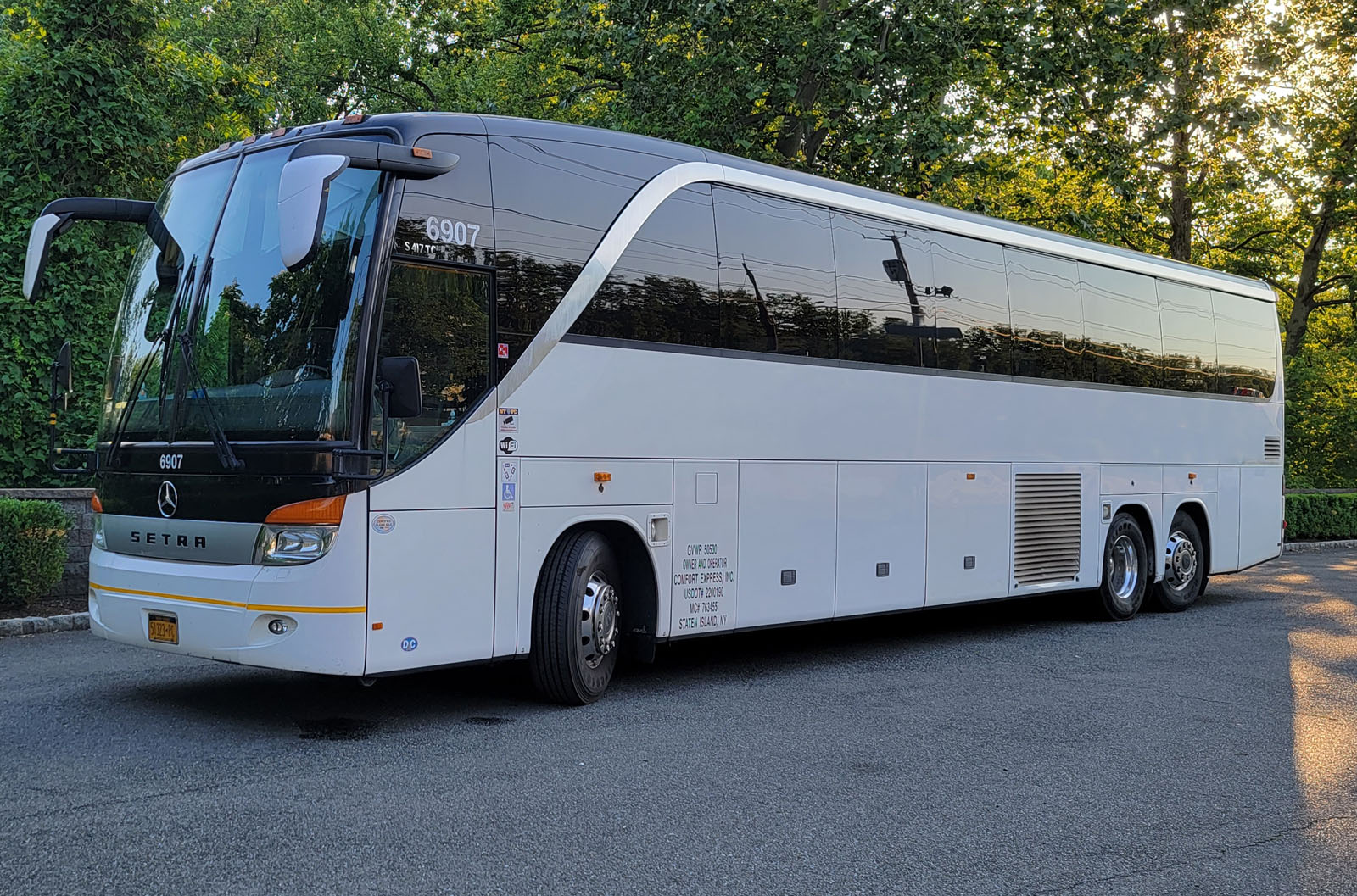
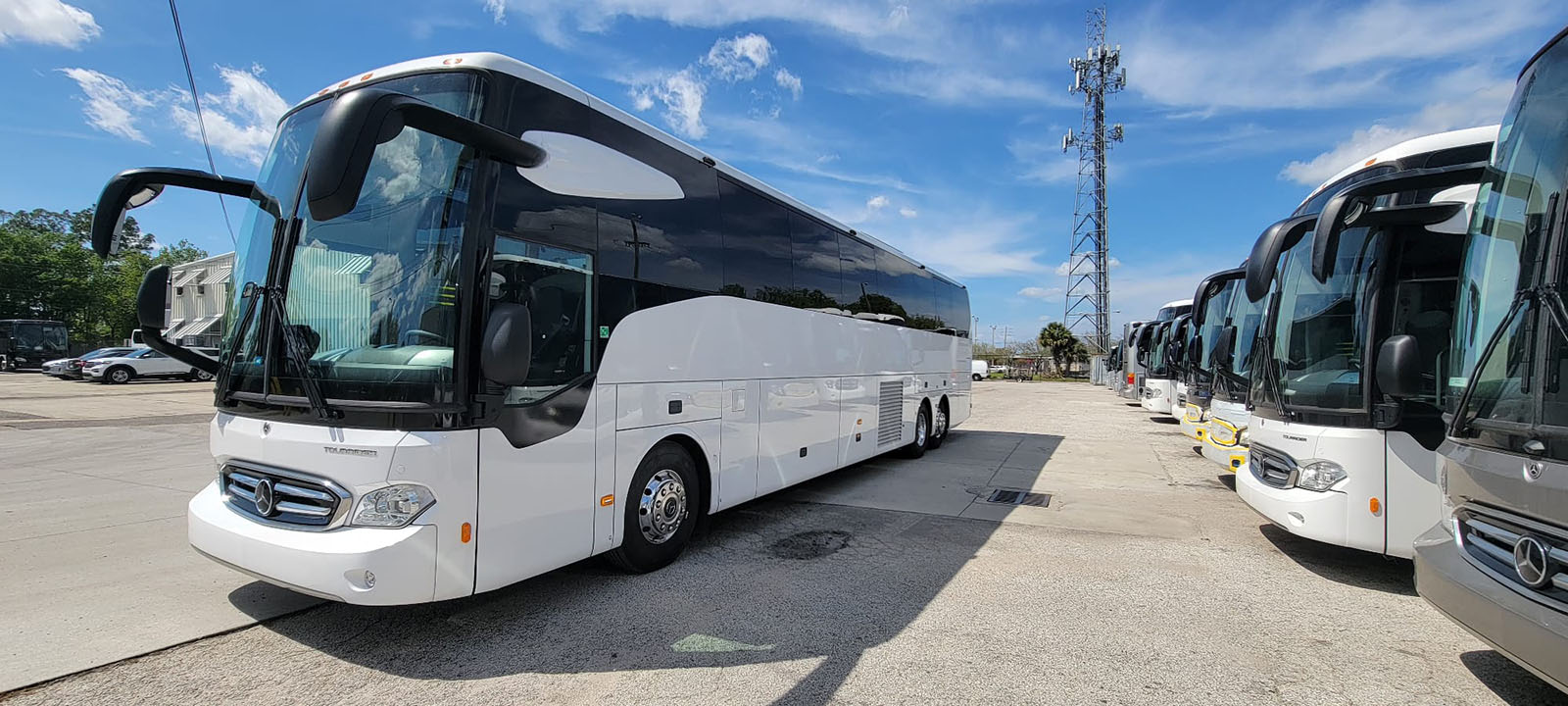
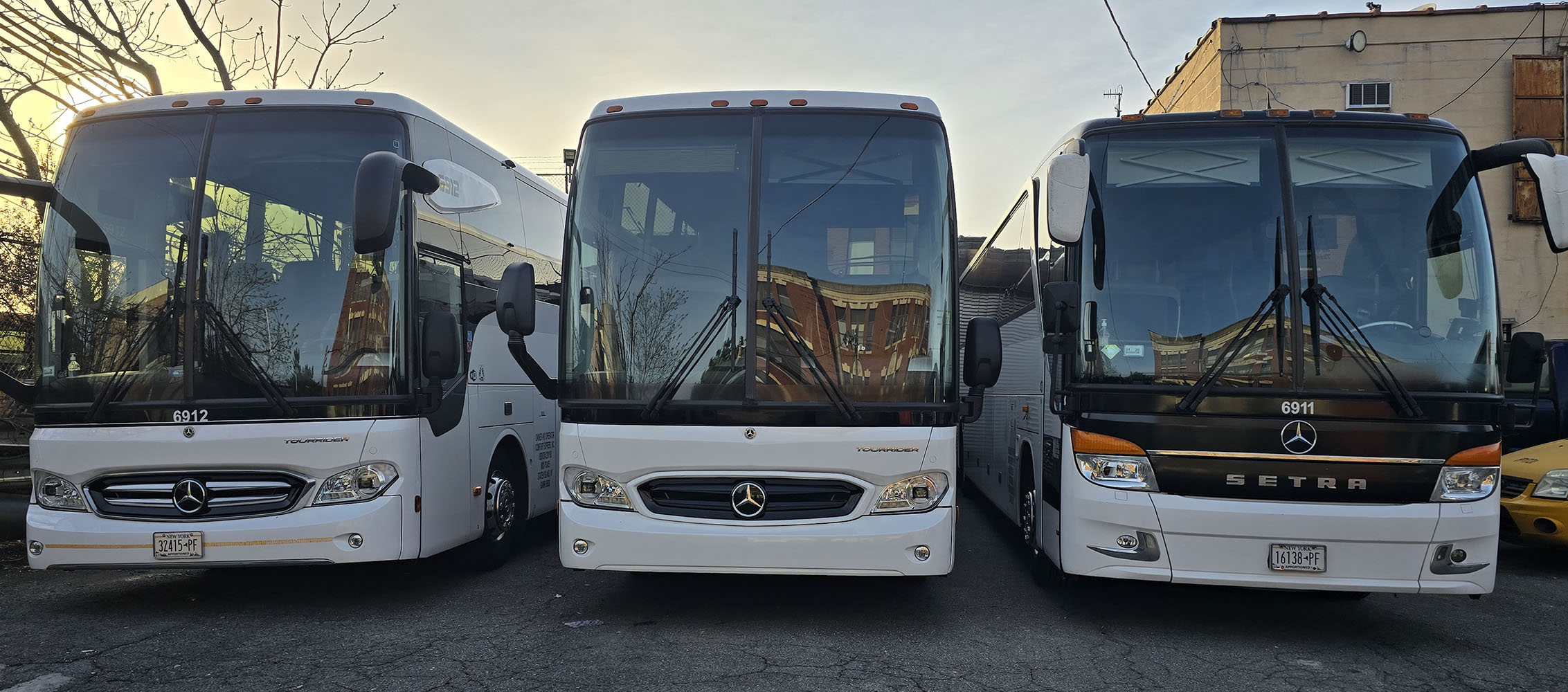
Mercedes-Benz Tourrider as a secure and dignified solution
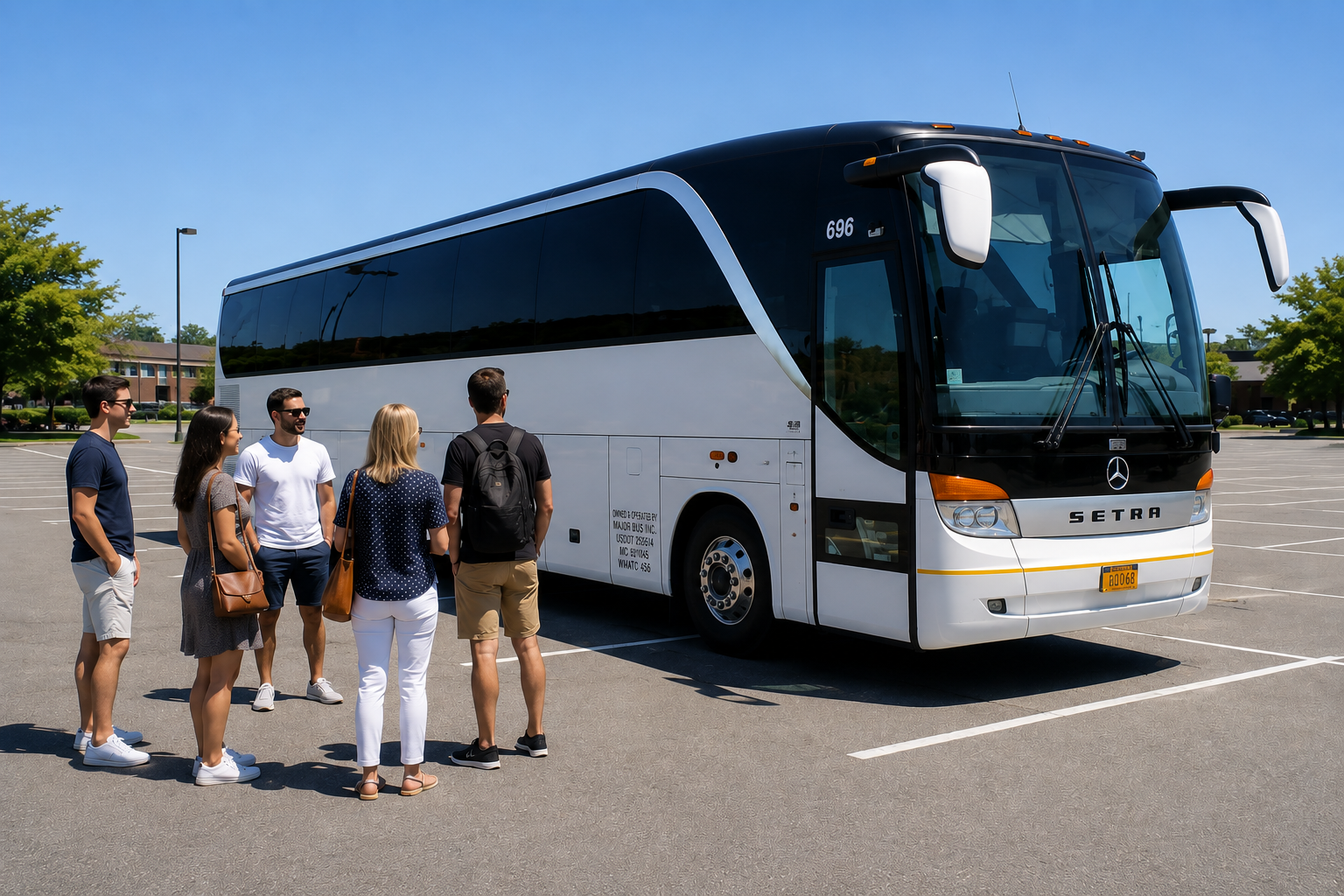
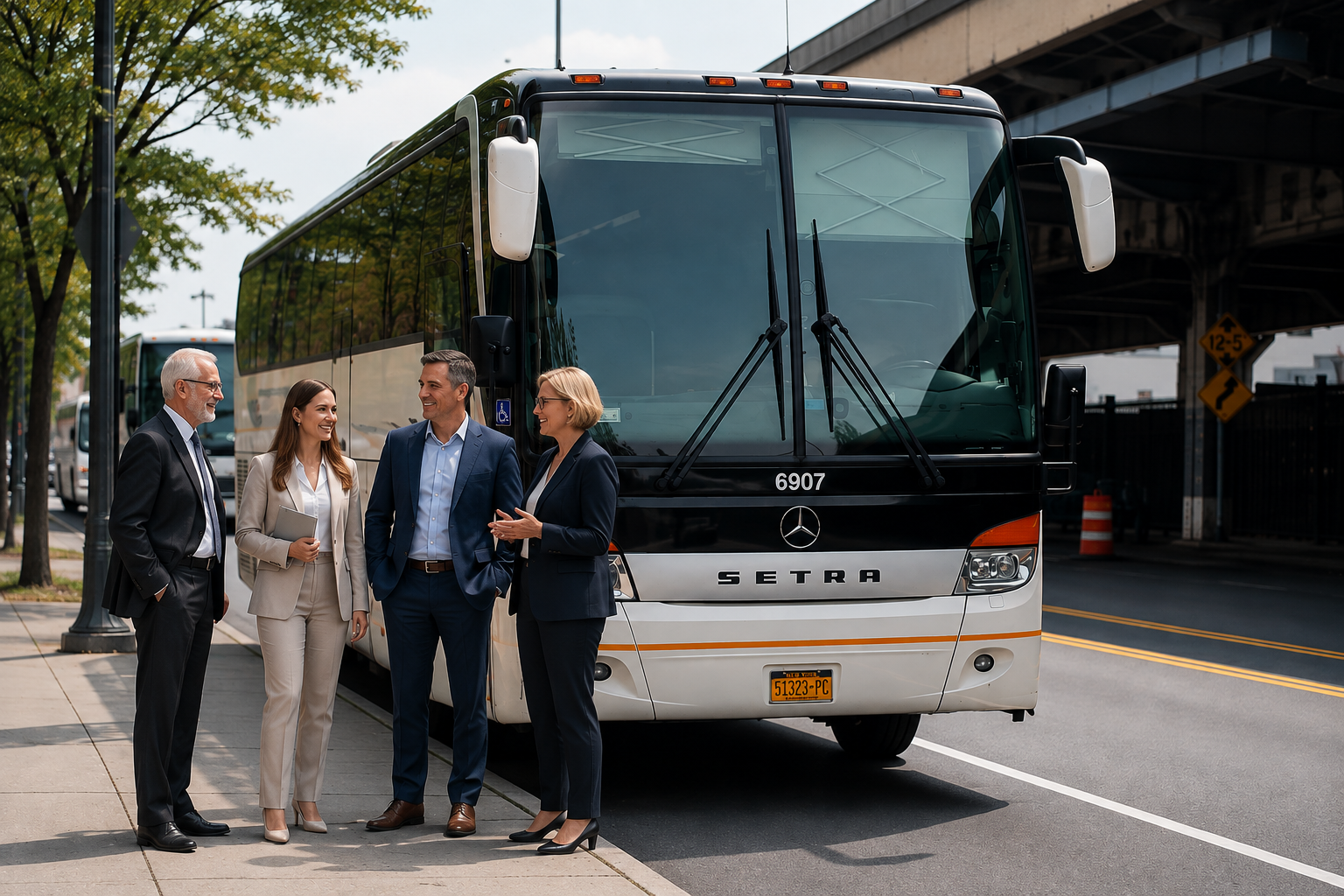
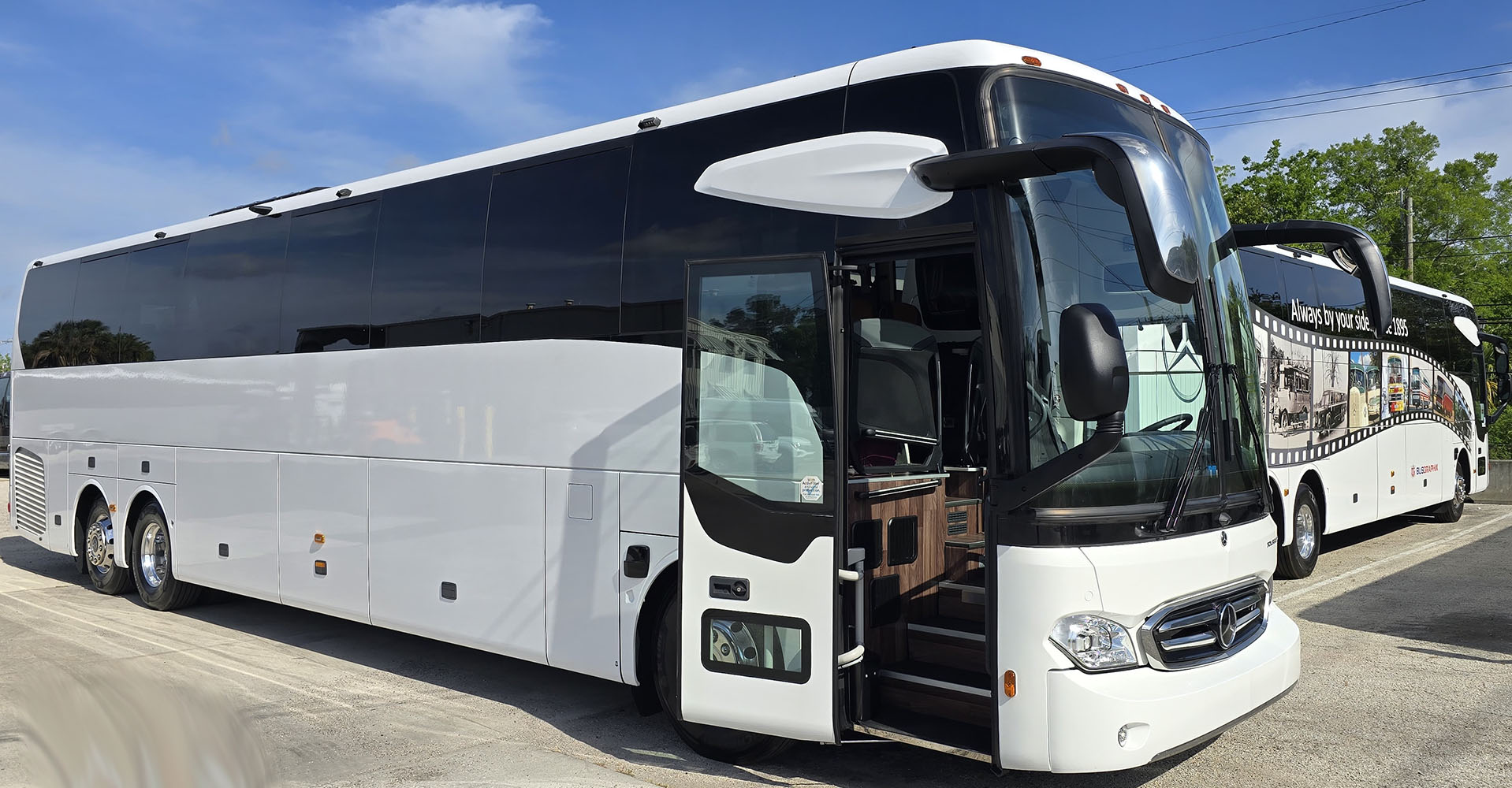
The Mercedes-Benz Tourrider offers a refined balance between discretion and comfort, making it well suited for government and military transportation in New York. Its design emphasizes stability, quiet operation, and professional presence without unnecessary visibility.
This is not a vehicle that demands attention. It commands respect through restraint. Inside, the atmosphere supports focus and composure, essential qualities for officials and service members alike.
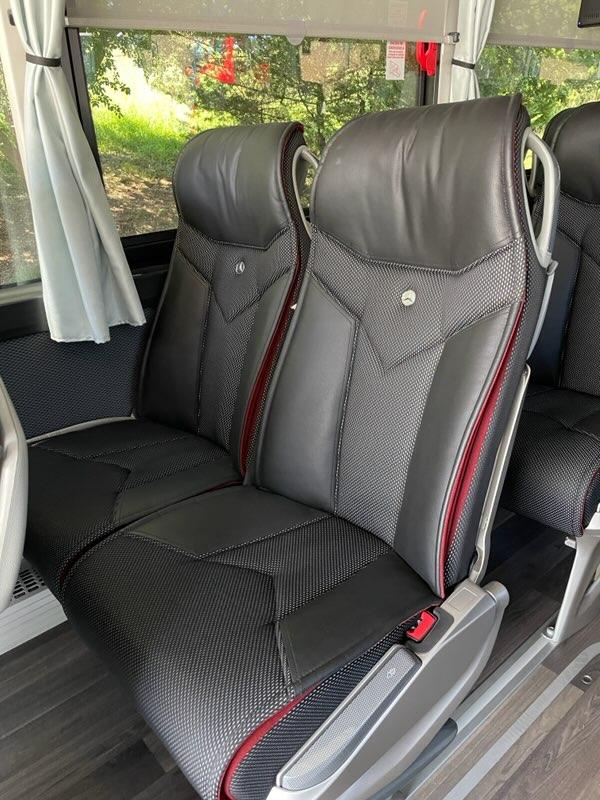
Interior environment built for focus and endurance
Long days, extended routes, and demanding schedules require a transportation environment that preserves energy rather than drains it.
-
Wide, supportive reclining seats with ample spacing
-
Advanced climate control for year-round comfort
-
Low-noise cabin that allows conversation or rest
-
Smooth suspension that minimizes fatigue
This interior transforms the charter bus into a mobile extension of official space, where preparation and recovery can happen naturally between destinations.
Onboard amenities that support operations
Modern government and military travel often involves communication, coordination, and briefing even while in transit. The Tourrider accommodates this reality seamlessly.
-
Onboard restroom to avoid unscheduled stops
-
High-speed WiFi for secure communication and updates
-
Flat-screen televisions for briefings or informational content
-
Power outlets and USB ports at every seat
When transportation supports continuity, operations remain fluid even while moving through the city.
These features ensure that time spent in transit remains productive and controlled, reinforcing operational discipline.
Photo Gallery

Use cases for government and military charter bus services
New York hosts a wide range of official activities that depend on structured group transportation. Bus rental adapts to each scenario without compromising standards.
-
Government delegations and official visits
-
Military personnel transfers and unit movements
-
Training exercises and coordinated briefings
-
Ceremonial events and commemorations
-
Emergency preparedness and response coordination
In each case, a charter bus provides unity and oversight, allowing leadership to maintain visibility and cohesion throughout the journey.
Typical bus rental prices:
| Bus Type | Per Hour | Per Day |
|---|---|---|
| 56-Passenger | $165 – $200 | $1,450 – $1,950 |
| Luxury Van | $100 – $125 min 6 hours | $1,100 – $1,250 10 hours |
Professional drivers and procedural discipline
Transportation for government and military use demands more than driving skill. It requires procedural awareness, discretion, and situational understanding. Drivers experienced in New York operations understand secure routes, controlled access points, and timing sensitivities.
Their role is quiet but critical. By anticipating congestion, adjusting routes, and maintaining composure, they ensure that movement remains predictable in an unpredictable city. This reliability allows agencies to focus on mission objectives rather than logistics.
Efficiency and responsibility in urban movement
Group transportation plays a significant role in managing the impact of official travel on the city. A single charter bus replaces multiple vehicles, reducing congestion and simplifying coordination.
Choosing organized bus rental for government and military transportation in New York reflects efficiency, responsibility, and respect for the urban environment.
This approach aligns operational needs with public accountability, an increasingly important balance in modern civic life.
The psychological value of moving together
There is a subtle but important human dimension to group transportation. When personnel travel together, alignment strengthens. Conversations clarify intent, silence reinforces focus, and shared movement builds cohesion.
Within the controlled space of a charter bus, teams transition mentally as well as physically. This shared journey supports readiness, professionalism, and mutual awareness — qualities essential to both government and military contexts.
Frequently Asked Questions
What types of government transportation are primarily involved in New York?
What role do military installations in New York play in transportation logistics?
How does government and military transportation manage movement within New York City's dense urban environment?
Are there specific regulations or exemptions for government and military vehicles in New York?
What are the primary transportation hubs used by government and military entities in New York?
How does the New York State Department of Transportation (NYSDOT) facilitate government and military movements?
What types of military air transport are commonly seen in New York's airspace?
How do government agencies in New York handle emergency transportation and disaster response?
Read Also









OUR FLEET
Our Buses
Explore our modern, comfortable and well-maintained charter bus fleet.