Kingman Island Park in Washington
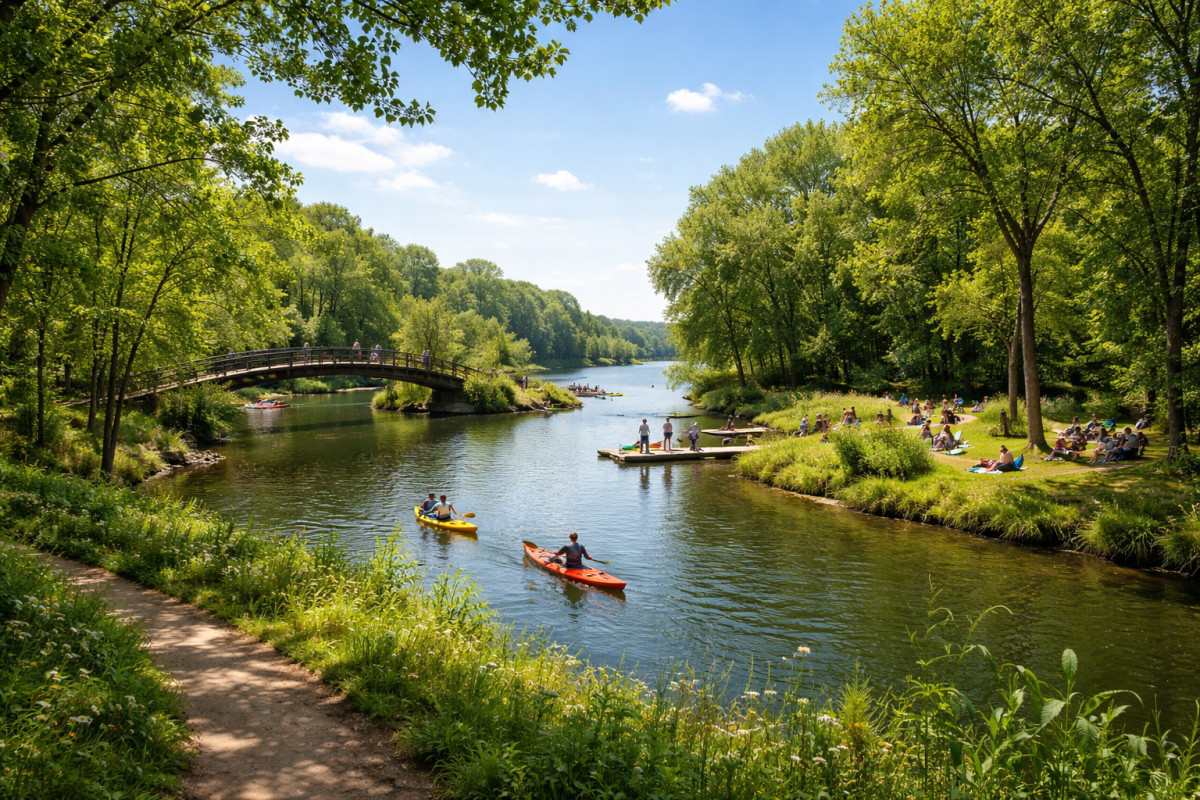
Discovering kingman island park's urban wilderness
Kingman Island Park offers a remarkable respite from the urban tempo of Washington, D.C., presenting itself as a vibrant ecological treasure situated directly within the city's embrace. This unique urban wilderness, cradled by the Anacostia River, provides an unparalleled opportunity for residents and visitors alike to immerse themselves in nature without venturing far from the monumental core. It stands as a testament to successful ecological restoration, transforming a former dredge spoil site into a thriving habitat rich with biodiversity. The island's strategic location ensures easy accessibility, making it an ideal destination for spontaneous outdoor adventures or planned excursions focused on environmental appreciation and active recreation. Its evolving landscape tells a compelling story of urban renewal, demonstrating how dedicated conservation efforts can cultivate a robust natural environment, fostering both ecological health and community engagement right where it’s needed most.
Unveiling the island's natural wonders
Diverse ecosystems and wildlife
Kingman Island Park is a mosaic of diverse ecosystems, a biological hotbed thriving along the Anacostia River. Visitors are greeted by a striking variety of habitats, including emergent marshlands, wooded areas, and serene open fields, each supporting a distinct array of flora and fauna. The island's wetlands are particularly vital, serving as critical filtration systems for the river and nurseries for numerous aquatic species. These areas teem with life, from resilient native plants like cattails and pickerelweed to a myriad of invertebrates that form the base of the food chain. Birdwatchers find Kingman Island to be an extraordinary spot, with its status as a vital stopover for migratory birds and a year-round home for various resident species. Expect to spot majestic ospreys diving for fish, graceful great blue herons wading in the shallows, and a vibrant spectrum of songbirds flitting through the riparian forests. The careful management of the island has allowed these ecosystems to flourish, creating a sanctuary where wildlife can thrive undisturbed, offering spectacular viewing opportunities for those patient enough to observe.
The delicate balance of Kingman Island’s ecosystems reveals nature's incredible resilience, thriving against an urban backdrop.
Beyond the avian spectacle, the island’s waterways are home to various fish species, while its terrestrial zones provide refuge for small mammals, reptiles, and amphibians. Turtles bask on logs, frogs croak from the marsh, and dragonflies dart through the air, painting a vivid picture of a healthy, integrated ecosystem. The island’s commitment to native plant restoration has not only enhanced its aesthetic appeal but also solidified its role as a crucial resource for pollinator species, attracting a lively ensemble of butterflies and bees throughout the warmer months. This rich tapestry of life underscores the park’s immense ecological value and its significance as a living laboratory for environmental education.
Serene trails for exploration
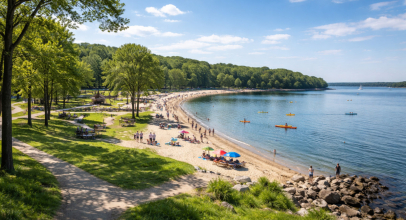
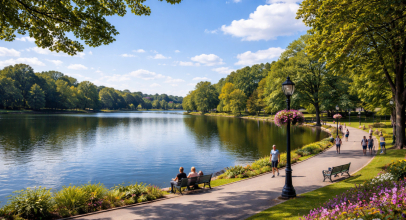
The network of trails weaving through Kingman Island Park offers an immersive experience into its tranquil landscape. These paths, varying in surface from paved sections suitable for strollers and wheelchairs to unpaved, natural tracks, invite visitors to explore at their own pace. Strolling along the island’s perimeter, one encounters captivating views of the Anacostia River, often dotted with kayakers or the occasional rowboat. The inner trails lead adventurers through dense thickets and open meadows, providing a sense of genuine escape from the city. Interpretive signage sporadically placed along the routes enhances the educational aspect, detailing the island’s ecological features, restoration efforts, and the identification of local flora and fauna. These trails are not merely pathways; they are gateways to sensory engagement, where the rustling of leaves, the chirping of birds, and the gentle current of the river create a soothing symphony.
Whether you're seeking a vigorous jog, a leisurely walk with family, or a quiet moment of reflection, Kingman Island’s trails cater to all. The carefully maintained routes ensure safety and accessibility, encouraging repeat visits to witness the island’s seasonal transformations. In spring, wildflowers burst forth in brilliant hues; summer brings lush green canopies; autumn showcases a spectacular display of changing leaves; and winter reveals the skeletal beauty of the trees and the stark clarity of the river. Each visit promises a different perspective, a fresh discovery, and a renewed connection with the natural world. The commitment to maintaining these pathways highlights the park’s dedication to providing an accessible and enriching outdoor experience for everyone who steps foot on its grounds, reinforcing its role as a vital community asset.
Engaging activities for every visitor
Paddle sports on the anacostia river
The Anacostia River, bordering Kingman Island, presents an exceptional venue for paddle sports, inviting adventurers to experience the park from a unique aquatic perspective. Kayaking, canoeing, and stand-up paddleboarding are popular choices, offering a peaceful yet exhilarating way to explore the river’s serene waters and observe the island’s shorelines. Launch points are conveniently located, allowing easy access for those bringing their own equipment, and various local organizations often provide rental services and guided tours, particularly during the warmer months. Gliding across the water, paddlers gain an intimate view of the diverse riparian habitats, often encountering waterfowl, turtles, and even river otters in their natural environment. The calm currents around the island make it an ideal spot for both seasoned paddlers and beginners looking to hone their skills in a picturesque setting. Safety is paramount, and it’s advisable to check river conditions and wear appropriate safety gear.
Paddling around Kingman Island offers a unique vantage point, revealing the river's dynamic life and the island's secluded beauty.
Participating in paddle sports not only offers physical activity but also fosters a deeper appreciation for the Anacostia River’s ecological recovery and its vital connection to Kingman Island. It’s an opportunity to witness firsthand the impact of ongoing restoration efforts, as clear waters reflect thriving ecosystems along the banks. Many find the tranquility of paddling to be profoundly meditative, a perfect antidote to urban stresses. The ability to navigate the water at one's own pace, pausing to observe wildlife or simply soak in the peaceful surroundings, makes paddle sports an essential part of the Kingman Island experience. These water-based activities transform a visit from merely observing nature to actively engaging with it, creating lasting memories and a sense of harmony with the environment.
Cycling adventures and scenic routes
Kingman Island Park is seamlessly integrated into Washington D.C.’s extensive network of bike trails, making it a prime destination for cyclists of all levels. The Anacostia Riverwalk Trail, a paved pathway that encircles the island and extends along both banks of the Anacostia River, provides a smooth and scenic route for biking enthusiasts. This connectivity allows cyclists to easily access Kingman Island from various points across the city, transforming a casual ride into an engaging exploration of urban nature. The island itself features gravel and dirt trails suitable for mountain bikes or hybrid bicycles, offering a more rugged and adventurous experience for those looking to veer off the main paved path. Cycling around the island provides continuously changing perspectives, from open river views to shaded, forested stretches, ensuring a dynamic and visually stimulating ride.
The flat terrain of many of the island’s accessible trails makes it particularly inviting for families and casual riders, while the longer stretches of the Riverwalk Trail challenge more experienced cyclists. Bike racks are available at various entry points, offering convenience for those who wish to dismount and explore the island on foot. This dual accessibility-by bike and foot-enhances the park’s appeal, allowing visitors to combine different modes of exploration for a comprehensive experience. Cycling along these routes is not just about physical activity; it's about soaking in the natural beauty, observing the vibrant community life that often gathers near the park, and appreciating the green corridors that crisscross the nation’s capital. The well-maintained trails and clear signage contribute to a safe and enjoyable cycling adventure, firmly establishing Kingman Island as a key hub for urban recreation.
Environmental education and community initiatives
Kingman Island Park serves as a dynamic outdoor classroom and a vibrant hub for community engagement, largely facilitated by the dedicated efforts of organizations like the Living Classrooms Foundation. Their presence on the island transforms it into a living laboratory where environmental education is not just taught but experienced. Visitors, particularly students and community groups, can participate in a range of hands-on programs focused on ecological restoration, wildlife monitoring, and sustainable practices. These initiatives foster a deeper understanding of the Anacostia River watershed and the critical role Kingman Island plays within it. Volunteer opportunities are abundant, inviting individuals to contribute directly to the park’s health through activities such as invasive species removal, native plant propagation, and litter cleanups. These collective efforts are vital in maintaining the island’s delicate ecosystems and ensuring its long-term vitality.
True appreciation for nature stems from active participation in its preservation and understanding its intricate processes.
The community garden on Kingman Island exemplifies its role as a place of shared stewardship, where local residents cultivate plots, fostering both environmental sustainability and social connections. Workshops on gardening techniques, composting, and water conservation are frequently held, empowering community members with practical skills. The island also hosts numerous events throughout the year, from nature festivals and river cleanups to educational walks and cultural celebrations, all designed to connect people with their local environment. These initiatives underscore Kingman Island’s importance not just as a natural space but as a catalyst for environmental awareness and community building, demonstrating how an urban park can inspire collective action towards a greener, healthier future. The active involvement of volunteers and educational programs ensures that the island remains a cherished and protected resource for generations to come, continually enriching the lives of those who visit and contribute.
What not to miss at kingman island park
The anacostia river heritage trail
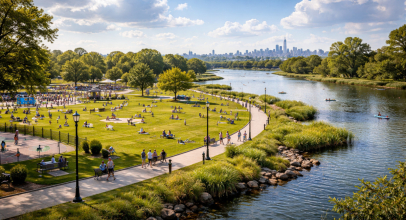
While exploring Kingman Island, the Anacostia River Heritage Trail is an absolute highlight not to be missed. This impressive trail, which includes the island’s circumference, offers more than just a path for recreation; it's a journey through the natural and cultural landscape of the Anacostia waterfront. As you traverse its smooth surfaces, you'll encounter a series of interpretive markers that subtly weave in details about the river's ecological transformation and the area’s rich, often overlooked, history. The trail provides expansive views of the river, connecting you visually to the larger watershed and the city skyline in the distance. It’s an ideal route for a long bike ride, a brisk run, or a leisurely walk, providing consistent access to beautiful river vistas and shaded areas. The design of the trail ensures it’s accessible to a wide range of users, making it a truly inclusive outdoor experience.
Birdwatching sanctuaries
Kingman Island is renowned among local birdwatchers as a prime location for observing a diverse array of avian species. The island’s varied habitats, from its marshlands to its forested sections, create perfect conditions for both resident and migratory birds. Early mornings and late afternoons are particularly rewarding, as these times often coincide with peak bird activity. Visitors should keep an eye out for belted kingfishers darting over the water, various species of ducks and geese congregating in the wetlands, and an assortment of warblers and finches flitting through the trees. Dedicated birdwatching spots, though not always explicitly marked, are often found along quieter stretches of the trails where dense foliage provides cover and observation points. Bringing binoculars is highly recommended to fully appreciate the intricate details and behaviors of these fascinating creatures. The park’s commitment to preserving natural habitats directly supports this vibrant avian population, making every visit a potential new discovery for bird enthusiasts.
Panoramic river vistas
One of the most captivating aspects of Kingman Island Park is its collection of panoramic river vistas. Numerous points along the island's perimeter offer breathtaking views of the Anacostia River as it winds its way through the urban landscape. These vantage points provide stunning photo opportunities, especially during sunrise or sunset when the sky paints vibrant hues across the water. From certain spots, visitors can appreciate the contrast between the wild beauty of the island and the distant urban skyline, a powerful reminder of nature’s enduring presence within the metropolis. These vistas are perfect for quiet contemplation, offering a peaceful setting to simply observe the river's flow, watch boats pass by, or witness the aerial acrobatics of local birdlife. Each overlook presents a slightly different perspective, encouraging visitors to explore the entire island to discover their own favorite spot for reflection and natural appreciation. The open expanses of the river provide a sense of freedom and vastness, making these panoramic views an unforgettable part of the Kingman Island experience.
The floating wetland project
An innovative and ecologically significant feature at Kingman Island Park is the Floating Wetland Project. These man-made islands, constructed with native vegetation, are designed to mimic natural wetlands and play a crucial role in improving the water quality of the Anacostia River. The plant roots on these floating platforms extend into the water, absorbing pollutants and providing habitat for aquatic microorganisms, fish, and invertebrates. This project serves as a visible example of creative ecological engineering and the ongoing efforts to restore the health of the river. Visitors can observe these unique structures from the trails, gaining insight into the practical application of environmental science. The floating wetlands not only contribute to the river’s purification but also add another layer of biodiversity, attracting specific bird and insect species that thrive in this type of habitat. It’s a compelling testament to the park's commitment to sustainable solutions and a truly unique sight that underscores the island's dedication to environmental stewardship and innovation.
Planning your visit how to get there
Public transportation from downtown washington
Reaching Kingman Island Park from downtown Washington, D.C., is straightforward and highly encouraged via public transportation, minimizing environmental impact and traffic concerns. The most efficient method involves the Washington Metro system. Visitors can take the Blue, Orange, or Silver lines directly to the Stadium-Armory station. Upon exiting the station, Kingman Island Park is conveniently accessible with a short and pleasant walk. The park entrance is generally a 10-15 minute walk from the metro station, following designated pedestrian paths that lead directly to the Anacostia Riverwalk Trail, which in turn provides access to the island. Additionally, several Metrobus routes service the area around Stadium-Armory, offering further connectivity from various parts of the city. Consulting the WMATA website or a real-time transit app will provide the most current schedules and route information, ensuring a smooth journey to this urban oasis.
Cycling and walking routes
For those who prefer active transportation, Kingman Island Park is exceptionally well-connected by walking and cycling routes. The Anacostia Riverwalk Trail is the primary artery for both pedestrians and cyclists, providing a scenic and safe passage directly to the island. From many points in Southeast D.C. and even Capitol Hill, the park is within comfortable cycling or walking distance, offering a refreshing way to arrive and immediately immerse oneself in the natural surroundings. Bike lanes and shared-use paths leading to the Riverwalk Trail make the approach enjoyable. Cyclists can make use of the various bike share programs available throughout D.C. if they do not have their own bicycle. Pedestrians will find the walk along the river particularly invigorating, with changing vistas and glimpses of wildlife along the way. These routes emphasize the park’s integration into the city’s green infrastructure, promoting healthy and sustainable modes of transport for park access.
Driving and parking information
While public transportation and active travel are recommended, Kingman Island Park is also accessible by car. Visitors driving to the park should be aware that parking is generally available in designated areas, though it can be limited, especially during peak seasons or event days. There is often parking available near the Stadium-Armory area, from which the park is a short walk, similar to metro access. Specific parking instructions and availability might vary, so checking local advisories or the park’s official website prior to your visit is always a good practice. Access roads to the immediate vicinity of the island are well-marked, typically leading off from Benning Road SE or East Capitol Street SE. When driving, always prioritize safety for pedestrians and cyclists who share the access routes. Carpooling is also encouraged to reduce traffic congestion and environmental impact, aligning with the park's commitment to sustainability.
For a seamless group outing to Kingman Island Park, consider a comfortable and convenient bus rental. Experience stress-free travel and focus on the natural beauty awaiting you. Explore options and book your journey at Bus Rental.
Essential tips for an enriching experience
Best times to visit
Choosing the optimal time to visit Kingman Island Park can significantly enhance your experience. Spring (April-May) is spectacular, with burgeoning flora, active migratory birds, and comfortable temperatures ideal for walking and cycling. The island bursts with new life and vibrant colors during this period. Summer (June-August) offers lush greenery and full access to water-based activities like kayaking, though temperatures can be high, making early mornings or late afternoons preferable. Autumn (September-November) transforms the landscape with stunning fall foliage, creating picturesque scenes perfect for photography and leisurely strolls, often accompanied by cooler, crisp air. Winter (December-March) presents a quieter, more serene side of the island; while foliage is sparse, it's an excellent time for spotting resident birds and appreciating the stark beauty of the bare trees against the river. Weekdays generally see fewer visitors than weekends, offering a more tranquil experience regardless of the season. Checking the park’s event calendar before your visit can also help you coincide your trip with interesting festivals, volunteer days, or educational programs.
What to bring
To ensure a comfortable and rewarding visit to Kingman Island Park, a few essentials are highly recommended. Always carry a refillable water bottle, especially on warmer days, as hydration is key. Snacks are advisable for longer explorations, particularly if you plan on extended walks or bike rides. Comfortable walking shoes are a must, suitable for both paved and unpaved trails. Sunscreen and a hat will provide protection against the sun, while insect repellent can be beneficial during warmer, humid months. For wildlife enthusiasts, binoculars are invaluable for birdwatching and observing distant wildlife without disturbance. A camera is highly recommended to capture the island’s scenic beauty and memorable moments. If you plan on kayaking or paddleboarding, appropriate water attire and a life vest (often provided with rentals) are crucial. Lastly, a small backpack to carry these items makes for a hands-free and more enjoyable experience.
Park etiquette and safety
Adhering to park etiquette and safety guidelines ensures a pleasant experience for all visitors and helps preserve Kingman Island’s natural integrity. The guiding principle is to "Leave No Trace," meaning all trash should be carried out, and nothing should be removed from the park. Stay on marked trails to protect sensitive habitats and minimize disturbance to wildlife. Keep a respectful distance from all animals, never attempt to feed them, and avoid making loud noises that could startle them. Dogs are welcome but must be kept on a leash at all times, and owners are responsible for cleaning up after their pets. Cyclists should yield to pedestrians and announce their presence when approaching from behind. Be aware of your surroundings, especially near the water. Inform someone of your plans if you intend to explore less-trafficked areas, and always carry a fully charged phone for emergencies. Following these simple guidelines contributes to a safer, more enjoyable, and environmentally responsible visit for everyone who cherishes this remarkable urban oasis.
Read Also

OUR FLEET
Our Buses
Explore our modern, comfortable and well-maintained charter bus fleet.