West Potomac Park in Washington

West Potomac Park serves as a monumental green expanse within Washington D.C.'s iconic landscape, seamlessly blending natural tranquility with profound historical resonance. Situated along the Potomac River and encompassing the serene Tidal Basin, this park offers visitors a unique synthesis of reflective memorial spaces, breathtaking scenic vistas, and invigorating recreational opportunities. It forms a crucial part of the National Mall and Memorial Parks, inviting exploration and contemplation on a grand scale, far beyond a simple walk in the park.
The park's sprawling layout is meticulously designed to create a sense of openness and grandeur, providing panoramic views that frame the city's most cherished landmarks. As one navigates its extensive pathways, the urban bustle recedes, replaced by an atmosphere conducive to both active recreation and quiet introspection. Lush lawns invite picnickers and casual strollers, while the shimmering waters of the Tidal Basin provide a focal point for much of the activity and aesthetic appeal within this vibrant public space.
Exploring west potomac park's core attractions
At the heart of West Potomac Park lies an unparalleled collection of national memorials, each dedicated to pivotal figures in American history. These sites are not merely statues or structures; they are carefully crafted landscapes designed to evoke the spirit and contributions of the leaders they honor, encouraging a deeper understanding and personal connection for every visitor.
The tidal basin's allure
The Tidal Basin is arguably the most recognizable feature of West Potomac Park, famous for its ring of delicate cherry trees and the reflective surfaces that mirror the magnificent memorials surrounding it. It is a man-made inlet, originally designed to prevent silt buildup in the Washington Channel, but has evolved into a beloved recreational and visual centerpiece. Visitors can enjoy paddle boating on its calm waters during warmer months, offering a unique perspective on the surrounding monuments.
The basin's perimeter is a popular route for walkers, joggers, and cyclists, providing continuous scenic views that shift with the time of day and the changing seasons. Its calm waters often create stunning reflections, particularly at dawn or dusk, turning the landscape into a painter's canvas. The presence of waterfowl further enhances the naturalistic charm, adding to the serene ambiance amidst the city's grandeur.
The Tidal Basin acts as a liquid mirror, perfectly reflecting the dignity of its surrounding memorials and the ephemeral beauty of the cherry blossoms, creating a living masterpiece of reflection and remembrance.
Jefferson memorial's classical elegance
Dominating the southern bank of the Tidal Basin, the Thomas Jefferson Memorial stands as a majestic tribute to the third U.S. President and author of the Declaration of Independence. Its neoclassical design, inspired by the Pantheon in Rome, features a grand domed rotunda supported by Ionic columns. Inside, a towering bronze statue of Jefferson gazes northwards towards the White House, surrounded by quotes from his writings that underscore his commitment to liberty and education.
The memorial's open-air design allows for breathtaking views across the Tidal Basin towards the Washington Monument and beyond. The approach to the memorial, particularly from the north, is framed by cherry trees, making it an exceptionally picturesque spot, especially during spring. It serves as a powerful symbol of democratic ideals and intellectual pursuit.
Franklin delano roosevelt memorial's narrative journey
Unlike the classical single-structure design of the Jefferson Memorial, the Franklin Delano Roosevelt Memorial offers a sprawling, outdoor experience that unfolds as a narrative journey through four distinct "rooms," each representing one of FDR's four terms in office. Located along the western edge of the Tidal Basin, this memorial utilizes natural elements-waterfalls, reflecting pools, and granite walls-to tell the story of the president and the nation during the Great Depression and World War II.
Sculptures depict moments from his presidency, including a poignant depiction of FDR in his wheelchair and his beloved dog, Fala. Quotes etched into the stone walls convey his powerful messages of hope and resilience. The design encourages visitors to walk through the spaces, reflecting on the challenges and triumphs of a transformative era in American history. It is a tactile and emotionally resonant memorial, inviting interaction and thoughtful engagement.
Martin luther king, jr. memorial's stone of hope
Nestled between the Jefferson and FDR Memorials, the Martin Luther King, Jr. Memorial stands as a powerful testament to the civil rights leader's dream of equality and justice. Its central feature, the "Stone of Hope," emerges from a "Mountain of Despair," symbolizing the struggle for civil rights and the ultimate triumph of hope over adversity. A monumental 30-foot statue of Dr. King, carved into the stone, gazes out with a resolute expression.
Surrounding the central sculpture are walls inscribed with 14 profound quotes from Dr. King's speeches and writings, inviting visitors to reflect on his enduring legacy and the ongoing pursuit of his ideals. The memorial's design emphasizes the transformative power of his words and actions, creating a space for both inspiration and contemplation. Its location ensures that his message is viewed within the broader context of America's foundational principles and ongoing evolution.
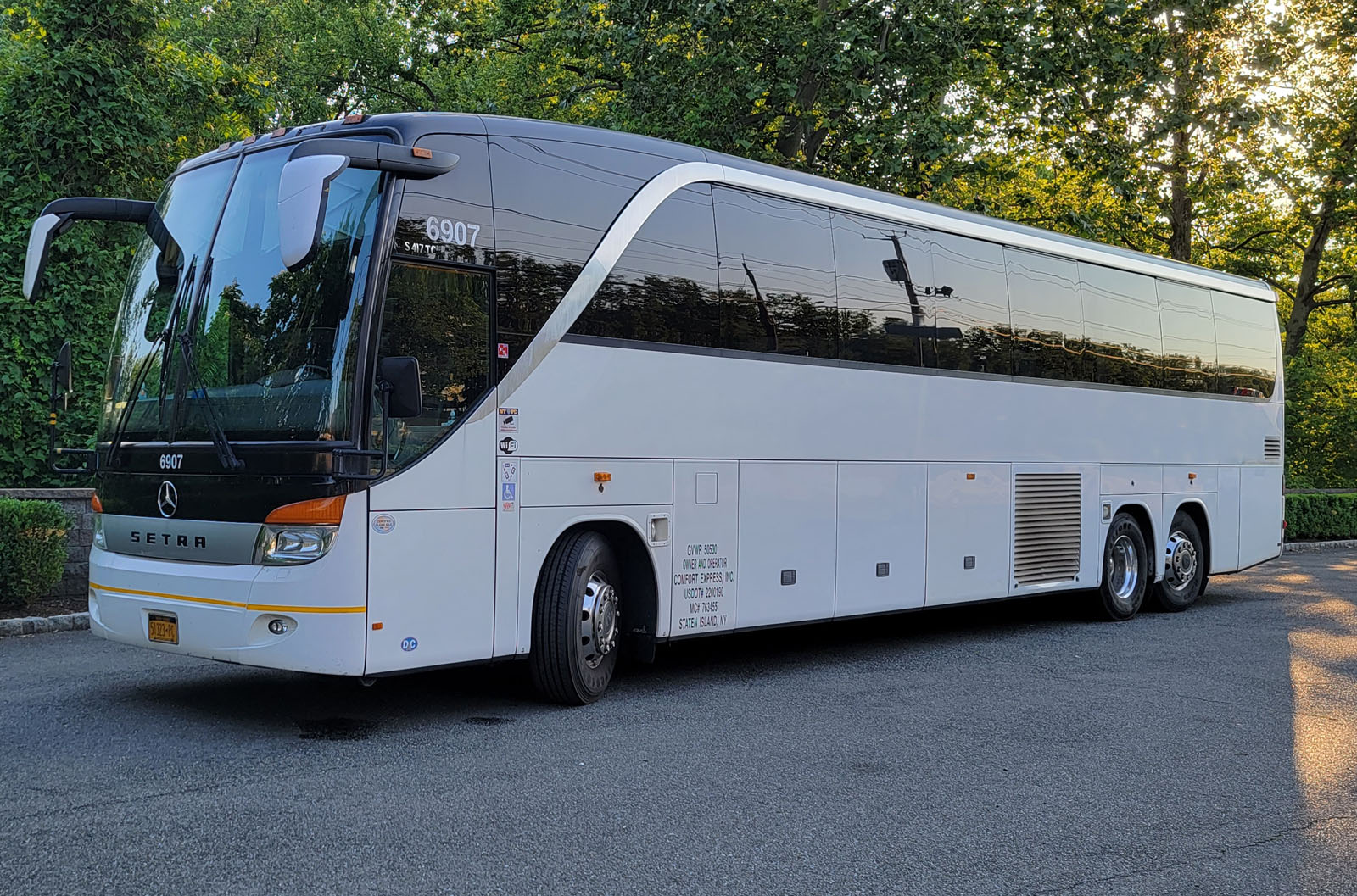
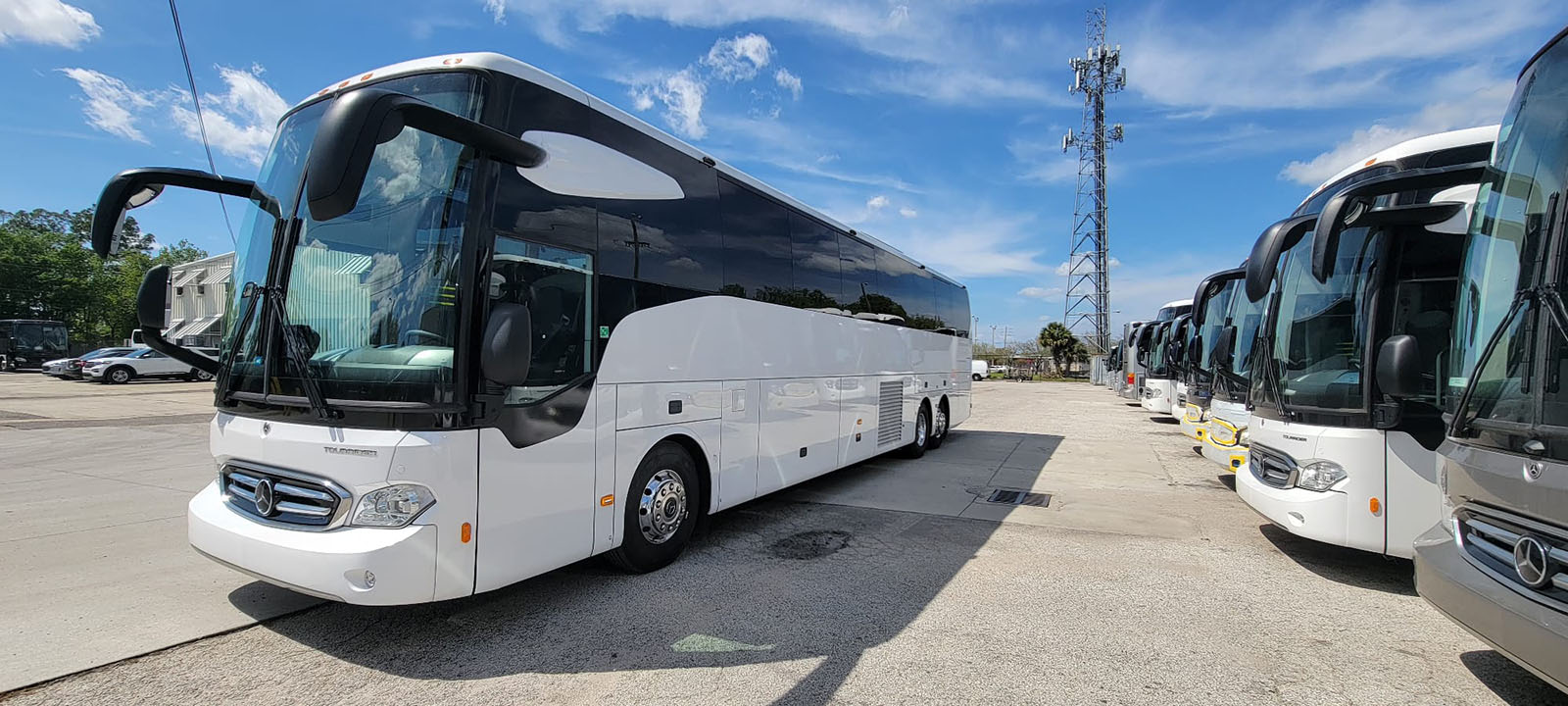
West Potomac Park offers an unparalleled setting for groups wishing to explore the nation's capital. Navigating the park's expansive grounds and visiting its iconic memorials is often best done with organized transport. For groups seeking comfort, convenience, and a seamless travel experience, arranging a private bus is an excellent option. This ensures everyone arrives together, on time, and without the hassle of coordinating multiple vehicles or public transport schedules.
Whether planning a school trip, a family reunion, or a corporate outing to experience the grandeur of Washington D.C., a dedicated shuttle or tour bus can significantly enhance your visit, allowing you to focus purely on the enriching experience of the park and its surrounding attractions. Choose a reliable service that understands the nuances of D.C. travel, making your journey as memorable as the destination itself.
Seasonal splendor and recreational pursuits
Beyond its monumental significance, West Potomac Park is a vibrant green space that changes dramatically with the seasons, offering diverse recreational activities throughout the year. Its role as a dynamic urban park makes it a beloved destination for both locals and tourists seeking both relaxation and active engagement.
Cherry blossom season's magic
Without question, the most celebrated period in West Potomac Park is during the annual National Cherry Blossom Festival. The thousands of cherry trees, gifted from Japan in 1912, burst into delicate pink and white blooms, transforming the park into a ephemeral wonderland. This spectacle draws millions of visitors globally, eager to witness the fleeting beauty and participate in the associated cultural festivities. The entire area around the Tidal Basin becomes a canvas of soft hues, creating an almost dreamlike atmosphere.
While the exact timing varies each year, typically in late March or early April, the cherry blossoms provide a breathtaking backdrop to the memorials, making for truly unforgettable photographs and serene moments of appreciation for nature's artistry. It is a period of immense vibrancy and joyous celebration within the park.
Year-round outdoor activities
Even outside of cherry blossom season, West Potomac Park remains an active hub for outdoor enthusiasts. The extensive network of paved paths is ideal for jogging, cycling, and leisurely strolls. Many local running clubs utilize the scenic routes around the Tidal Basin for their workouts, enjoying the flat terrain and inspiring views. Cyclists find the park's paths provide a safe and picturesque environment for rides, connecting easily to other parts of the National Mall and beyond.
Open grassy areas are perfect for picnics, frisbee, or simply relaxing under the shade of mature trees. The park’s proximity to the Potomac River also offers opportunities for watersports, with paddle boat rentals available on the Tidal Basin providing a fun, family-friendly activity and a unique vantage point of the monuments. Fishing is also permitted in designated areas along the riverfront, appealing to those seeking a quieter pastime.
What's most interesting to see
For visitors to West Potomac Park, the most compelling aspects lie in the seamless integration of monumental architecture with tranquil natural settings, offering experiences that range from deeply reflective to purely recreational. The sheer concentration of significant landmarks within such a beautifully curated green space is unparalleled.
The Thomas Jefferson Memorial
stands out for its classical grandeur and the profound quotes etched into its walls, providing a powerful sense of historical gravity. Its elegant dome, visible from across the Tidal Basin, is particularly striking at sunrise or sunset when bathed in golden light. Similarly, the Franklin Delano Roosevelt Memorial
offers a captivating narrative journey, encouraging visitors to spend time in each "room," absorbing the story of resilience and leadership through its detailed sculptures and reflective waterfalls.
The true magic of West Potomac Park emerges from the interplay of its serene landscapes with the powerful narratives embedded in its memorials, inviting every visitor to find both peace and profound inspiration.
The Martin Luther King, Jr. Memorial
provides a deeply moving experience, with the "Stone of Hope" serving as a potent symbol of overcoming adversity. Its carefully selected quotes resonate powerfully, making it a focal point for reflection on civil rights and justice. Beyond the individual memorials, the overall spectacle of the Tidal Basin
itself, particularly during the cherry blossom season
, is an absolute must-see. The vibrant pink and white canopy against the backdrop of the monuments creates an iconic D.C. scene that is world-renowned.
For those seeking activity, a paddle boat ride on the Tidal Basin
offers a wonderfully unique perspective of the memorials, allowing for intimate views that aren't possible from land. Early morning visits are particularly rewarding, offering quieter moments and often stunning reflections on the water, free from the larger crowds. The expansive vistas across the Potomac River towards Arlington, combined with the continuous interplay of light and shadow on the memorials, ensure that every visit reveals something new and captivating.
How to get there from the city center
Reaching West Potomac Park from Washington D.C.'s city center is quite straightforward, given its central location adjacent to the National Mall. Numerous transportation options cater to different preferences and budgets, ensuring easy access for all visitors.
By metro
The Metrorail system is an efficient way to reach the park. Several stations are within a reasonable walking distance. The Smithsonian Metro Station
(Orange, Blue, and Silver Lines) is one of the most popular choices, located directly on the National Mall. From there, a pleasant walk west across the Mall will lead you directly into West Potomac Park, with the Washington Monument serving as a helpful landmark. The walk to the Tidal Basin area from Smithsonian is approximately 15-20 minutes. Another option is the Federal Triangle Metro Station
(Orange, Blue, and Silver Lines), which is slightly further north but also offers direct access to the National Mall.
By bus
D.C.'s Metrobus system offers several routes that service the National Mall area. Specific routes like the 32, 34, and 36, or the Circulator Bus (National Mall route), can drop you off at various points along the Mall, from which West Potomac Park is easily accessible by foot. Check the WMATA website or a real-time transit app for the most current routes and schedules, as stops can vary.
On foot or by bike
Given the park's proximity to the city center and other major attractions, walking is an excellent way to experience D.C. and reach West Potomac Park. It’s an easy, scenic stroll from many downtown hotels and from areas like Penn Quarter or Foggy Bottom. The paths are well-maintained and offer constant views of the cityscape. For cyclists, D.C. is a bike-friendly city with many designated lanes and bike-share programs like Capital Bikeshare, providing convenient docking stations throughout the city and near the park.
By taxi or rideshare
Taxis and rideshare services (Uber, Lyft) are readily available throughout downtown D.C. and can drop you directly at points bordering West Potomac Park, such as near the Jefferson Memorial or along Ohio Drive SW. This offers the most direct and convenient option, especially for those with limited mobility or carrying bags.
Read Also



OUR FLEET
Our Buses
Explore our modern, comfortable and well-maintained charter bus fleet.