Theodore Roosevelt Island in Washington
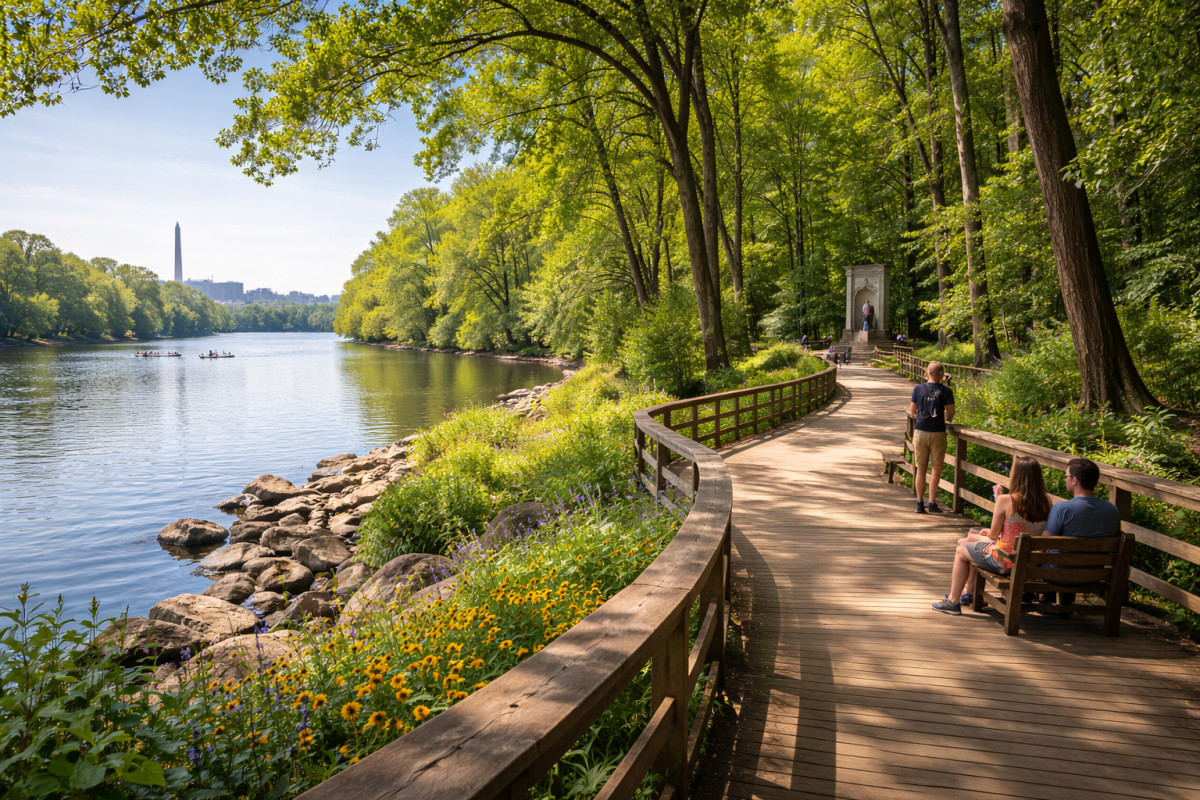
Theodore Roosevelt Island a wild sanctuary
A natural escape from urban bustle
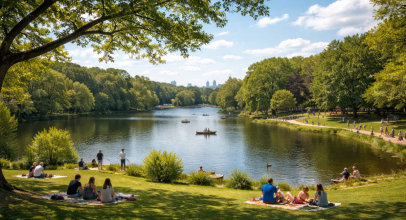
Just moments from the monumental core of Washington, D.C., Theodore Roosevelt Island stands as a verdant, living monument, a profound antithesis to the urban symphony of the capital. This 88.5-acre wilderness preserve, nestled in the Potomac River, offers an immersive experience where the city's pulse fades into the rustle of leaves and the distant calls of waterfowl. It’s not merely a park but a meticulously designed landscape intended to evoke the untamed spirit of the 26th U.S. President, a champion of conservation whose vision transformed the American approach to natural resources. Visitors are immediately enveloped by a sense of wildness, a carefully cultivated illusion of a primal forest, untouched by human development, yet easily accessible. The island’s unique position provides panoramic views of the Georgetown waterfront and the Kennedy Center, creating a striking juxtaposition between the wild and the refined. The island serves as a vital green lung for the city, inviting contemplation and reconnection with the natural world, a stark contrast to the surrounding concrete and steel.
The island's unique ecosystem
Theodore Roosevelt Island is a tapestry of diverse ecosystems, each playing a crucial role in its ecological integrity. Boardwalks traverse dense swampy areas, where the water's surface reflects the overarching canopy of towering cypress and sycamore trees, creating an ethereal, almost primeval atmosphere. These wetlands are vital habitats for myriad amphibians, reptiles, and aquatic insects, forming the base of a complex food web. Moving inland, the landscape gradually shifts to upland forest, characterized by oak, hickory, and maple, providing shade and shelter for a variety of woodland creatures. The transition zones between these environments offer a rich biodiversity, making every turn of the trail a potential discovery. The diligent efforts of the National Park Service ensure this delicate balance is maintained, preserving the island as a living laboratory and a testament to Roosevelt’s enduring call for environmental stewardship. Birdsong is a constant companion, a vibrant soundtrack to the rustling leaves underfoot. The air itself feels cleaner, infused with the scent of damp earth and verdant growth, offering a sensory escape that invigorates the spirit.
The spirit of conservation embodied
The central memorial plaza
At the heart of Theodore Roosevelt Island lies a grand memorial plaza, a solemn and inspiring space dedicated to the President's legacy. This circular area serves as the island's focal point, geometrically precise and starkly contrasting with the wildness surrounding it. Here, the landscape transitions from untamed nature to a more formal, contemplative design, inviting visitors to pause and reflect. The plaza features four towering stone tablets, each inscribed with profound quotes from Theodore Roosevelt’s writings, encapsulating his philosophy on nature, citizenship, youth, and the strenuous life. These carefully selected words resonate with timeless relevance, reminding us of the enduring power of his convictions. The design, by Eric Gugler and architect John Harbeson, beautifully integrates the natural setting with monumental sculpture, creating an experience that is both grand and intimately personal. The subtle sounds of the river and the rustling leaves serve as a backdrop to the weighty words carved in stone, creating an atmosphere of deep reverence. The openness of the plaza also offers glimpses of the Washington Monument and other landmarks, subtly connecting Roosevelt's conservation work to the broader national narrative.
The towering Roosevelt statue
Dominating the memorial plaza is a magnificent bronze statue of Theodore Roosevelt, depicted standing, gazing thoughtfully, with a posture that conveys both strength and a deep connection to the outdoors. Created by sculptor Paul Manship, the statue captures the vigorous spirit and determined character for which Roosevelt was renowned. His attire, a long coat and broad-brimmed hat, evokes the image of a naturalist and explorer, perpetually ready to engage with the wild. The scale of the statue is impressive, commanding attention and underscoring the monumental impact of his presidency on environmental protection. As visitors stand before this formidable figure, they are encouraged to consider the vision of a leader who saw the preservation of America’s natural beauty as a fundamental duty. The choice of bronze ensures its timeless presence, weathering the elements much like Roosevelt himself weathered political storms to champion his ideals. The statue is more than just a likeness; it is an embodiment of the powerful ideas that shaped a nation's relationship with its land.
"There is a delight in the hardy life of the open. There is a charm in the vast, unbroken, boundless wilderness."
Inscriptions that inspire
The four granite tablets surrounding the central statue are perhaps the most compelling elements of the memorial plaza. Each tablet bears a distinct theme and a series of carefully selected quotes from Theodore Roosevelt’s speeches and writings. These inscriptions are not merely historical footnotes; they are powerful affirmations of his core beliefs and values. One tablet might speak to his fervent belief in the "strenuous life," urging individuals to embrace challenges and contribute actively to society. Another could focus on his passionate advocacy for nature, emphasizing the moral imperative to protect landscapes and wildlife for future generations. A third might delve into his ideas on citizenship, highlighting the responsibilities and duties that come with freedom. The fourth could explore themes of youth and national vigor, reflecting his optimism for America’s future. Reading these words offers a profound insight into the mind of a president who was as much a philosopher and an adventurer as he was a statesman. They are a call to action, an invitation to reflect on one's own role in stewardship, and a testament to the enduring relevance of his vision. The sheer weight of the words carved into the stone reinforces their significance, urging contemplation.
Pathways through diverse landscapes
The swamp trail's hidden gems
The Swamp Trail on Theodore Roosevelt Island offers a uniquely immersive experience, guiding visitors through a wetland ecosystem teeming with life. Elevated boardwalks provide easy access, protecting the fragile environment while allowing close-up views of the swamp's intricate beauty. Here, the air is often cooler and more humid, filled with the croaking of frogs and the buzzing of insects. Tall bald cypress trees with their distinctive knees rise from the murky waters, their roots forming tangled networks that stabilize the soil. Sycamores and river birches also thrive in this damp environment, their peeling bark adding texture to the verdant canopy. This trail is a prime location for spotting wading birds such as herons and egrets, patiently hunting in the shallows. The reflections on the water's surface can be mesmerizing, mirroring the sky and trees in a distorted, artistic fashion. It's a place where the sounds of the city entirely vanish, replaced by the symphony of nature, offering a profound sense of tranquility and an opportunity to witness a vibrant, self-sustaining ecosystem at work. Every step along the boardwalk is a journey deeper into a hidden world.
The upland trail's serene vistas
In contrast to the swampy lowlands, the Upland Trail ascends into a mature deciduous forest, offering a different perspective of the island's ecological diversity. This trail is characterized by towering oaks, hickories, and maples that create a dense canopy, dappling the forest floor with shifting patterns of light and shadow. The ground is often carpeted with fallen leaves and the occasional glimpse of woodland wildflowers in spring. The air here is drier and often cooler than in the swamp, with the scent of rich earth and decaying leaves. The Upland Trail provides a more traditional hiking experience, with gentle inclines and descents that wind through peaceful groves. It’s an ideal spot for birdwatching, as numerous species of songbirds nest and forage among the branches. From certain vantage points along the Upland Trail, visitors can catch glimpses of the Potomac River shimmering through the trees, or even the distant skyline of Washington, D.C., a reminder of the island’s unique position as an urban wilderness. The serenity of this path encourages quiet contemplation, a perfect environment for clearing the mind and absorbing the restorative power of nature.
The boardwalk's tranquil journey
Connecting various parts of the island, the boardwalk system on Theodore Roosevelt Island provides an accessible and tranquil journey through its diverse habitats. These raised wooden pathways allow visitors to traverse delicate ecosystems, particularly the marshy and swampy areas, without disturbing the environment. The boardwalks offer unobstructed views of the water, wetland plants, and the rich wildlife that calls these areas home. They lead to scenic overlooks and quiet spots perfect for birdwatching or simply enjoying the peaceful ambiance. The gentle creak of the wood underfoot and the rhythmic sounds of nature create a meditative rhythm for exploration. Along these paths, one might observe turtles basking on logs, dragonflies darting over the water, or even a muskrat swimming quietly through the reeds. The design of the boardwalks emphasizes harmony with nature, ensuring that the visitor experience is one of immersion rather than intrusion. This interconnected network allows for a comprehensive exploration of the island's natural beauty, making it accessible to a wide range of visitors. The boardwalk journey is a testament to mindful design, allowing close encounters with nature while ensuring its preservation.
Birdwatching and wildlife observation
A haven for migratory birds
Theodore Roosevelt Island is a significant stopover and nesting ground for an impressive array of migratory and resident bird species, making it a premier destination for birdwatchers in the Washington D.C. area. Its unique combination of dense forests, open wetlands, and riverine habitats provides diverse foraging and nesting opportunities. Throughout the year, visitors might spot everything from colorful warblers and vireos during spring and fall migrations to various waterfowl like mallards and wood ducks in the swampy areas. Osprey can often be seen fishing in the Potomac River surrounding the island, and the occasional bald eagle makes an appearance, soaring majestically overhead. The dense canopy of the upland forest provides shelter for owls and woodpeckers, while the reeds and rushes of the wetlands conceal elusive marsh birds. Binoculars are highly recommended to fully appreciate the vibrant plumage and intricate behaviors of these avian inhabitants. The island’s strategic location along the Atlantic Flyway ensures a constant flux of feathered visitors, making every visit a potentially unique birdwatching experience. The dawn chorus on the island is a truly unforgettable symphony.
Spotting local fauna
Beyond its abundant birdlife, Theodore Roosevelt Island is home to a variety of other fascinating wildlife, offering rewarding opportunities for observation. Deer are a common sight, often seen grazing peacefully in the quieter parts of the island, their presence a testament to the sanctuary's unspoiled nature. Squirrels and chipmunks are ubiquitous, darting among the trees and along the trails. Keep an eye out for raccoons and foxes, particularly during dawn and dusk, though they are more elusive. The wetland areas are particularly rich in animal life, harboring various turtle species sunning themselves on logs, and several types of frogs and salamanders. Snakes, mostly non-venomous, can also be observed, contributing to the island's healthy ecosystem. The Potomac River itself is home to fish that attract larger predators. Observing these creatures in their natural habitat underscores the island’s role as a vital ecological preserve within an urban landscape. Patience and a quiet demeanor are often rewarded with glimpses of these native inhabitants going about their daily lives, further enhancing the sense of immersion in a truly wild space.
A quiet place for reflection
Finding solitude amidst nature
The very essence of Theodore Roosevelt Island is its profound ability to offer solitude and a respite from the ceaseless pace of urban life. Despite its proximity to one of the nation's busiest metropolitan areas, stepping onto the island feels like entering another world-one where tranquility reigns supreme. The dense tree cover, the meandering trails, and the gentle sounds of the river combine to create an atmosphere conducive to quiet contemplation. Visitors can easily find secluded benches or less-traveled paths where they can sit undisturbed, absorbing the natural beauty and letting their thoughts wander. It's a place where the mental clutter of daily life begins to dissipate, replaced by a sense of calm and clarity. The absence of commercial establishments or intrusive noises further enhances this feeling of escape, allowing nature to be the sole provider of sensory input. This unique capacity for solitude makes the island an invaluable resource for mental well-being, a place where one can truly disconnect to reconnect with oneself and the natural world, fostering a deeper sense of peace.
"To waste, to destroy, our natural resources, to skin and exhaust the land instead of using it so as to increase its usefulness, will result in undermining in the days of our children the very prosperity which we ought by right to hand down to them amplified and developed."
The enduring legacy of Theodore Roosevelt
The island serves as a living, breathing testament to Theodore Roosevelt’s enduring legacy as a fervent conservationist and an advocate for the "strenuous life." His principles, etched into the memorial stones and embodied by the wildness of the island itself, continue to resonate strongly in contemporary discussions about environmental stewardship and the importance of outdoor recreation. Roosevelt's vision of preserving wild spaces for public enjoyment and ecological health finds its perfect manifestation here, allowing visitors to physically experience the ideals he championed. The island encourages reflection not just on the beauty of nature, but on the responsibility we all share in protecting it, a message that feels more urgent than ever. It underscores his belief that a nation’s strength is intrinsically linked to its natural resources and the character of its people. Walking the trails, observing the wildlife, and reading his powerful quotes all contribute to a profound understanding of how one individual's passion can shape an entire nation’s destiny and continue to inspire generations. The island is not just a memorial; it is an active continuation of his work.
Planning your visit
Accessibility and opening hours
Theodore Roosevelt Island is generally accessible from dawn until dusk, offering ample time for exploration throughout the day. The memorial plaza and the main trails are well-maintained, with some boardwalk sections enhancing accessibility, though parts of the natural trails can be uneven. It's advisable to check the National Park Service website for the most current information regarding specific hours, any temporary closures, or special event schedules. Restrooms are available near the footbridge entrance. While dogs are permitted on the island, they must be kept on a leash at all times to protect the wildlife and ensure a pleasant experience for all visitors. The island is designed for pedestrian exploration, emphasizing a direct connection with nature. There are no vending machines or shops on the island, so visitors should plan to bring their own water and any other essentials. The quiet hours of early morning or late afternoon often provide the most serene experience, with fewer crowds and increased opportunities for wildlife viewing. Planning ahead ensures a smooth and enjoyable visit to this urban sanctuary.
Essential visitor information
- Wear comfortable walking shoes suitable for natural trails and boardwalks
- Bring plenty of water, especially during warmer months, as no concessions are available on the island
- Sunscreen and insect repellent are recommended, particularly when exploring the swampy areas
- Leashed pets are welcome but owners must clean up after them
- Respect wildlife by maintaining a safe distance and not feeding animals
- Photography is encouraged, capturing the natural beauty and memorial elements
- Pack out everything you pack in to help maintain the island's pristine condition
- Check weather forecasts beforehand, as outdoor activities are best enjoyed in favorable conditions
- Consider a visit during spring for vibrant foliage and migratory birds, or fall for stunning autumn colors
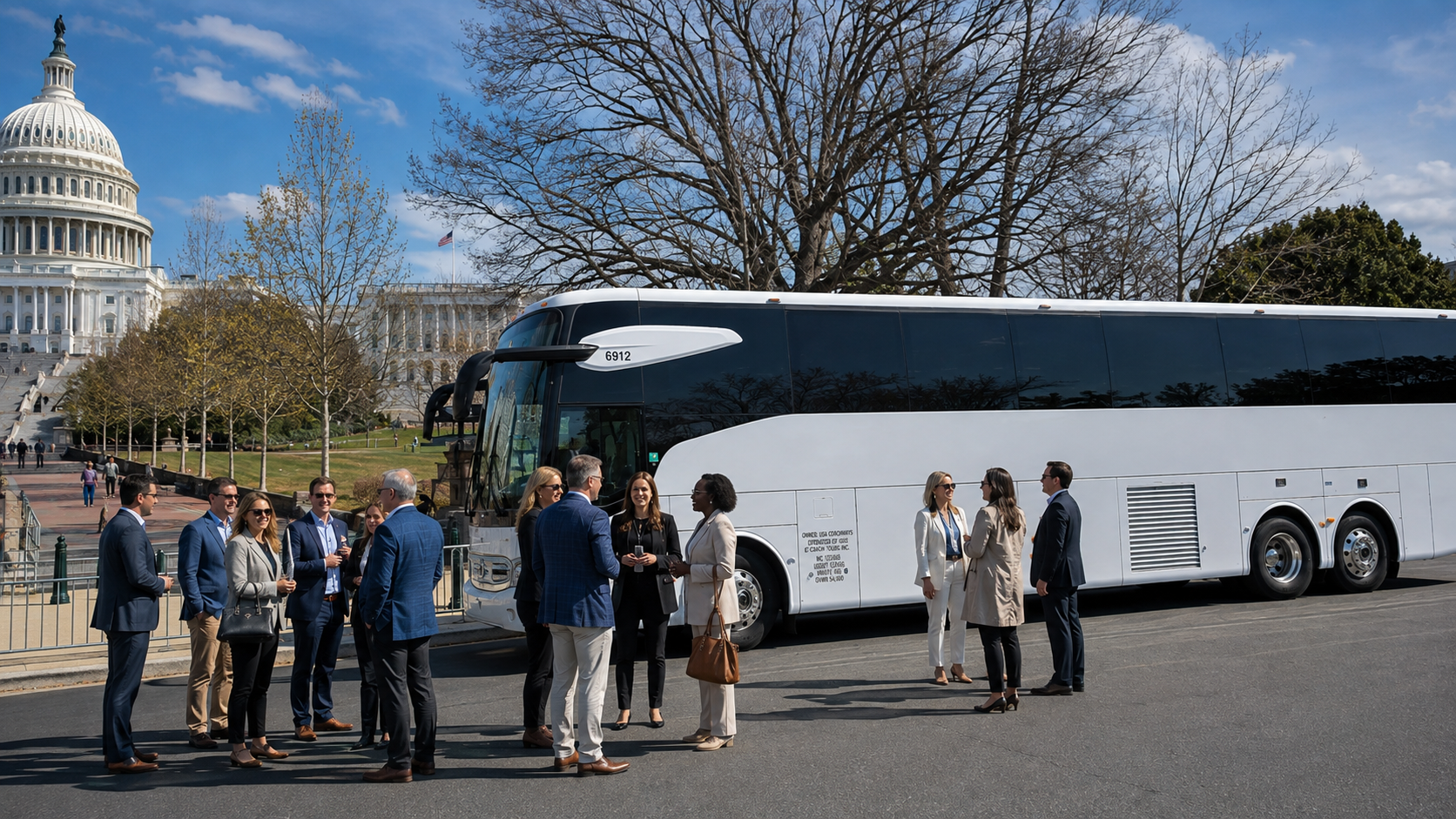
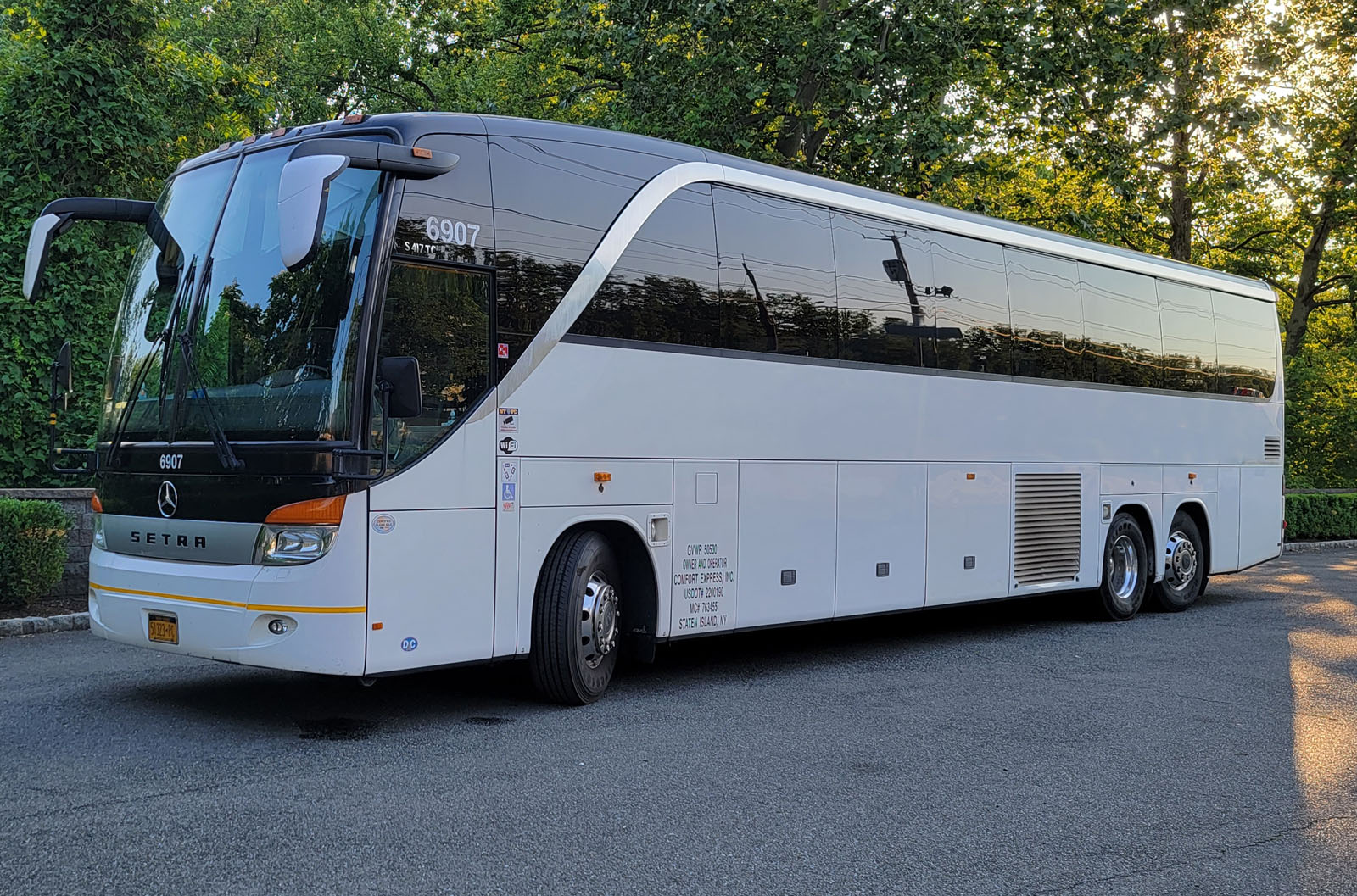
For those planning a group excursion to this remarkable national memorial and natural preserve, especially for educational trips, corporate retreats focused on environmental themes, or large family gatherings, considering comfortable and efficient transportation is paramount. Navigating Washington D.C. traffic and parking can be challenging for multiple vehicles. A streamlined solution is to arrange a private charter bus. This allows everyone to travel together, arrive refreshed, and focus on the experience rather than logistics. You can secure a comfortable and reliable vehicle for your entire group, ensuring a smooth and enjoyable journey to and from Theodore Roosevelt Island.
Arrange your group's transportation easily and effectively. For dependable and comfortable bus rental services, visit Bus Rental.
Navigating to the island from downtown Washington DC
Driving directions and parking
Theodore Roosevelt Island is easily accessible by car, though parking requires a short walk across the pedestrian bridge. From downtown Washington D.C., you will typically head west towards Rosslyn, Virginia. The key is to access the northbound lanes of the George Washington Memorial Parkway. The parking area for Theodore Roosevelt Island is located just off the northbound lanes of the Parkway, immediately after crossing the Theodore Roosevelt Bridge from D.C. Follow signs carefully, as the entrance can be a quick turn-off. Once parked in the designated lot, visitors can walk to the island via a footbridge that spans a narrow channel of the Potomac River. This bridge offers scenic views and marks the official entrance to the national memorial. While parking is usually available, it can fill up quickly during peak seasons or on weekends, so arriving early is advisable. The convenience of driving allows for flexibility in your visit, but be mindful of D.C. and Virginia traffic patterns, especially during rush hour. GPS navigation systems generally provide accurate routing to the Theodore Roosevelt Island parking lot.
Public transportation options
Accessing Theodore Roosevelt Island via public transportation offers an eco-friendly and often less stressful alternative to driving. The island is conveniently located near the Rosslyn Metro Station, which serves the Blue, Orange, and Silver lines. From downtown D.C., you can take any of these lines directly to Rosslyn. Once at Rosslyn Metro, exit towards the street level and follow signs for Theodore Roosevelt Island. The walk from the Metro station to the island's footbridge is approximately 10-15 minutes, a pleasant stroll through a developed urban area before transitioning into the natural environment. This walk crosses over the George Washington Memorial Parkway, leading directly to the pedestrian entrance. Bus routes also serve the Rosslyn area, providing additional options depending on your starting point in D.C. Utilizing public transport allows you to avoid parking hassles and contribute to sustainable tourism. It also provides an opportunity to experience the vibrancy of Rosslyn, a bustling urban hub, before retreating into the island’s tranquility.
Pedestrian and cycling access
Theodore Roosevelt Island is an excellent destination for pedestrians and cyclists, seamlessly integrating into the region's extensive network of trails and sidewalks. For those coming from downtown Washington D.C., walking or cycling offers a direct and scenic route. The island is connected to the Mount Vernon Trail, a popular multi-use path that runs along the Potomac River. Cyclists can easily ride to the island via this trail, which can be accessed from various points in D.C., including near the Tidal Basin or across the Key Bridge from Georgetown. Pedestrians can also walk across the Key Bridge from Georgetown to Rosslyn, and then proceed south along the George Washington Memorial Parkway trail to the island's entrance. The walk or ride itself becomes part of the experience, offering beautiful views of the river, the D.C. skyline, and the varied architecture of Georgetown and Rosslyn. The flat terrain leading to the island makes it accessible for most fitness levels. Bike racks are available near the footbridge entrance for securing bicycles while you explore the island on foot. This mode of access perfectly aligns with the island's spirit of outdoor activity and appreciation for nature.
Read Also
OUR FLEET
Our Buses
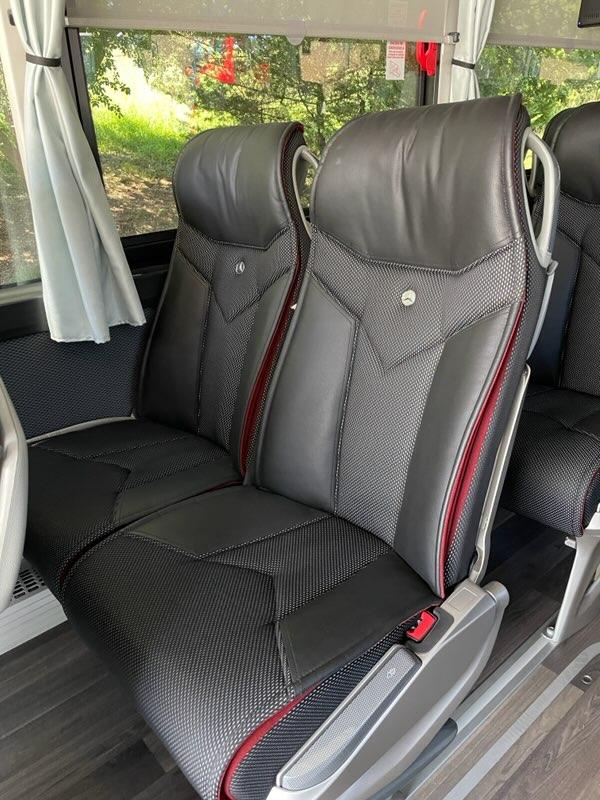
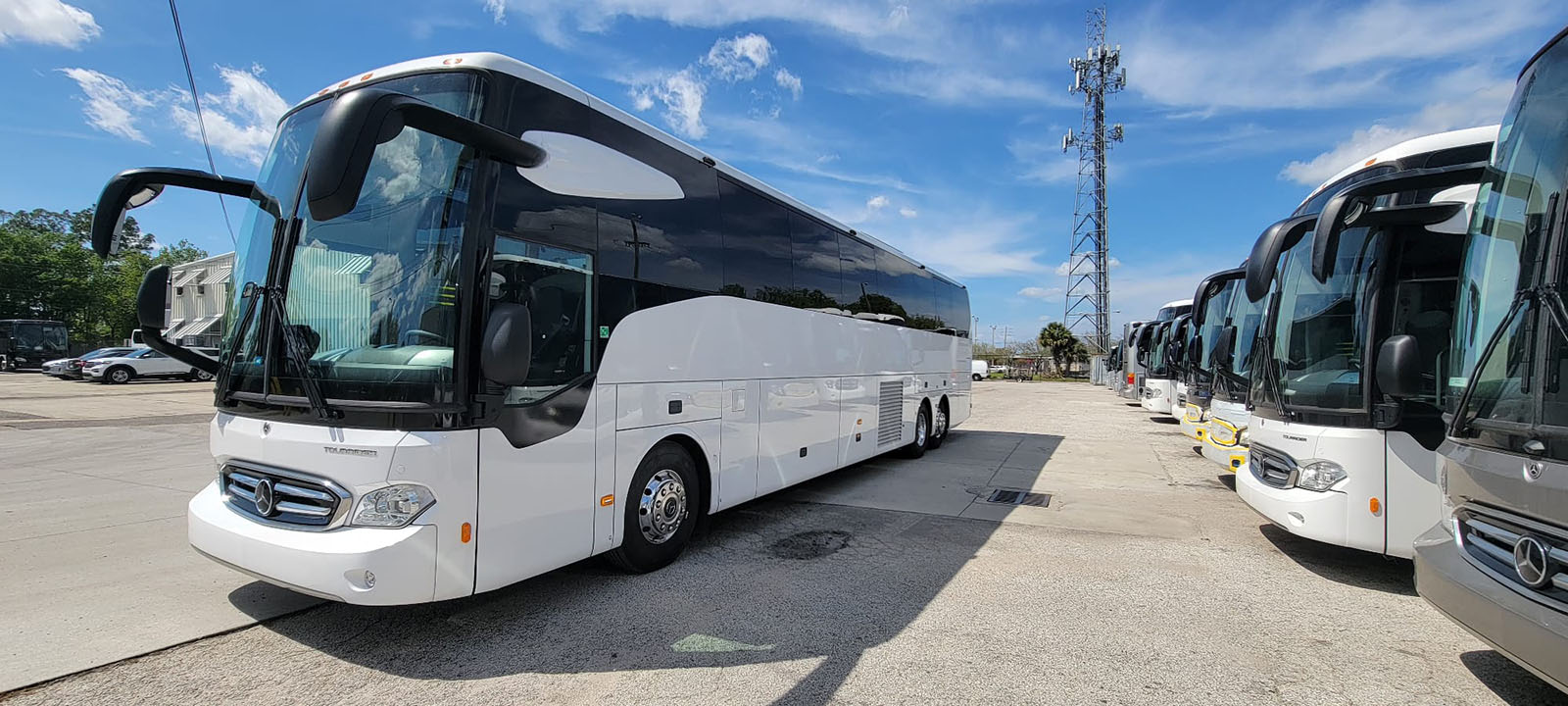
Explore our modern, comfortable and well-maintained charter bus fleet.