Queens Museum New York
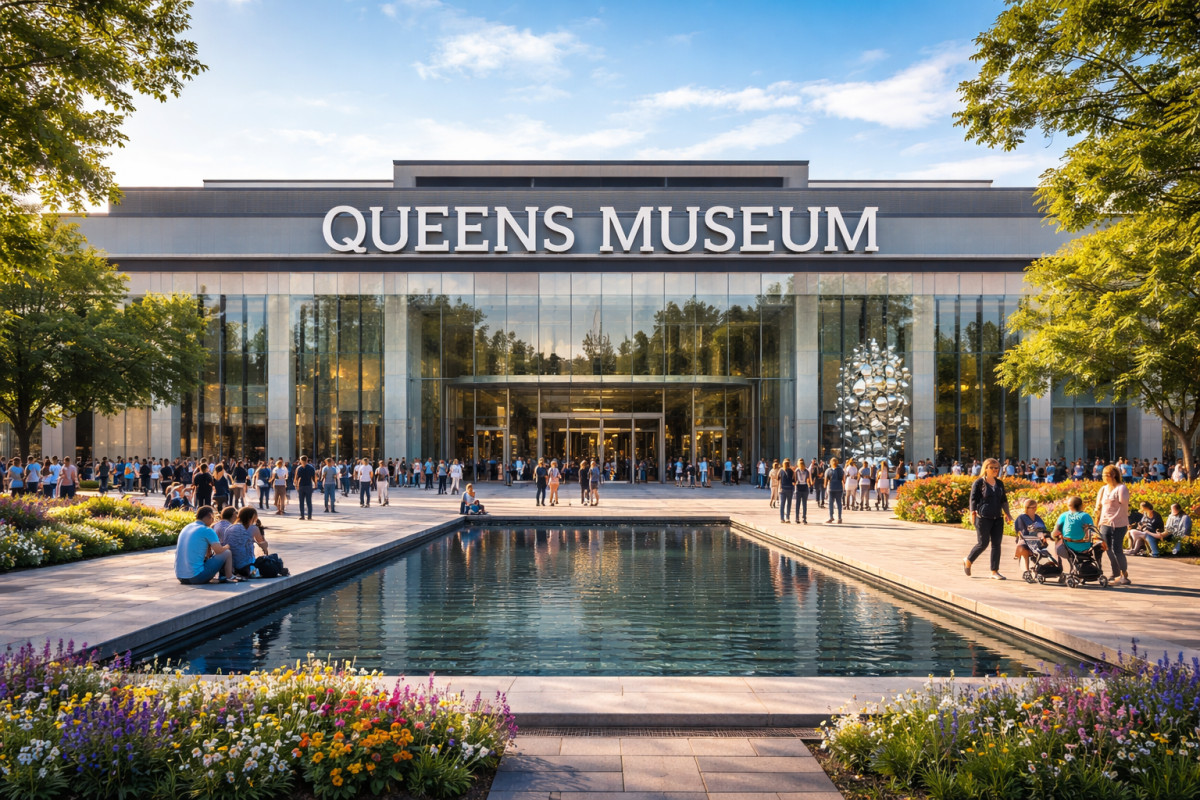
The panorama of the city of New York
The Queens Museum stands as a singular cultural beacon within the sprawling metropolis, offering an experience distinctly different from its Manhattan counterparts. At the heart of its allure, captivating visitors with its sheer scale and intricate detail, is the Panorama of the City of New York. This breathtaking, architecturally accurate scale model of all five boroughs is not merely a static exhibit; it’s a living, breathing testament to urban ambition and meticulous craftsmanship. Commissioned for the 1964 New York World's Fair, it encompasses every building constructed before 1992, meticulously updated with new additions and changes.
Exploring the Panorama is an immersive journey. Visitors can trace the routes of their commutes, spot iconic landmarks, and discover hidden gems from a bird's-eye perspective. The exhibit features simulated day-to-night lighting cycles, adding another layer of realism and drama, transforming the urban landscape with shifting light. It allows for a profound understanding of New York City's geography and the interconnectedness of its diverse neighborhoods, offering a perspective impossible to achieve from street level or even from a skyscraper observation deck.
The sheer dedication required to maintain and update this colossal artwork is astounding. Every new high-rise, every significant infrastructure project, finds its miniature counterpart, ensuring its continued relevance as a historical record and a dynamic representation. It's a snapshot of the city's ceaseless evolution, frozen in time yet constantly evolving.
Beyond the cityscape
While the Panorama might be the most famous draw, the Queens Museum curates a rich tapestry of other exhibitions that resonate deeply with its location and mission. Its commitment to the local community is evident in its diverse programming, often highlighting the art and cultural contributions of Queens’ incredibly varied population.
One notable collection features artifacts from the two World’s Fairs held in Flushing Meadows Corona Park, providing context to the park’s enduring legacy and the museum’s own origins. This historical thread connects visitors to moments of global innovation and celebration that took place on the very ground where they stand.
The museum also boasts a significant collection of Tiffany glass and other items from the famous Tiffany Studios, which once had a major presence in Queens. These exquisite pieces showcase the intricate artistry and technological advancements of a bygone era, reflecting a period of profound artistic innovation.
"The Queens Museum offers a unique lens through which to understand New York City, not just as a collection of buildings, but as a living, evolving organism seen from an omniscient perspective."
Beyond permanent displays, the museum consistently hosts contemporary art exhibitions that challenge perspectives, engage with social issues, and provide platforms for emerging and established artists. These temporary showcases ensure a dynamic visitor experience, encouraging repeat visits and fostering ongoing dialogue within the community. The focus often leans towards art that explores urbanism, migration, identity, and the environment, mirroring the complex narratives of Queens itself.
The museum’s setting within Flushing Meadows Corona Park, a magnificent urban green space, further enhances the visitor experience. After immersing oneself in the museum’s offerings, the park provides an opportunity for relaxation, reflection, and exploration, with its iconic Unisphere and recreational facilities. It's an ideal destination for a full day out, combining cultural enrichment with outdoor leisure.
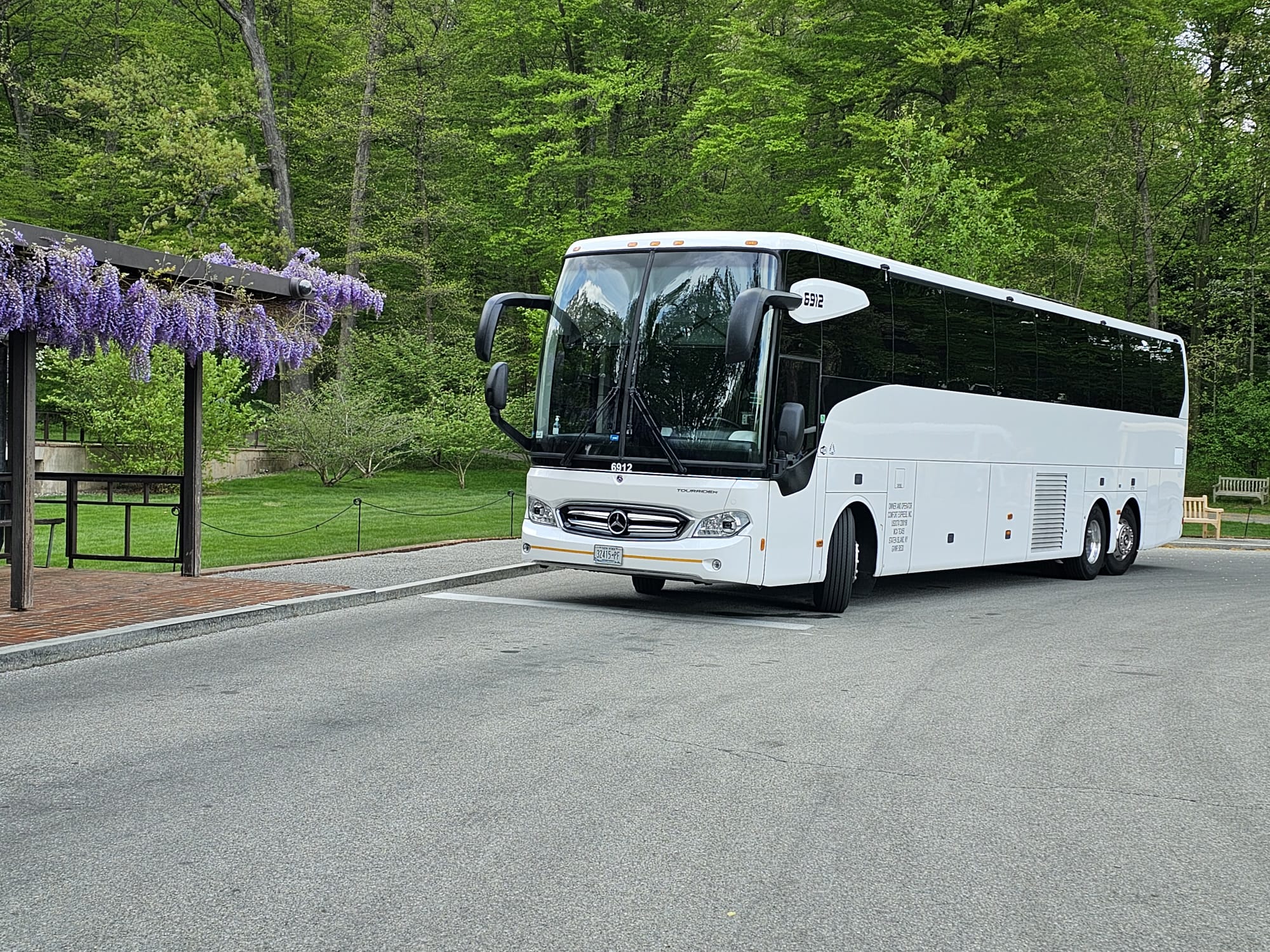
Are you planning a group trip to the Queens Museum or another exciting destination in New York? Simplify your travel logistics and enhance your experience by booking a comfortable and reliable charter bus. For seamless transportation tailored to your group's needs, visit Bus Rental to arrange your journey.
Typical bus rental prices:
| Bus Type | Per Hour | Per Day |
|---|---|---|
| 56-Passenger | $165 – $200 | $1,450 – $1,950 |
| Luxury Van | $100 – $125 min 6 hours | $1,100 – $1,250 10 hours |
Approximate prices for visiting
The Queens Museum operates on a "suggested admission" model, meaning visitors are encouraged to pay what they can, but no one is turned away for inability to pay. This commitment to accessibility underscores its role as a community institution. The suggested contributions help support the museum's exhibitions, educational programs, and ongoing operations.
| Category | Suggested Admission |
|---|---|
| Adults | $10.00 |
| Seniors (65+) | $5.00 |
| Students (with valid ID) | $5.00 |
| Children (12 and under) | Free |
| Queens Museum Members | Free |
| Residents of Queens | Free |
It is always advisable to check the museum's official website for the most current information regarding admission policies, special exhibition fees, and any changes in operating hours before planning your visit. The museum also frequently offers free admission days or events, particularly for local community members.
Popular Bus Types




How to get there from the city center
Reaching the Queens Museum from the heart of Manhattan is straightforward, offering several convenient public transportation options that also provide glimpses of the city's diverse neighborhoods. The museum is located within Flushing Meadows Corona Park, a well-known landmark.
By subway
The most efficient and popular way to get to the Queens Museum is by taking the subway.
- Take the 7 train (purple line) from any major station in Manhattan (such as Times Square-42nd Street, Grand Central-42nd Street, or 5th Avenue-Bryant Park) toward Flushing-Main Street.
- Alight at the 111th Street station in Queens.
- From the 111th Street station, the museum is approximately a 10-15 minute walk south through Flushing Meadows Corona Park. You will pass iconic structures like the Unisphere on your way. Follow signs for the museum or the Unisphere.
By bus
While the subway is generally faster, several bus routes also serve the area around Flushing Meadows Corona Park.
- From various points in Queens, buses like the Q48 or Q23 can bring you close to the park.
- From Manhattan, a combination of subway and bus might be possible, though the 7 train remains the most direct route.
By car
Driving to the Queens Museum from Manhattan is also an option, though traffic and parking should be considered.
- Take the Queensboro Bridge (59th Street Bridge) or the Midtown Tunnel to Queens.
- Follow signs for the Grand Central Parkway East.
- Take Exit 9E (Northern Blvd East) or Exit 9P (Whitestone Expressway South) for Flushing Meadows Corona Park.
- Parking is usually available in designated lots within Flushing Meadows Corona Park, often near the Unisphere or the Queens Zoo. Be aware that parking fees may apply.
"The journey to the Queens Museum is an essential part of the experience, traversing diverse neighborhoods and culminating in a sanctuary of art that reflects the city's vastness."
Planning your route in advance using a navigation app is always recommended to account for any service changes or traffic conditions. The museum’s location within a major park makes it a pleasant destination, combining cultural immersion with the beauty of an urban oasis. Its accessibility by public transport makes it an easy and rewarding day trip for anyone exploring New York City.
The Queens Museum stands not only as a repository of art and history but as an active participant in the contemporary cultural landscape of New York. Its unique focus on the city itself, through the unparalleled Panorama, and its dedication to the diverse communities of Queens, make it an indispensable institution. It offers a perspective on urban life and artistic expression that is both intimate and expansive, inviting visitors to see the familiar in an entirely new light. It provides a platform for voices often unheard in larger, more traditional institutions, reinforcing its role as a vital hub for innovation, community engagement, and artistic discovery.
Photo Gallery




Frequently Asked Questions
What is the Queens Museum?
Does the museum have a gift shop or cafe?
Is the Queens Museum accessible for visitors with disabilities?
How do I get to the Queens Museum by public transport?
What other types of exhibits can I expect to see?
What is the most famous exhibit at the Queens Museum?
Is there an admission fee for the Queens Museum?
What are the museum's operating hours?
Where is the Queens Museum located?
Can I host events or private functions at the Queens Museum?
Read Also

OUR FLEET
Our Buses
Explore our modern, comfortable and well-maintained charter bus fleet.