Museum of Chinese in America New York
Exploring moca's core narratives
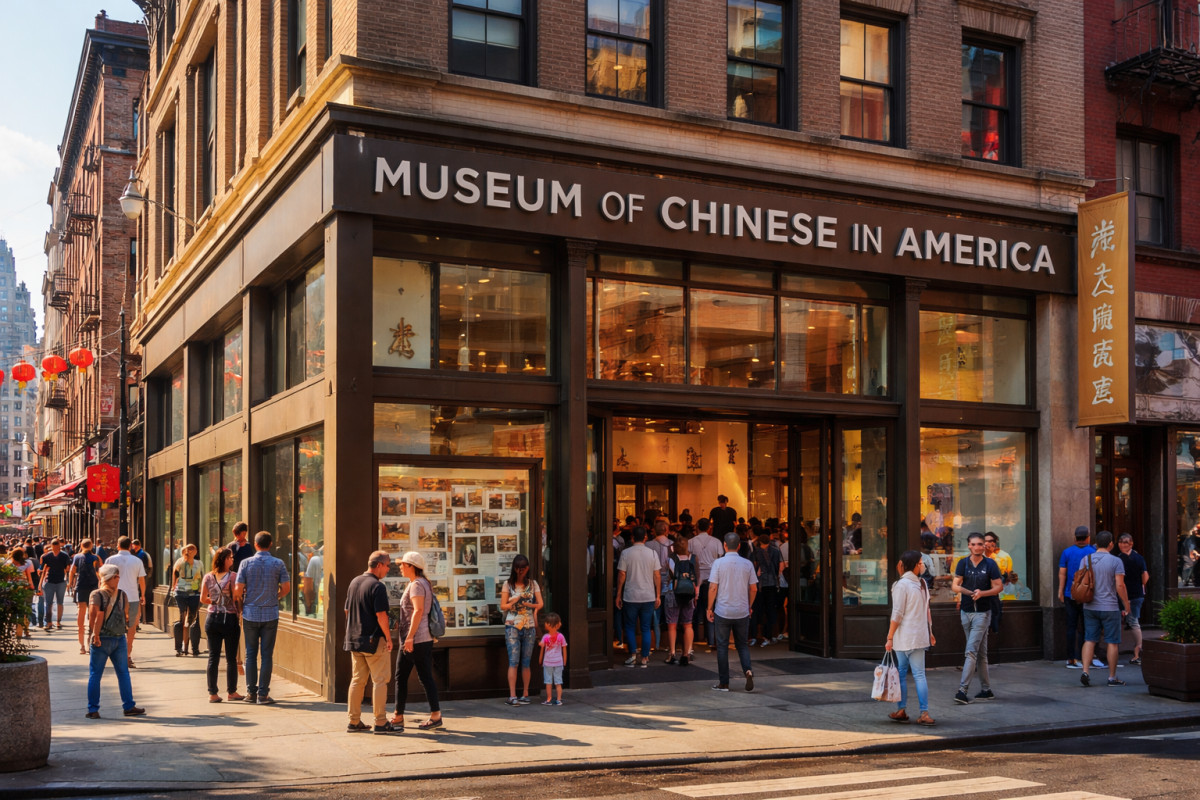
The Museum of Chinese in America, affectionately known as MOCA, stands as a profound cultural anchor in New York City, dedicated to preserving and presenting the rich living history of Chinese Americans. It is not merely a repository of artifacts but a dynamic space that encapsulates centuries of journeys, struggles, triumphs, and the intricate tapestry of identities forged in a new land. MOCA offers an immersive experience, inviting visitors to delve into the nuanced narratives that often remain untold in broader historical accounts, making it an indispensable institution for understanding the multifaceted American experience.
One of the museum's most compelling aspects is its commitment to storytelling through the voices of individuals. Rather than presenting a monolithic history, MOCA meticulously weaves together personal accounts, oral histories, and family archives, allowing the collective experience to emerge from a multitude of perspectives. This approach ensures that visitors encounter the raw, authentic human element behind historical events, fostering a deeper empathy and connection. The museum’s focus extends beyond mere historical recitation, engaging with contemporary issues of identity, community building, and cultural evolution, making its relevance palpable and immediate.
The heart of the collection and what captivates
What truly stands out at MOCA are the carefully curated permanent and rotating exhibitions that vividly bring the Chinese American narrative to life. The museum's permanent collection, boasting over 85,000 artifacts, photographs, oral histories, and documents, forms the backbone of its interpretative power. Visitors are consistently drawn to the profound display of everyday objects-labor tools, household items, clothing, and personal letters-each imbued with the unspoken stories of resilience, adaptation, and unwavering hope. These seemingly mundane items transform into potent symbols of perseverance, illustrating how Chinese Americans navigated new environments while striving to retain their heritage.
Among the most captivating elements are the extensive oral history recordings. Visitors can sit and listen to first-hand accounts of immigration, experiences during restrictive periods like the Chinese Exclusion Act, participation in various American industries, and the challenges and joys of raising families in a cross-cultural landscape. These audio narratives create an intimate bond, allowing the listener to witness history unfolding through the emotions and memories of those who lived it. The power of these personal testimonies cannot be overstated, serving as a direct portal into the heart of the Chinese American experience.
Another highlight is the exploration of significant historical events through a Chinese American lens. Exhibitions delve into topics such as the building of the transcontinental railroad, the laundries and restaurants that became economic mainstays, the vibrant evolution of Chinatowns across America, and the community's activism for civil rights and social justice. These displays often feature rare archival photographs, governmental documents, and newspaper clippings that collectively paint a comprehensive picture of the community’s contributions and struggles, often challenging preconceived notions and filling critical gaps in American history education.
The museum also excels in its presentation of artistic and cultural expressions. From traditional Chinese arts adapted to American contexts to contemporary artworks by Chinese American artists, MOCA showcases the dynamic interplay of cultural influences. These artistic expressions often explore themes of duality, belonging, and the continuous redefinition of identity. Interactive exhibits further enhance engagement, allowing visitors to explore genealogical connections, language evolution, and the impact of Chinese American culture on broader American society. The blend of historical depth with modern relevance makes every visit both educational and emotionally resonant.
The museum serves as a vital bridge, connecting past struggles with present triumphs and future aspirations, illuminating the enduring spirit of a community that has profoundly shaped the American narrative.
The architectural design of MOCA’s new home, reimagined by renowned architect Maya Lin, also contributes to the overall captivating experience. Lin's design subtly incorporates elements reflecting Chinese aesthetics and community values, creating a space that feels both modern and deeply rooted in its heritage. The interplay of light, open spaces, and thoughtfully designed exhibit areas enhances the reflective and educational journey for all who visit. This environment itself becomes part of the storytelling, fostering a sense of place and belonging that is integral to the museum’s mission.
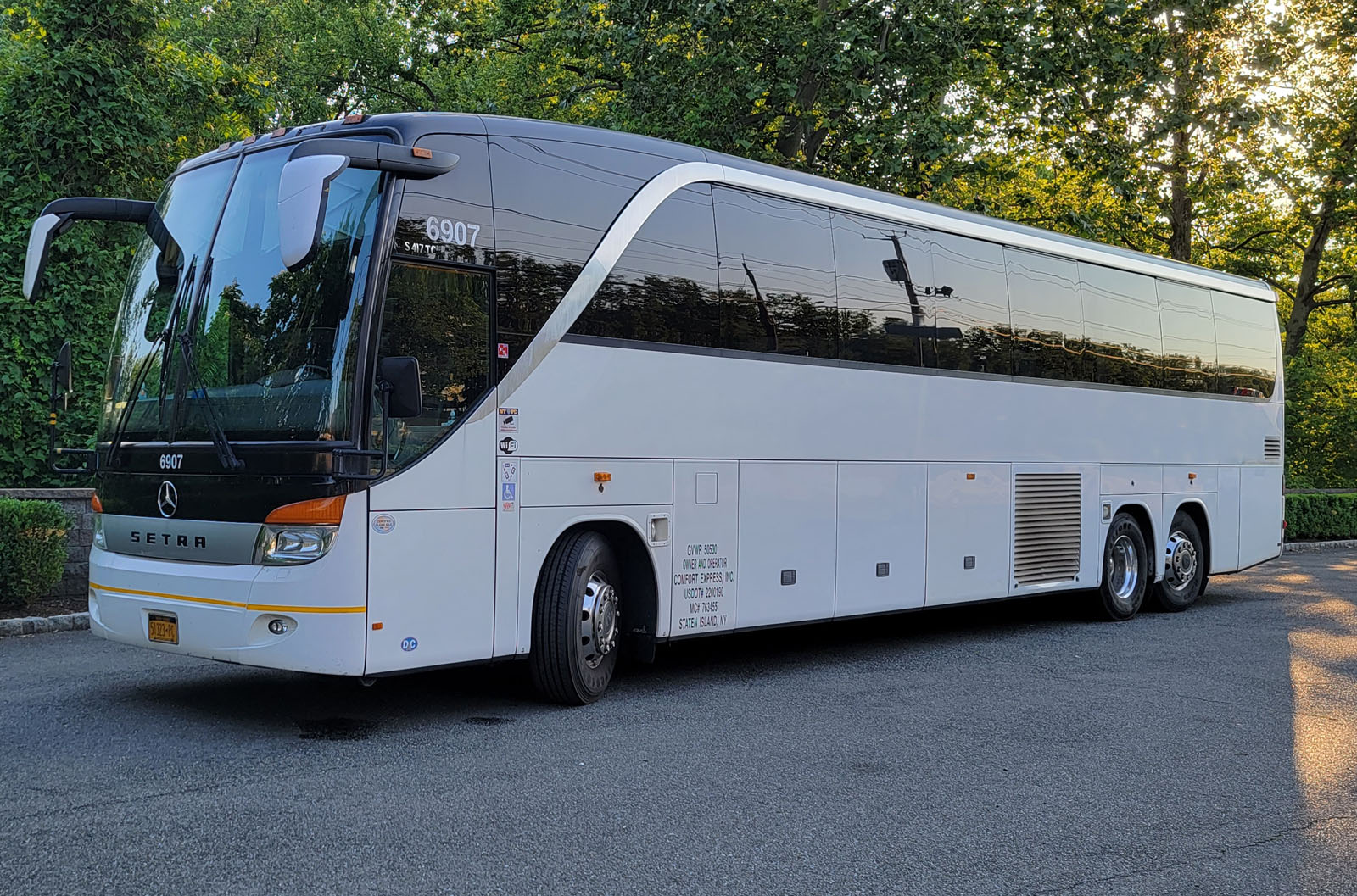
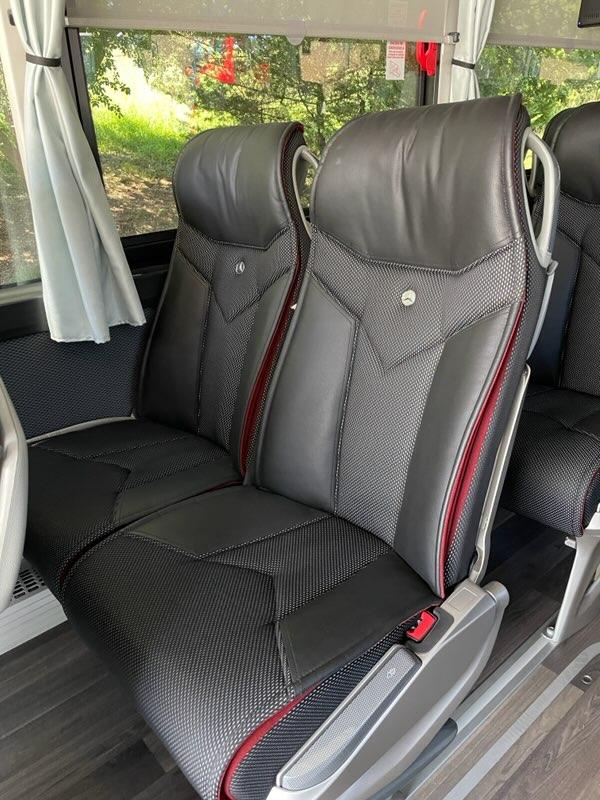
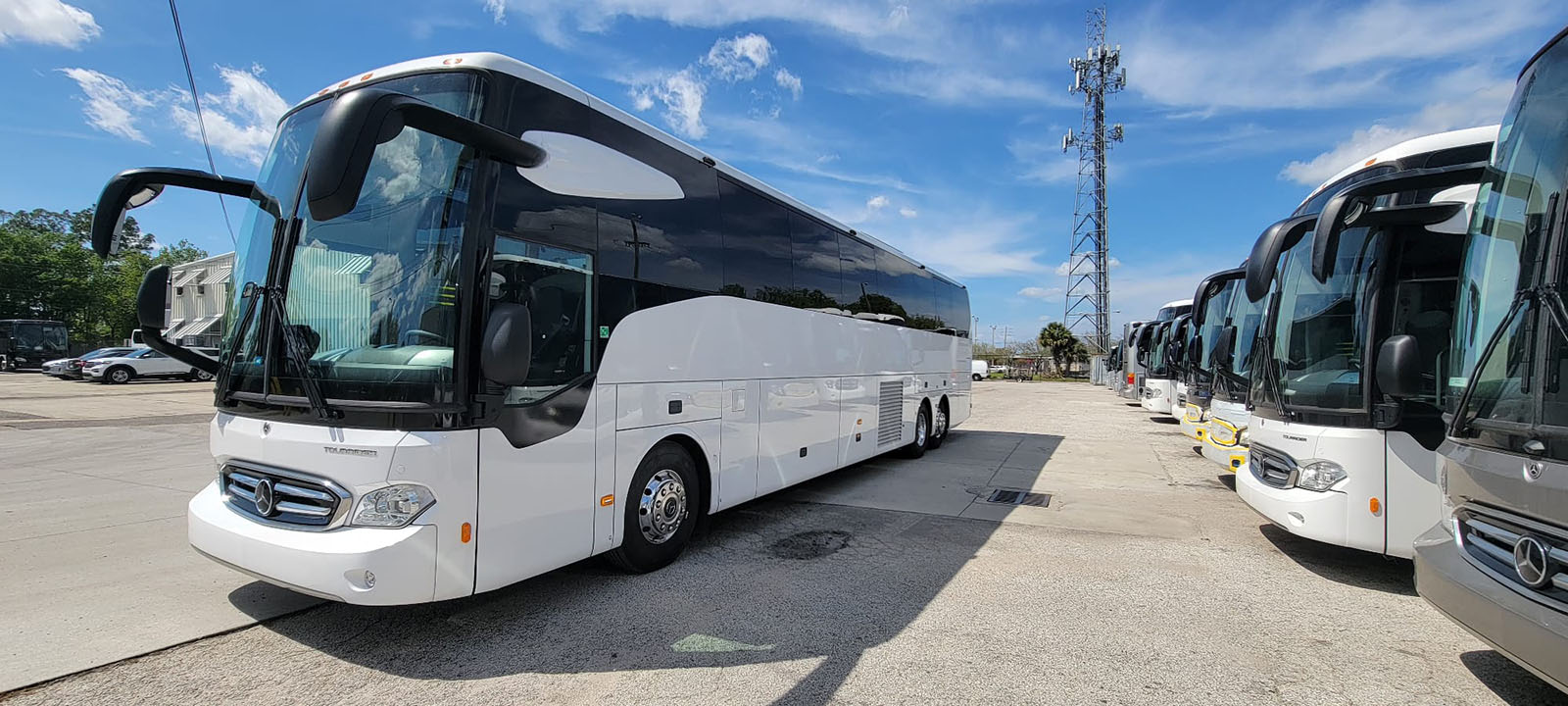
For those planning a group excursion to MOCA or any of New York City's myriad cultural gems, consider the unparalleled convenience and comfort of a dedicated charter bus. Streamline your travel logistics and enhance the collective experience for your entire party. Discover flexible options tailored to your group size and itinerary by visiting Bus Rental.
A deeper dive into cultural preservation and activism
MOCA uniquely highlights the ongoing efforts to preserve Chinese American cultural heritage. Through dedicated sections, visitors can learn about traditional festivals, culinary traditions, linguistic diversity, and the ways these elements have been maintained, adapted, and celebrated across generations. The museum doesn't shy away from presenting the challenges of cultural assimilation versus preservation, offering a nuanced perspective on what it means to be Chinese American in a multicultural society. This focus on living culture ensures that the museum is not just looking back but also engaging with the present and shaping the future.
Furthermore, the museum provides compelling insights into the history of Chinese American activism and advocacy. Exhibitions explore key moments where the community organized to fight discrimination, demand civil rights, and assert their place in American society. These narratives inspire by demonstrating the power of collective action and the unwavering pursuit of justice, offering valuable lessons for understanding contemporary social movements. The documentation of these struggles and victories serves as a powerful reminder of the continuous effort required to achieve equality and recognition for all communities.
Practical planning for your visit
To fully appreciate the depth and breadth of MOCA’s offerings, planning your visit in advance is recommended. The museum hosts various public programs, film screenings, workshops, and family days that complement its exhibitions. Checking their official website for current exhibitions and event schedules will help tailor your experience to your interests, ensuring you make the most of your time within this enriching cultural institution.
Approximate admission prices
Please note that prices are subject to change, and it is always advisable to check the official MOCA website for the most current information, special exhibitions pricing, and potential free admission days or hours.
| Category | Price |
|---|---|
| General admission (adults) | $12 |
| Seniors (65+) | $8 |
| Students (with valid ID) | $8 |
| Children (ages 0-11) | Free |
| MOCA members | Free |
| Community members (NYCHA residents, SNAP EBT cardholders) | Free |
| First responders, active military, veterans | Free |
Getting to moca from the city center
The Museum of Chinese in America is conveniently located in the heart of Chinatown, Manhattan, making it easily accessible from various parts of New York City. From a central point like Midtown Manhattan, several public transportation options will bring you directly to the museum’s vicinity, allowing for a seamless journey to your cultural exploration.
By subway
- Take the N, Q, R, W, J, Z, or 6 trains to the Canal Street station. From the Canal Street station, MOCA is just a short walk, typically less than 5-10 minutes. The museum is located near the intersection of Centre Street and Grand Street.
- Alternatively, you can take the B or D trains to Grand Street. This station is often even closer, placing you within a few blocks walk of the museum, generally heading west towards Centre Street.
By bus
- Several MTA bus lines serve the Chinatown area. The M55, M103, M15, M9, M22 all have stops within easy walking distance of the museum. Consult an MTA bus map or a real-time transit app to find the most direct route from your specific starting point in Midtown or other parts of the city.
Walking or taxi/rideshare
If you are exploring Lower Manhattan, MOCA is a pleasant walk from neighborhoods like Tribeca, SoHo, and the Financial District. A taxi or rideshare service will also provide direct transportation, simply inputting the museum’s address, which is typically 215 Centre Street. The journey time from Midtown by taxi or rideshare can vary significantly depending on traffic but generally ranges from 15 to 30 minutes.
Regardless of your chosen mode of transport, the journey to MOCA offers a prelude to the museum itself, as you pass through the bustling streets of Chinatown, absorbing its vibrant atmosphere and diverse offerings. This cultural immersion begins even before you step through the museum’s doors, enriching the overall experience of learning about the significant contributions and enduring spirit of Chinese Americans.
Typical bus rental prices:
| Bus Type | Per Hour | Per Day |
|---|---|---|
| 56-Passenger | $165 – $200 | $1,450 – $1,950 |
| Luxury Van | $100 – $125 min 6 hours | $1,100 – $1,250 10 hours |
Frequently Asked Questions
What is the Museum of Chinese in America (MOCA)?
What happened to MOCA's original building and collection?
How can I get to MOCA using public transportation?
Does MOCA have a gift shop?
Is MOCA suitable for children and families?
What kind of exhibits can I expect to see at MOCA?
What is the admission fee for MOCA?
What are MOCA's operating hours?
Where is MOCA located?
Does MOCA offer educational programs or guided tours?
Read Also

OUR FLEET
Our Buses
Explore our modern, comfortable and well-maintained charter bus fleet.