Fulton Center
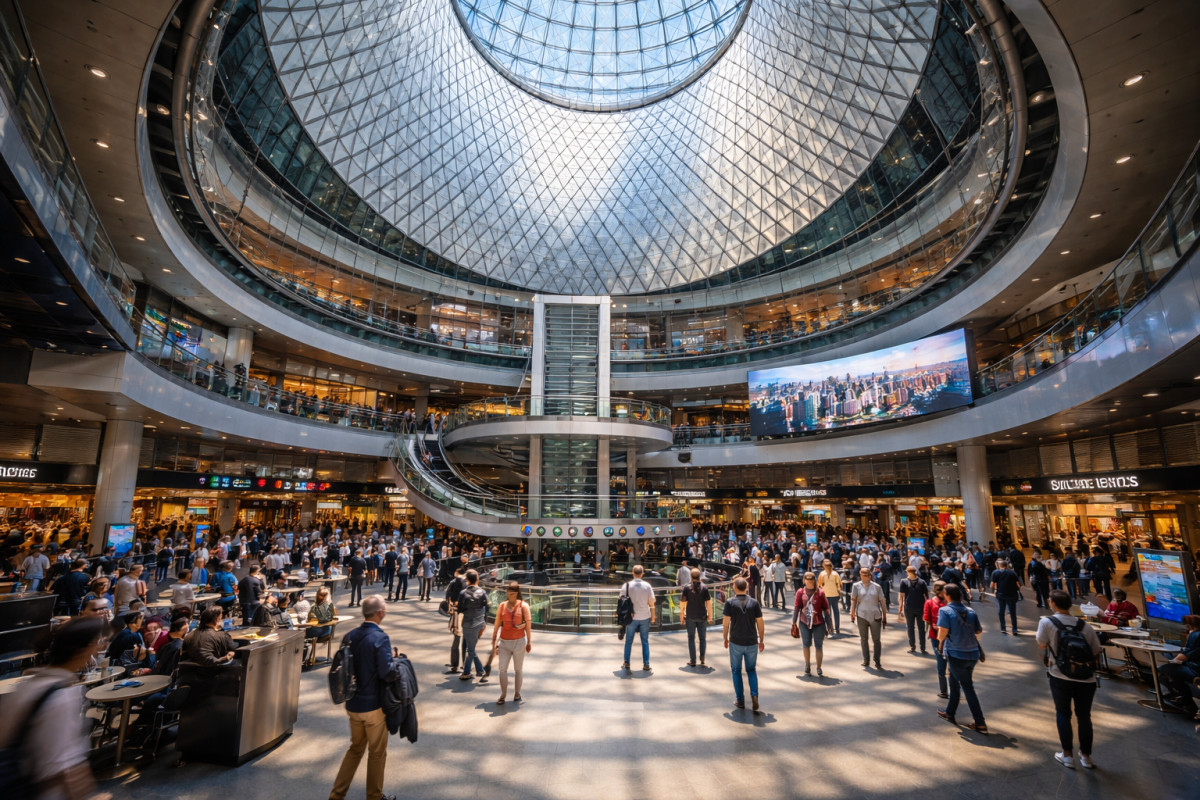
Fulton Center, a beacon of urban connectivity
The Fulton Center emerges as a pivotal architectural statement in Lower Manhattan, transcending its primary function as a transportation hub to become a dynamic civic space and a testament to modern urban design. More than just a junction for multiple subway lines, it stands as an experience in itself, captivating visitors with its luminous core and intricate structural elegance. It’s a place where the ceaseless rhythm of New York City converges with moments of architectural serenity, offering a unique perspective on the urban transit experience.
Its design philosophy centers on maximizing natural light and creating a seamless flow for millions of daily commuters and visitors. This vision materializes through a remarkable blend of advanced engineering and aesthetic grace. The building's striking presence is defined by its innovative use of materials and a daring approach to integrating a complex network of transit lines beneath a shimmering canopy. The result is an environment that feels expansive and inviting, starkly contrasting with the traditional perception of subterranean transit hubs.
Architectural ingenuity revealed
At the heart of Fulton Center’s appeal is its extraordinary architectural design. The structure is a masterclass in blending form and function, creating an environment that is both highly efficient for transit and visually spectacular. The use of glass, steel, and advanced lighting systems transforms what could be a purely utilitarian space into an uplifting public amenity. Every angle reveals a thoughtful consideration for how light interacts with structure, influencing the mood and navigability of the space.
The oculus's dazzling design
The crown jewel of the Fulton Center is undoubtedly the "Oculus" – a conical, glass-and-steel skylight that funnels abundant natural light down through the various levels of the station. This central element is not merely a skylight; it is an architectural event. Its spiraling form draws the eye upward, creating a sensation of soaring height and openness, even deep within the urban fabric. The Oculus acts as the building’s circulatory and sensory core, guiding light and perspective throughout the complex. It is a constant reminder of the sky above, linking the subterranean world of transit to the expansive New York heavens.
Beneath the Oculus, suspended like a delicate cosmic web, is the "Sky Reflector-Net" artwork by James Carpenter Design Associates with Grimshaw Architects and Arup. This meticulously engineered installation is composed of hundreds of aluminum panels and cables that further diffuse and redirect natural light. It transforms the raw sunlight into a softer, more pervasive glow, creating an ethereal atmosphere that shifts subtly with the time of day and the changing weather. This artistic integration into the core structure amplifies the building’s inherent beauty, making every visit a fresh visual discovery.
“Fulton Center redefines the experience of public transit, turning a functional space into an architectural spectacle of light and movement.”
The interplay of light and shadow is a dynamic feature, constantly evolving as the sun moves across the sky. In the morning, beams of direct light might pierce through, creating sharp, dramatic patterns on the polished floors. By afternoon, the light mellows, bathing the space in a warm, inviting glow. This living light display ensures that the atmosphere within the center is never static, providing a unique visual experience with each visit.
Connectivity and urban integration
Fulton Center’s operational brilliance lies in its seamless integration of nine subway lines and connections to the PATH train, making it one of the most significant multimodal transit hubs in the city. It acts as a grand conduit, funneling passengers between the A, C, J, Z, 2, 3, 4, 5, R, and W trains, and providing a direct, weather-protected link to the World Trade Center Transportation Hub and Brookfield Place.
Unifying diverse transit lines
The design effectively consolidates disparate subway entrances and platforms into a cohesive, easily navigable complex. Before Fulton Center, transferring between lines in this area often involved navigating multiple street crossings and less intuitive pathways. Now, a series of escalators, elevators, and wide corridors ensure that transfers are efficient and comfortable, significantly enhancing the commuter experience. The clear signage and open sightlines further contribute to an intuitive navigation flow, reducing the stress typically associated with bustling urban transit hubs.
Beyond its internal transit connections, Fulton Center is strategically positioned to serve as a gateway to various downtown attractions. Its direct link to the World Trade Center complex means easy access to the 9/11 Memorial & Museum, One World Observatory, and the extensive retail offerings at Westfield World Trade Center. This makes Fulton Center not just a place to pass through, but a launchpad for exploring one of New York City’s most historically significant and rapidly evolving neighborhoods.
A vibrant retail and dining destination
While primarily a transit hub, Fulton Center also offers a curated selection of retail and dining options, catering to both the commuter in a hurry and the visitor looking to linger. The retail spaces are thoughtfully integrated into the building’s design, maintaining the open and airy aesthetic while providing convenient services.
Diverse offerings for every need
The ground level and mezzanine areas host a variety of establishments, from quick-service eateries and coffee shops perfect for a morning commute, to more specialized retailers. This blend ensures that whether you’re seeking a quick snack, a forgotten essential, or simply a moment to relax with a beverage, Fulton Center has options. The focus is on convenience and quality, reflecting the dynamic lifestyle of downtown Manhattan.
“The blend of efficient transit and thoughtful retail elevates Fulton Center from a station to a destination, enriching the urban experience.”
The strategic placement of these amenities means that passengers can effortlessly grab a coffee or a bite before or after their train journey, without having to leave the comfort and warmth of the magnificent structure. It adds another layer of utility and appeal to an already impressive architectural feat.
Planning a Group Outing to NYC's Iconic Landmarks?
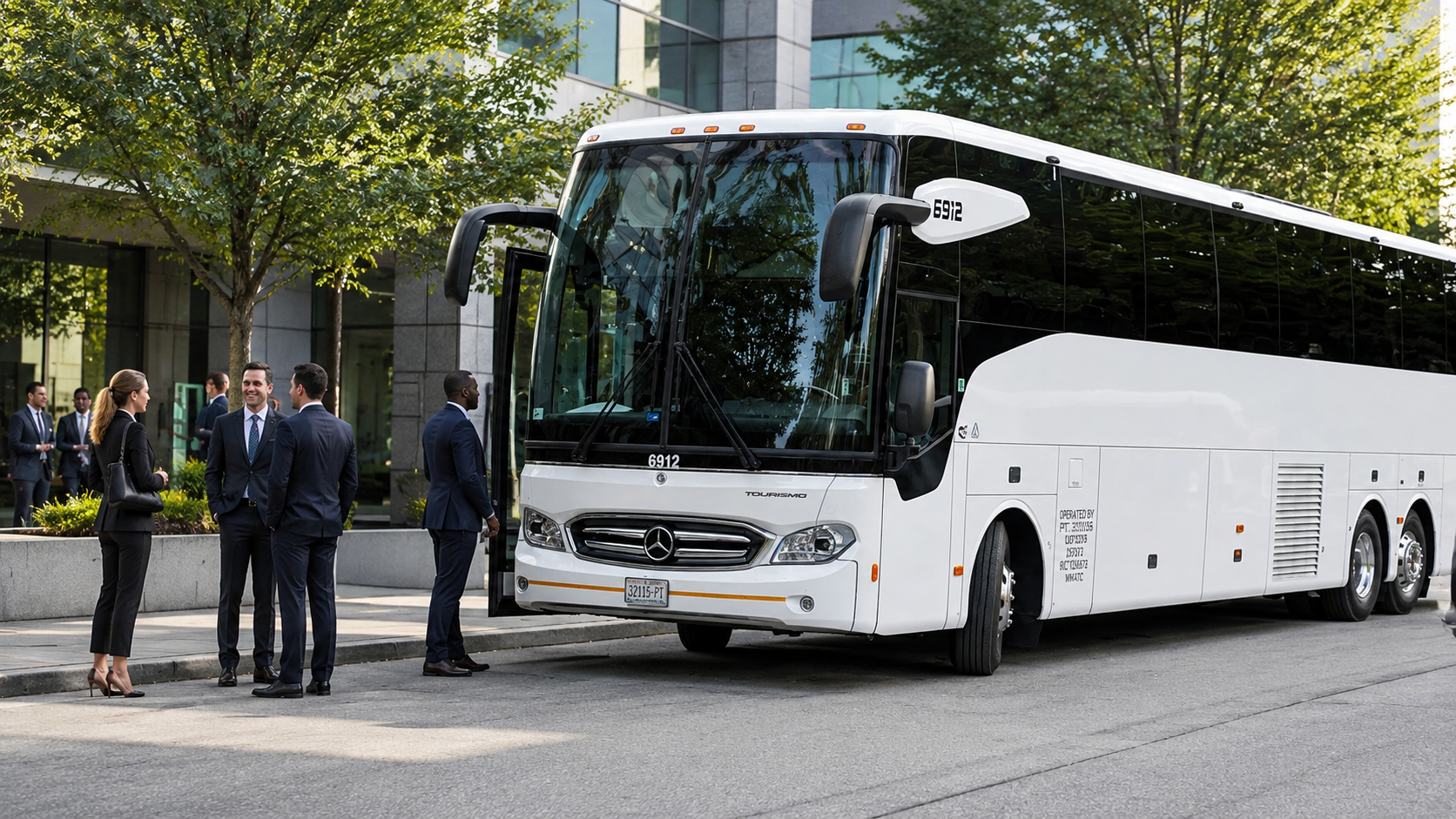
Discover the convenience and comfort of group travel with our premium bus rental services. Whether it's a corporate event, a school trip, or a family reunion exploring the wonders of New York City, we ensure a smooth, enjoyable journey for everyone. Travel together, arrive together, and make unforgettable memories.
Bus Rental in NYC
What to experience at Fulton Center
For first-time visitors and seasoned New Yorkers alike, Fulton Center offers several captivating sights and experiences beyond just catching a train. Its status as an architectural landmark means there’s much to appreciate visually and experientially.
A visual journey through light and structure
- The Oculus from ground level
Stand directly beneath the Sky Reflector-Net and gaze upward. The intricate geometry and the play of light are truly mesmerizing, providing a sense of scale and wonder.
- Upper-level viewing platforms
Ascend to the higher floors via escalators for different perspectives of the Oculus and the main concourse. From these vantage points, the entire volume of the space unfolds, showcasing the building’s impressive engineering and the choreographed movement of people below.
- The Sky Reflector-Net
Take time to observe the details of this artistic installation. Its reflective surfaces and intricate cabling are a work of art in themselves, constantly manipulating the incoming natural light.
- Dynamic light patterns
Visit at different times of the day to witness the shifting light and shadow effects. Morning light creates sharp contrasts, while afternoon sun casts a softer, more diffused glow throughout the station.
- Architectural lines and reflections
Pay attention to how the polished surfaces and glass walls reflect the surrounding structures and the movement of people, creating a dynamic, almost kaleidoscopic environment.
- Retail and dining environment
Explore the retail offerings and grab a coffee or a snack. The integration of these services within such a grand architectural space offers a unique urban experience.
- Connecting pathways
Experience the seamless transitions to other major hubs like the World Trade Center Transportation Hub. These interconnected passages demonstrate the center's role as a vital link in downtown's pedestrian network.
Getting to Fulton Center from city center
Reaching Fulton Center from Midtown Manhattan, often considered the "city center," is straightforward and efficient thanks to New York City's extensive subway system. The center itself is a nexus for numerous subway lines, making it highly accessible.
Public transit options
- From Midtown West (e.g., Times Square, Port Authority):
- Take the A or C train downtown (southbound) to the Fulton Street station.
- Alternatively, take the 2 or 3 train downtown (southbound) to the Fulton Street station.
- From Midtown East (e.g., Grand Central, Rockefeller Center):
- Take the 4 or 5 train downtown (southbound) to the Fulton Street station.
- Alternatively, take the J or Z train downtown (southbound) to the Fulton Street station.
- From Union Square:
- Take the 4, 5, R, or W train downtown (southbound) to the Fulton Street station.
Regardless of your starting point in Midtown, aim for any train that directly stops at "Fulton Street." The Fulton Center building is designed to integrate directly with these subway platforms, so once you exit the train, you are already within the complex. Simply follow the clear signage to navigate through the various levels and exits, or to access the main concourse beneath the Oculus.
The journey from Midtown typically takes between 15 to 25 minutes, depending on the specific line and your exact starting point. It’s a convenient and visually engaging trip that places you directly into one of downtown Manhattan's most impressive modern structures.
Read Also




OUR FLEET
Our Buses
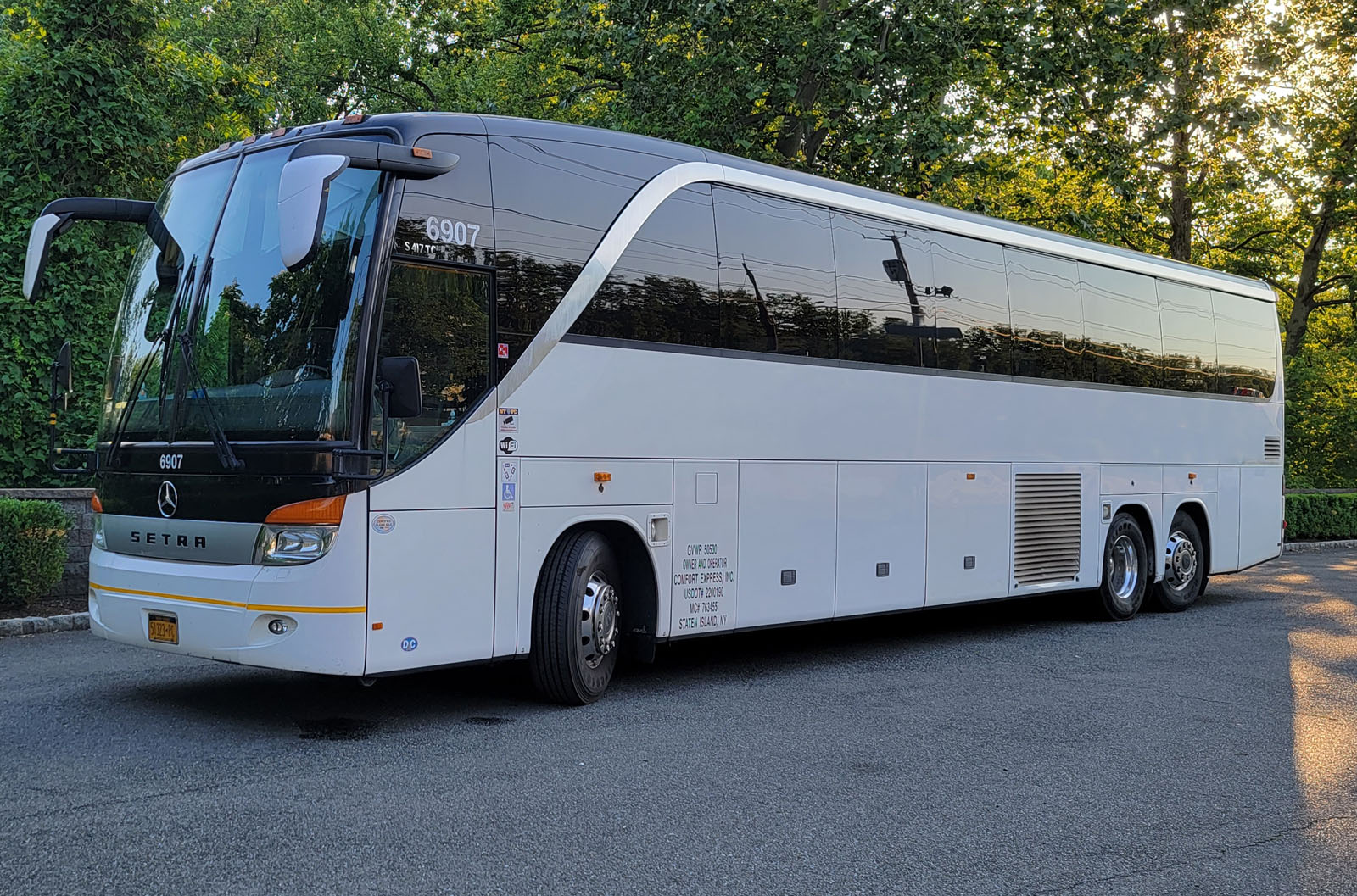
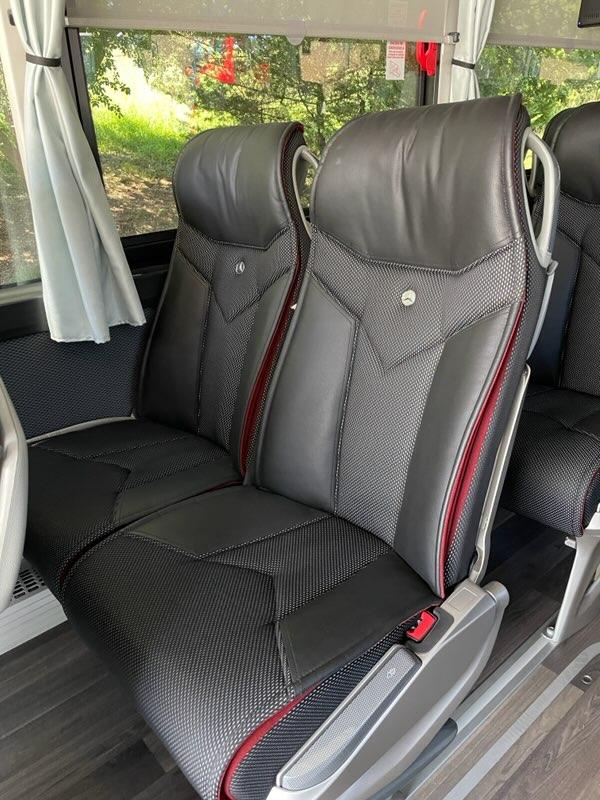
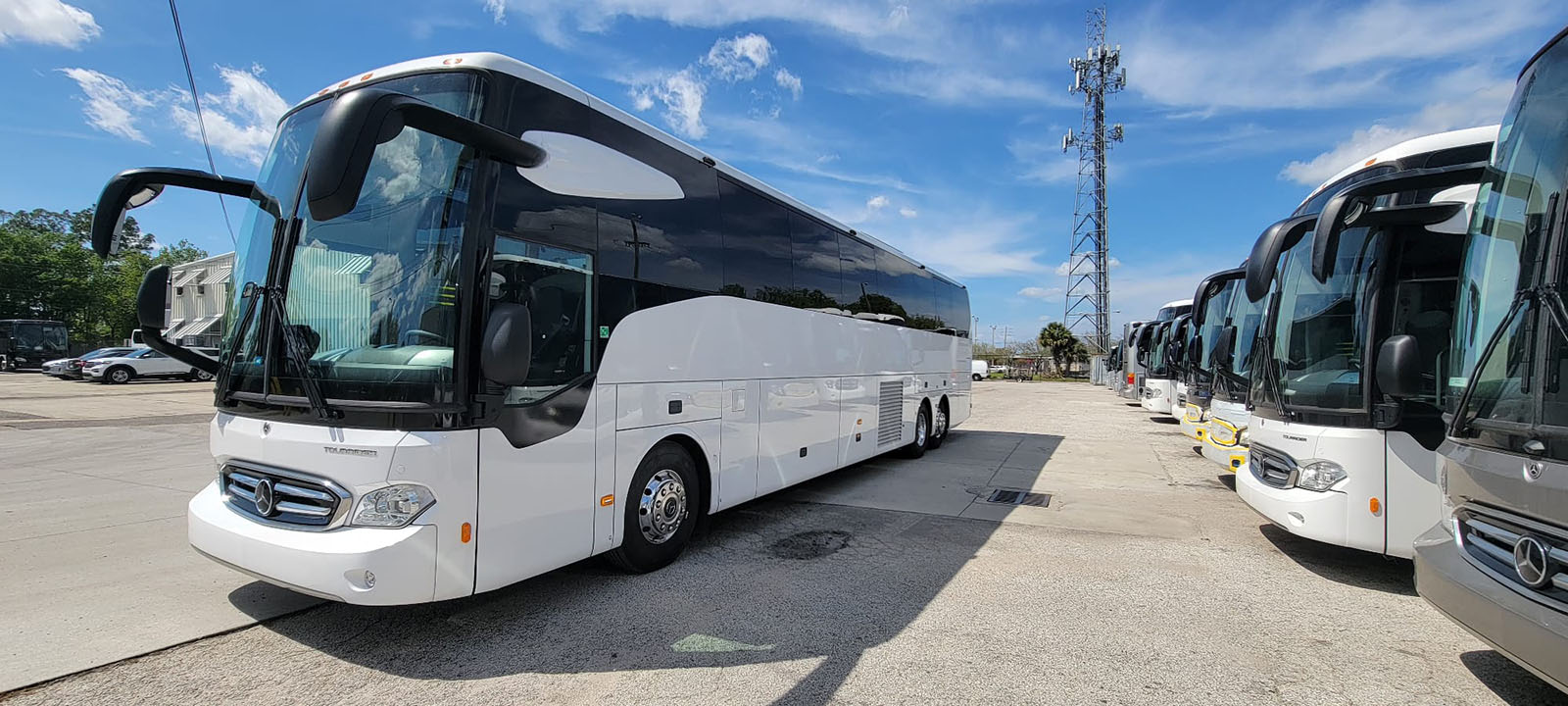
Explore our modern, comfortable and well-maintained charter bus fleet.